


Exploring Well-Received Enclosures for Different Companion Animals
Selecting a Small Animal Fence can feel overwhelming given the variety of products available. Focusing on solutions that have garnered positive feedback from users for specific animal types can help narrow the field.
Enclosures Designed for Feline Security and Enjoyment
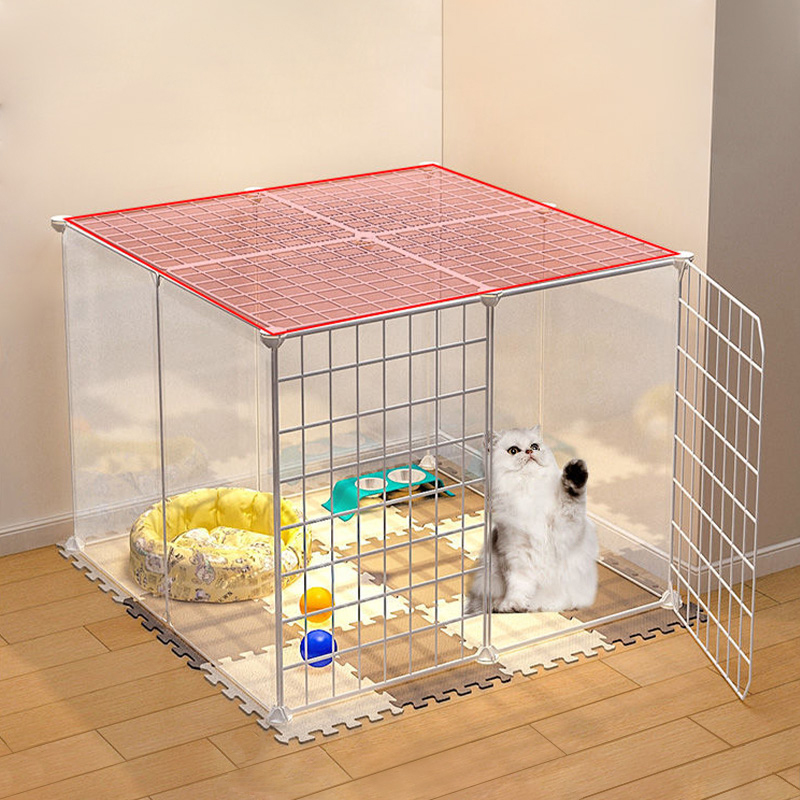
For cat owners, containment solutions often need to address a talent for climbing and jumping. Enclosed patio structures, commonly known as “catios,” receive consistent appreciation for allowing cats to experience the outdoors safely. These are often framed structures clad in wire mesh that include shelves, perches, and spaces to lounge. For modifying existing yards, flexible mesh barriers that can be attached to the top of fences to create an inward-facing overhang are noted for their ability to deter escape. Features that stand out in user accounts include sturdy mesh that resists clawing, secure door latches, and designs that integrate climbing elements to keep cats engaged within the space.
Sturdy Setups for Rabbits and Garden Protection
For rabbit owners and gardeners seeking to protect plants, feedback frequently highlights the importance of a two-part defense: a robust barrier above ground and a reliable one below. Enclosure kits and materials that incorporate a strong-gauge welded wire with a small grid pattern (such as 1/2 inch by 1 inch) are often mentioned as successful in preventing animals from squeezing through or damaging the barrier. Furthermore, solutions that explicitly include a method for securing the fence’s bottom edge against digging—whether through a built-in horizontal apron, attachable skirting, or instructions for burying—are regularly cited as more effective than those without. Durability of the metal against weathering is another point of consideration in user impressions.
Secure Spaces for Small Canine Companions
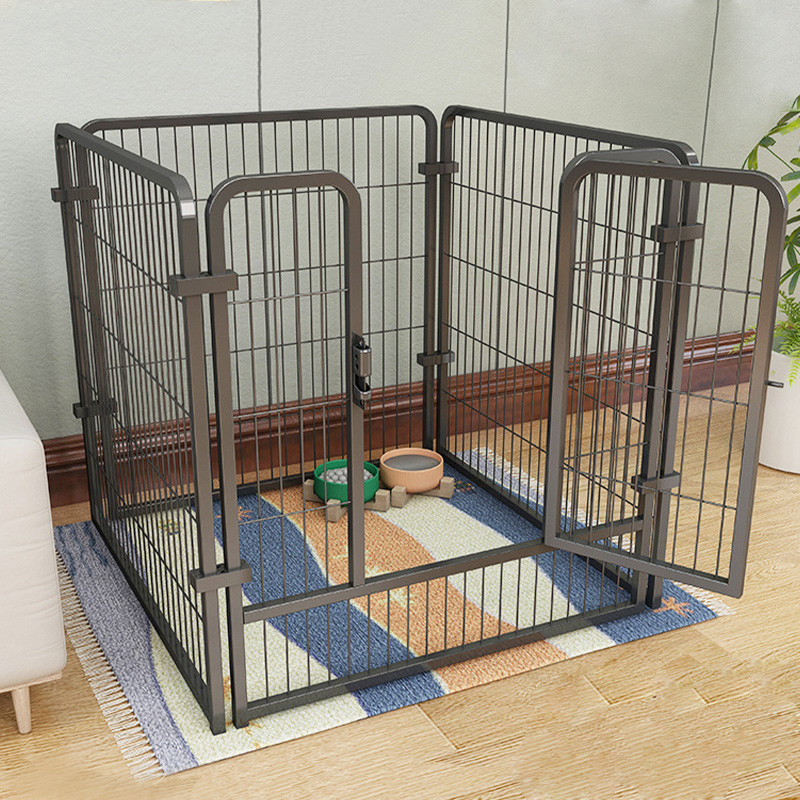
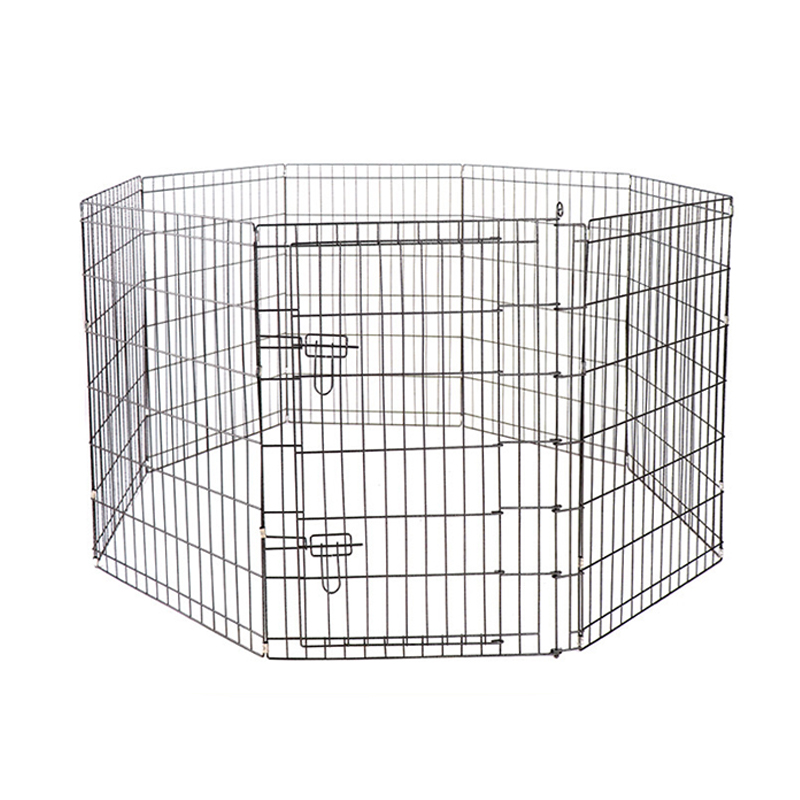
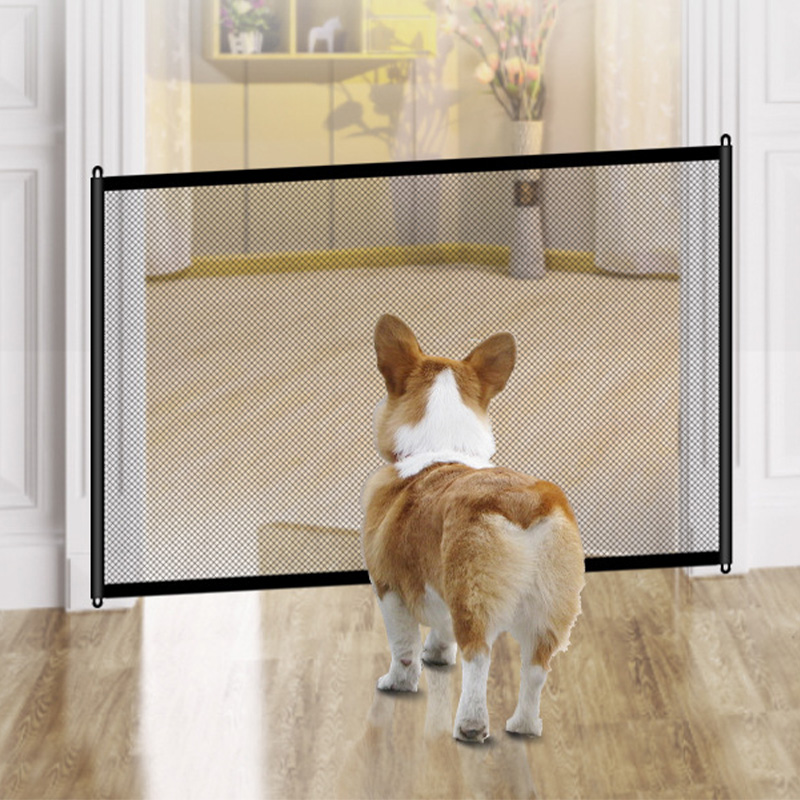
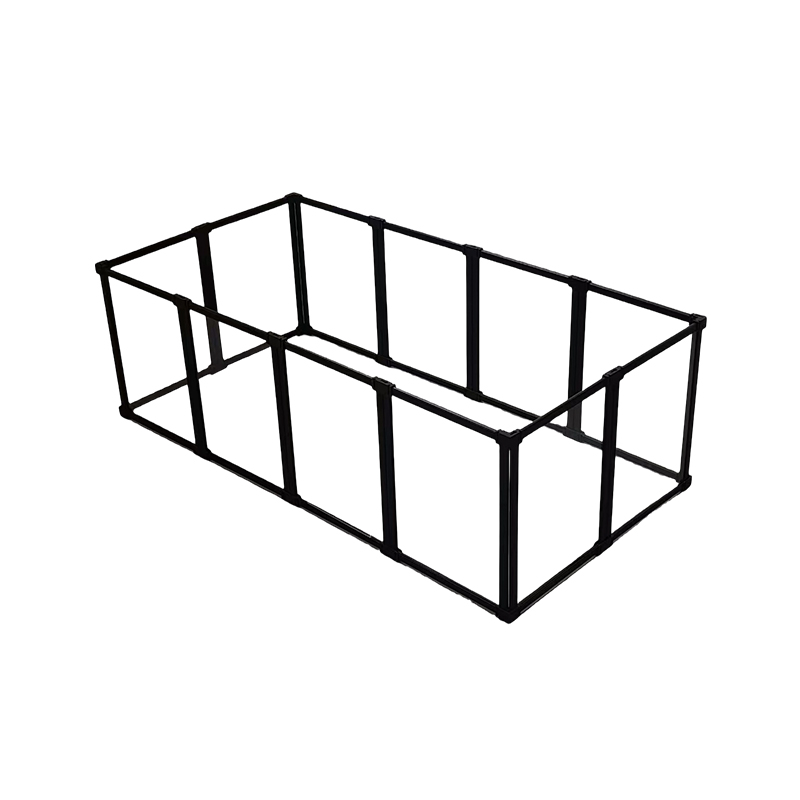
When it comes to small dogs, user impressions often center on stability, height, and the security of gates. Freestanding outdoor playpens made from connected wire panels are commonly discussed for their versatility and solid construction, with a focus on how well the panels lock together and resist being pushed over by an energetic dog. For more permanent installations, fences with closely spaced pickets or solid panels that prevent dogs from slipping through are noted. In accounts from owners, the reliability of the gate latch mechanism is repeatedly emphasized, as is the overall height of the fence relative to their dog’s size and jumping behavior, ensuring the dog remains safely within the boundaries.
Balancing Features with Practical Needs
Across all these animal types, common themes in positive user accounts extend beyond the basic function of containment. Ease of assembly, the clarity of instructions, and the overall sturdiness of the finished product are regularly commented on. For many, a successful product provides a clear sense of security, is constructed from materials that hold up in their local climate, and offers a design that suits their specific layout needs. Observing which features are consistently praised for each animal type—such as anti-digging for rabbits, anti-climbing for cats, and overall stability for dogs—provides a useful framework for evaluating which enclosure solution might align with a particular situation.