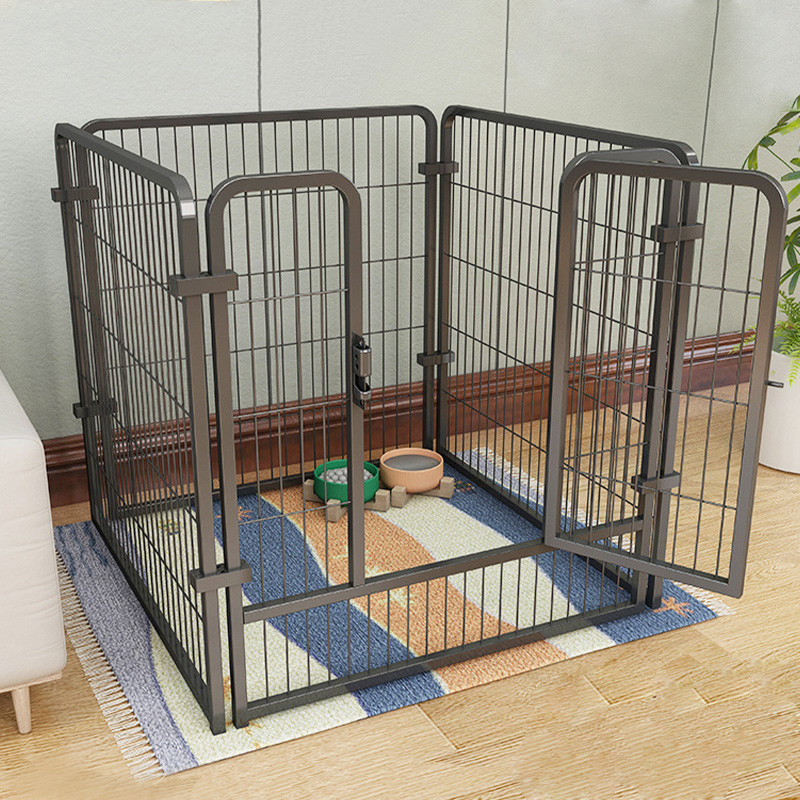



Creating a well-organized home environment for pets has become an important topic for many households. As pets spend more time indoors and around shared living spaces, Pet Fence systems are increasingly discussed as practical tools for guiding movement and reducing everyday risks. Whether caring for energetic dogs or smaller companions, structured containment can help balance freedom and safety within the home.
Understanding Modern Pet Management Needs
Modern homes often include multiple rooms, open layouts, and mixed-use spaces that pets can easily access. While this openness supports comfort, it may also expose animals to unsafe areas such as kitchens, storage rooms, or stairways. Managing these environments requires thoughtful solutions that guide pets without constant supervision.
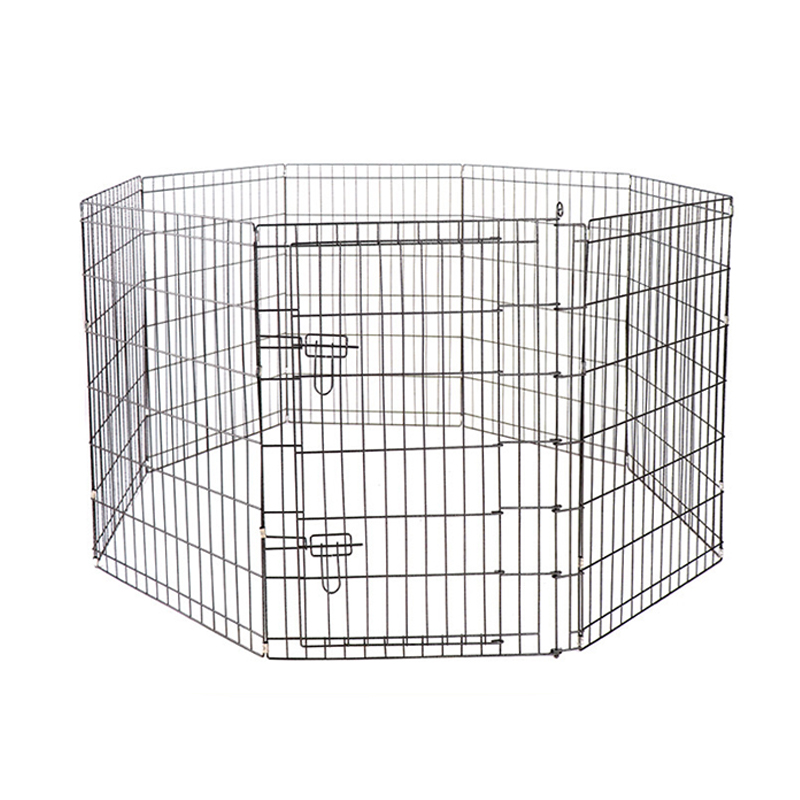
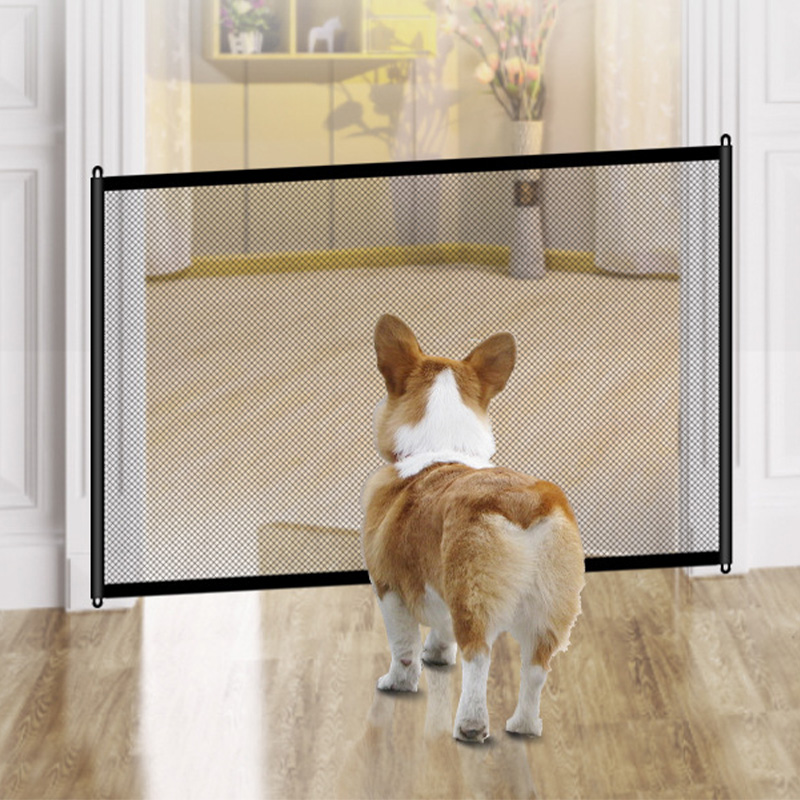
A Pet Fence can help define boundaries clearly and consistently. Unlike permanent barriers, many fence solutions are adaptable, allowing pet owners to respond to changing routines, training stages, or household layouts.
Types of Pet Fence Solutions for Home Use
Indoor pet containment generally falls into two broad categories: physical barriers and signal-based systems. Physical fences rely on panels, gates, or enclosures that create visible limits. These are often preferred for small pets or households that value visual clarity.
Signal-based systems rely on designated zones and wearable components. While these systems are more commonly discussed for outdoor use, some households explore them for interior layouts as well. The choice often depends on the pet’s size, behavior, and familiarity with training routines.
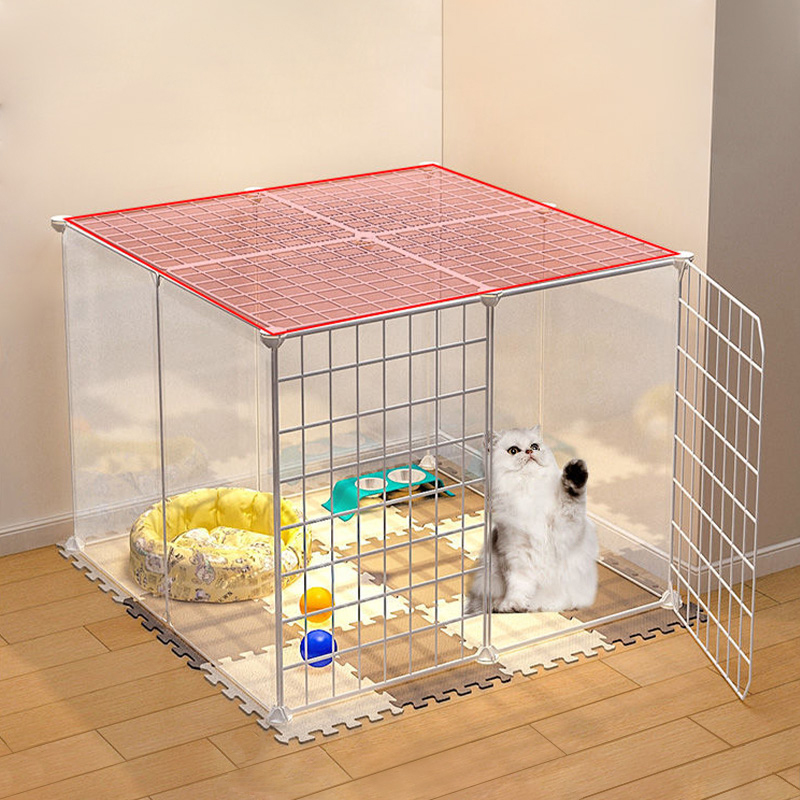
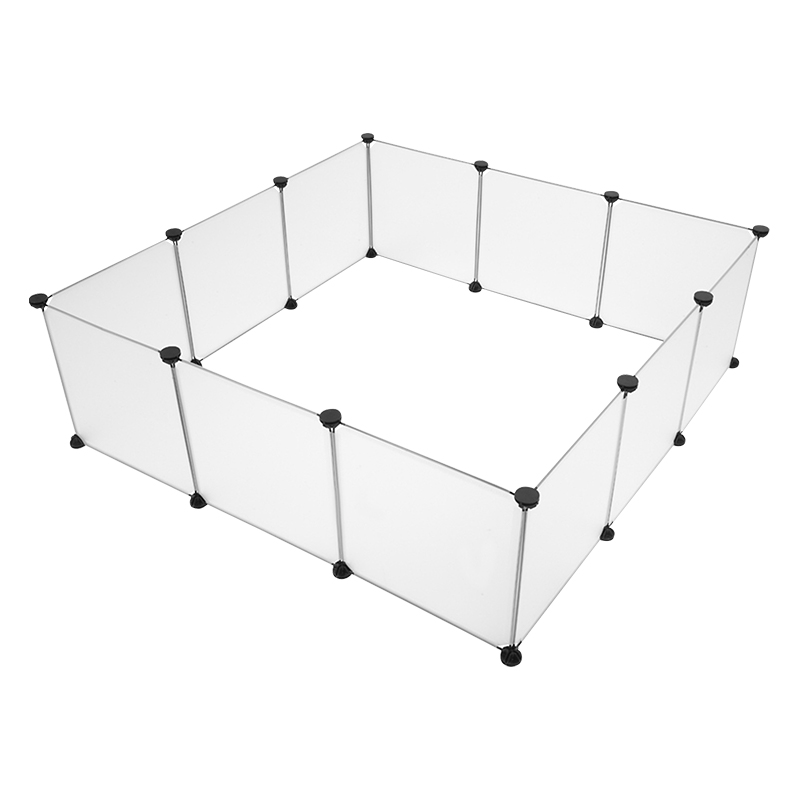
In many homes, a Small Animal Fence is used alongside other containment tools to create calm areas for rabbits, kittens, or other compact pets. These fences are typically lightweight, movable, and easy to adjust as needed.
Safety Considerations for Different Pets
Not all pets respond to boundaries in the same way. Dogs may test limits through jumping or pushing, while small animals often explore gaps or corners. Choosing the right fence solution requires attention to height, spacing, and stability.
Small Animal Fence designs often focus on preventing squeezing or climbing, which is essential for pets that are curious and agile. Smooth surfaces, rounded edges, and clear visibility can help reduce stress and accidental injury.
Pet owners also consider how fences interact with daily activities. Feeding, cleaning, and playtime should remain accessible without causing confusion or frustration for animals.
Using Small Animal Fence in Shared Living Spaces
In shared households, pets often need defined zones that separate rest, play, and interaction. A Small Animal Fence can help create peaceful enclosures without isolating pets completely. These fences are commonly placed in living rooms, spare rooms, or quiet corners where pets can relax while remaining visually connected to their surroundings.
Such setups are especially helpful for households with multiple pets of different sizes. Clear boundaries can reduce tension and encourage positive behavior through routine and structure.
Long-Term Benefits of Structured Pet Spaces
Consistent boundaries help pets learn expectations over time. Rather than reacting to verbal corrections, animals can rely on physical cues that remain in place throughout the day. This consistency supports calmer behavior and smoother integration into daily life.
By thoughtfully using Pet Fence solutions, households can create environments that feel organized, welcoming, and safe for both pets and people.