


Ensuring Ongoing Security Through Care and Attention
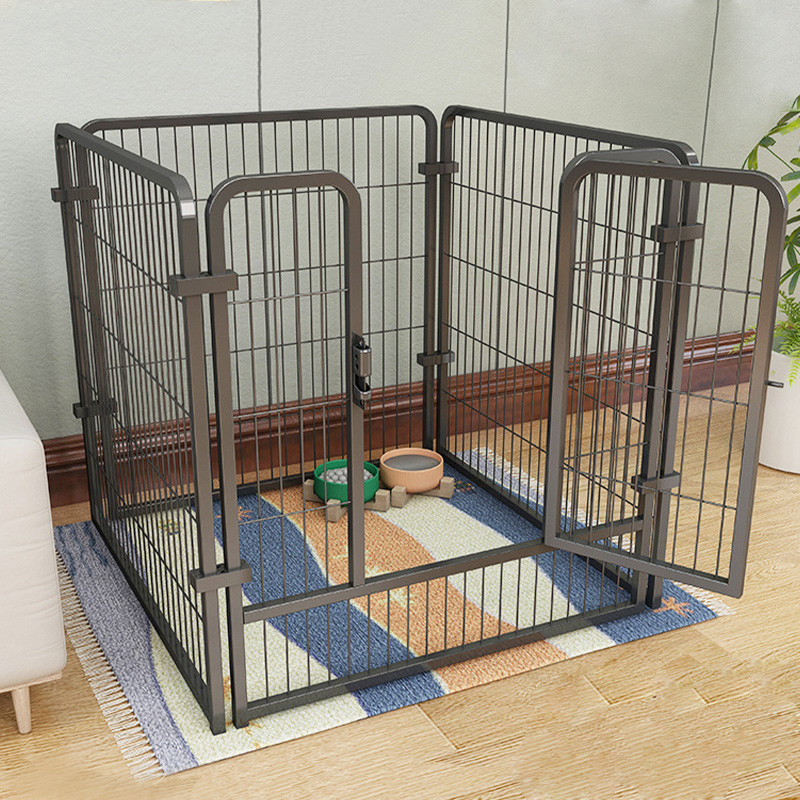
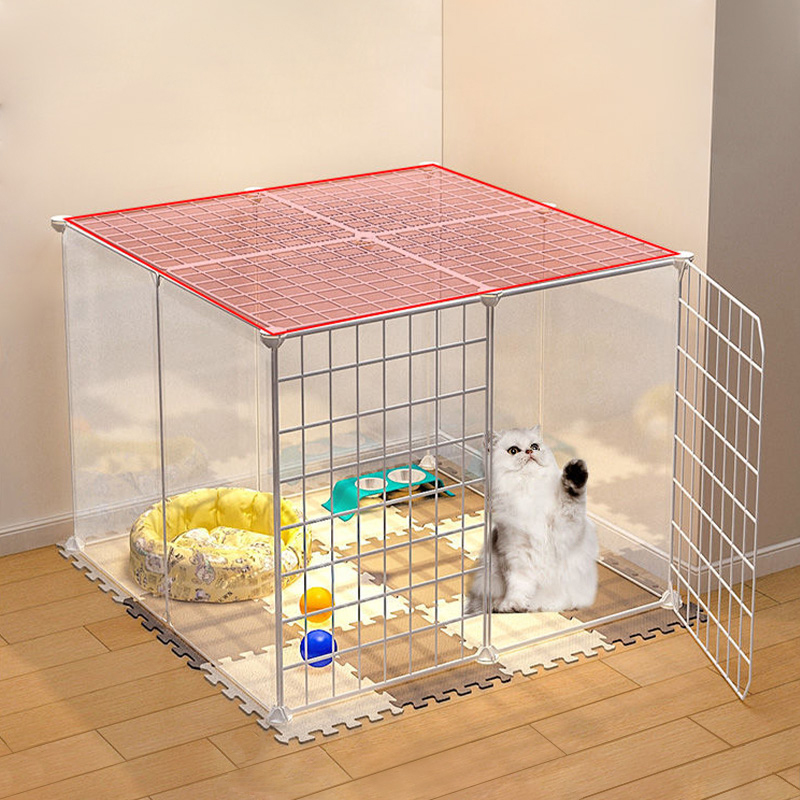
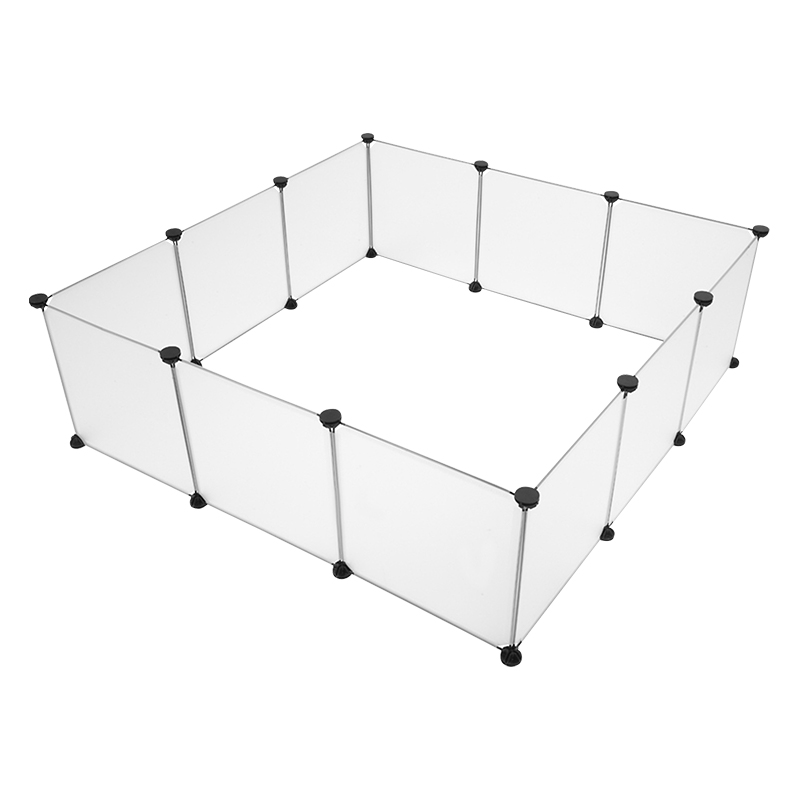
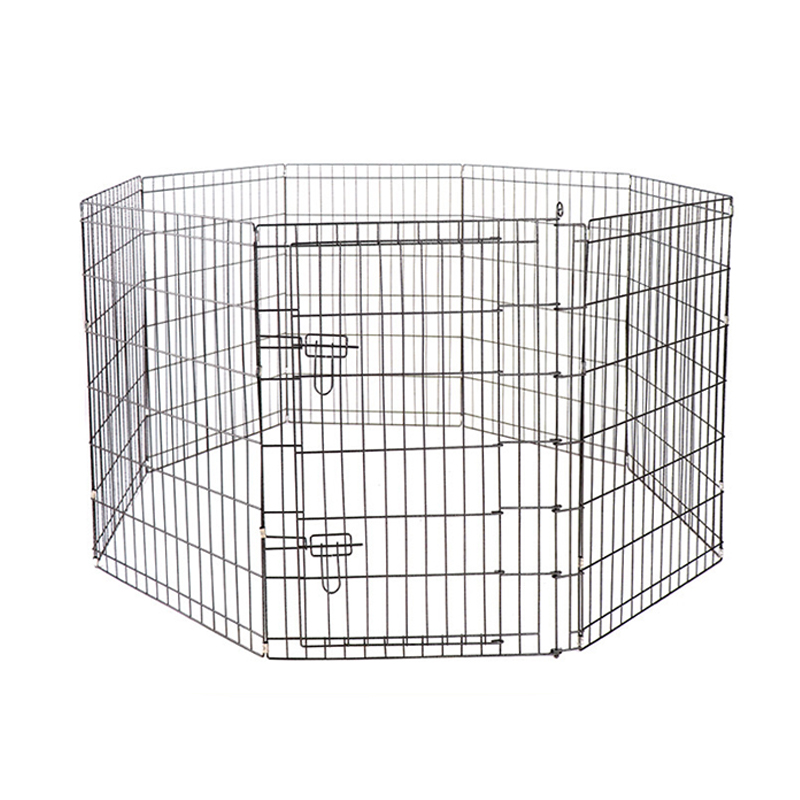
Installing a Small Animal Fence is a significant step toward creating a protected space, but its long-term reliability depends on consistent care and observation. A proactive approach to maintenance helps identify small issues before they become significant problems, ensuring the enclosure continues to function as intended. This advice covers essential practices for preserving the security and condition of your backyard fence throughout the years.
Foundational Checks Post-Installation
After the initial construction is complete, a methodical review is necessary. Inspect the base of the fence completely. Has the underground barrier (like an “L” apron) been covered securely without leaving gaps? Apply gentle pressure to various sections of the fence to check for wobbly posts or unexpected flexibility. Pay particular attention to the gate, operating it multiple times to ensure it swings smoothly without sagging and that the latch engages firmly every time. This initial audit establishes a baseline of how a secure, properly installed fence should look and feel.
Adapting Maintenance to the Seasons
A seasonal maintenance routine aligns care with changing environmental conditions. In spring, after the thaw, check for any damage caused by winter frost heave or fallen branches. Look for soil erosion around the base that might expose the bottom edge of the fence or its underground apron. During summer, fast plant growth can obscure and put pressure on fence lines; trim back any vines or shrubs. Heat can also cause materials to expand and contract, potentially loosening fasteners—a good time for tightening. Autumn involves clearing away fallen leaves and debris that can hold moisture against the fence and posts, promoting rot or rust. Before winter, ensure the structure is sound to handle wind, snow load, or animals seeking shelter.
Addressing Common Wear and Tear
Even with durable materials, normal wear will occur. For wooden fences, look for signs of splintering, cracking, or soft spots that indicate the beginning of rot. Small affected areas can often be scraped out, treated with a wood preservative, and sealed. On metal fences, any scratch or chip in a galvanized or painted coating can become a starting point for rust. Light surface rust can be addressed by scrubbing the area with a wire brush and applying a matching rust-inhibitive paint. Regularly check for any new holes, bent wires, or loose staples, especially in areas where animals frequently interact with the fence. Prompt repairs with matching materials prevent these small vulnerabilities from being exploited.
Knowing When to Upgrade or Reinforce
Over time, you may notice that animal behavior or environmental stresses are testing your fence in new ways. Perhaps a determined animal has started digging in a new spot, or a section of fence is showing consistent weakness. This may indicate a need for targeted reinforcement, such as adding a secondary layer of mesh, installing additional bracing for a post, or extending the underground barrier in a specific area. Observing how animals interact with the enclosure provides valuable clues about its remaining strong points and emerging weak spots, guiding sensible and effective upgrades that extend the enclosure’s functional life.