


Selecting Components That Stand the Test of Time and Weather
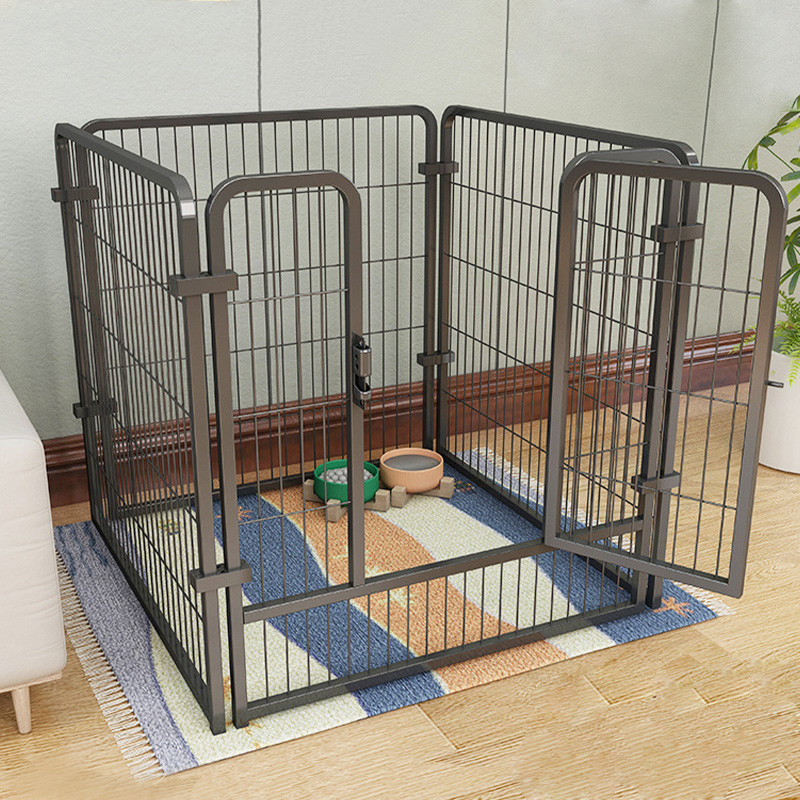
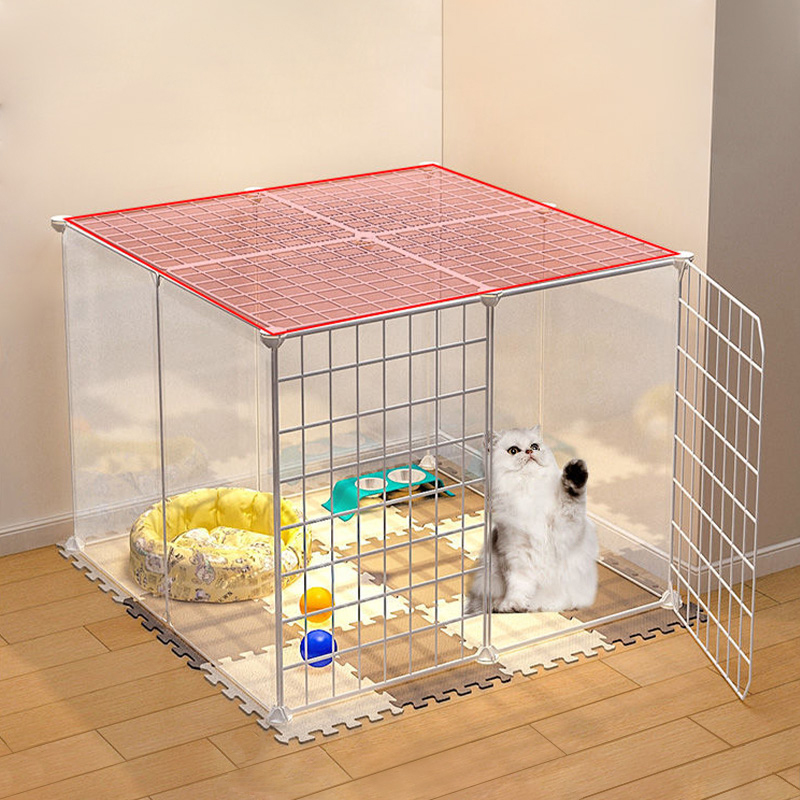
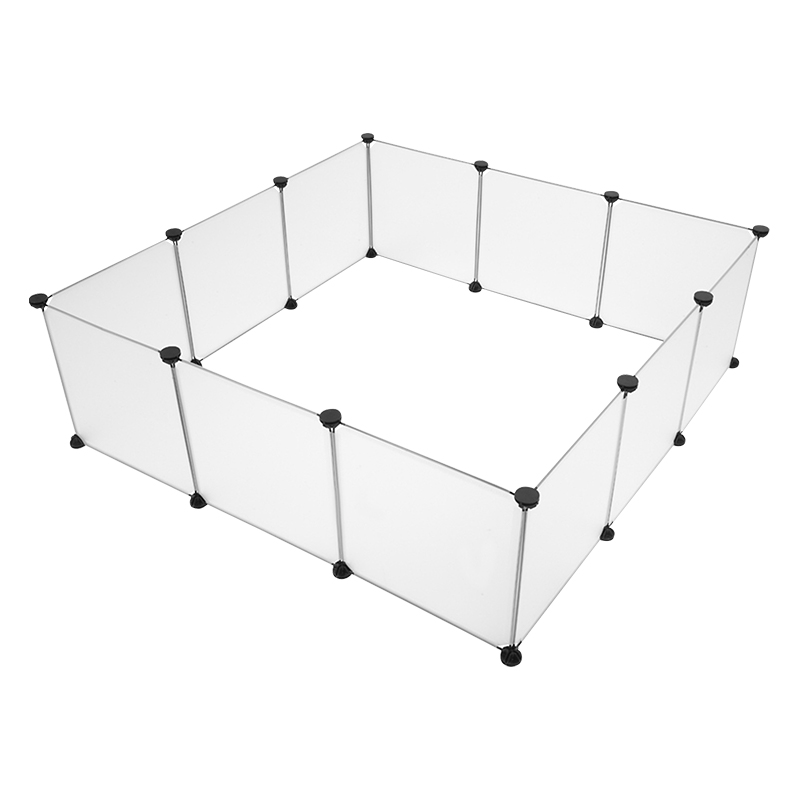
The longevity and effectiveness of a Small Animal Fence are directly tied to the materials from which it is built. Selecting components designed for durability ensures the structure remains secure and functional for an extended period, providing reliable protection for gardens and pets while reducing the need for frequent repairs. This analysis explores material options with a focus on their resilience against environmental and animal-related wear.
Evaluating Wire Mesh Options for the Main Barrier
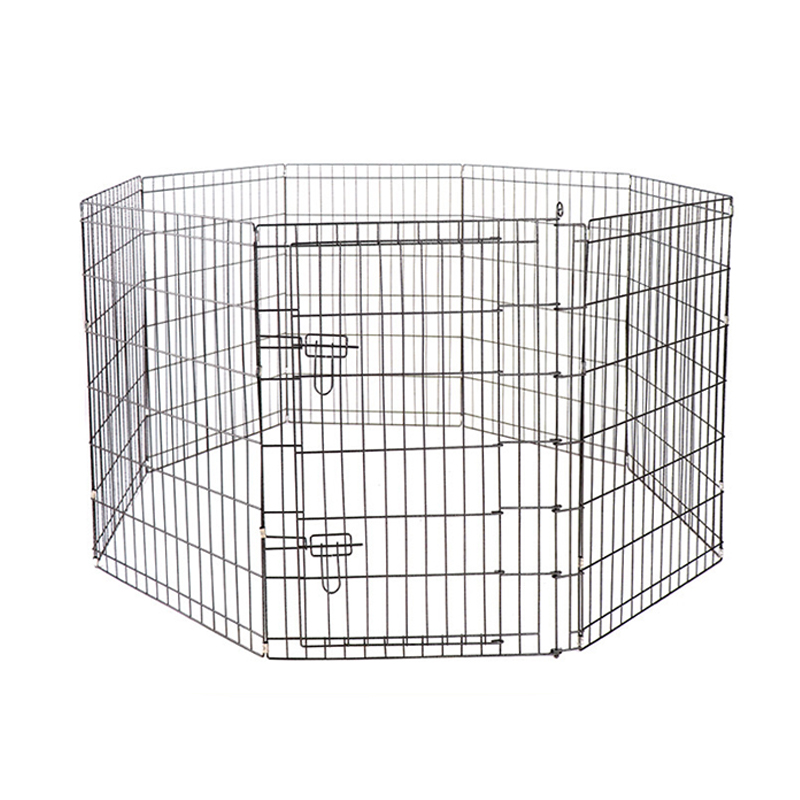
The choice of wire mesh is the most critical decision. Galvanized hardware cloth, with its welded grid pattern, offers a sturdy and reliable option. The galvanization process involves coating the steel wire with a layer of zinc, which provides a protective barrier against rust and corrosion, significantly extending the material’s life outdoors compared to non-coated wire. Vinyl-coated welded wire mesh adds an extra layer of protection against the elements and can blend more seamlessly into garden settings, though the coating may be vulnerable to damage from persistent chewing. Chicken wire, while economical, is generally less robust and more easily compromised by determined animals or heavy weather.
Considering Framework and Post Materials
The framework gives the fence its shape and strength. For wooden posts and rails, pressure-treated lumber is a common choice as the treatment process helps the wood resist decay, insect damage, and moisture. Naturally rot-resistant woods, like cedar, offer an alternative without chemical treatment. For a longer-lasting and maintenance-free structure, metal posts (such as galvanized steel T-posts or pipe) and rails provide substantial strength and are impervious to chewing and rot. The choice often balances initial investment, desired aesthetics, and the level of structural demand required for the specific animals being contained.
The Importance of Hardware and Fasteners
Often overlooked, the hardware is what holds everything together. Using fasteners that can withstand outdoor conditions is essential for maintaining structural integrity. Galvanized or stainless-steel staples, screws, bolts, and hinges resist rust far better than standard steel versions. A fence’s stability can be compromised not by a failure of the mesh or posts, but by rusted fasteners that snap or pull loose over time. Similarly, gate latches should be made of sturdy, corrosion-resistant metal and feature a secure locking mechanism that cannot be easily nudged open by a curious animal.
Matching Materials to Specific Environments and Challenges
The local environment influences material selection.
In coastal or humid areas where salt air and moisture accelerate corrosion, the corrosion resistance of galvanized or stainless-steel components becomes even more important. In regions with intense sunlight, materials with UV inhibitors, such as certain plastics or vinyl coatings, can help prevent premature degradation from solar exposure. For enclosures housing animals with strong chewing instincts, like rodents, the physical toughness of galvanized hardware cloth makes it a necessary choice over softer plastics or thin wires. Understanding these interactions between material properties and specific challenges leads to a more informed and lasting investment.
Choosing the right materials for a small animal fence can significantly enhance its performance and durability. Careful selection tailored to the animals and environment ensures long-lasting protection for pets and gardens.