


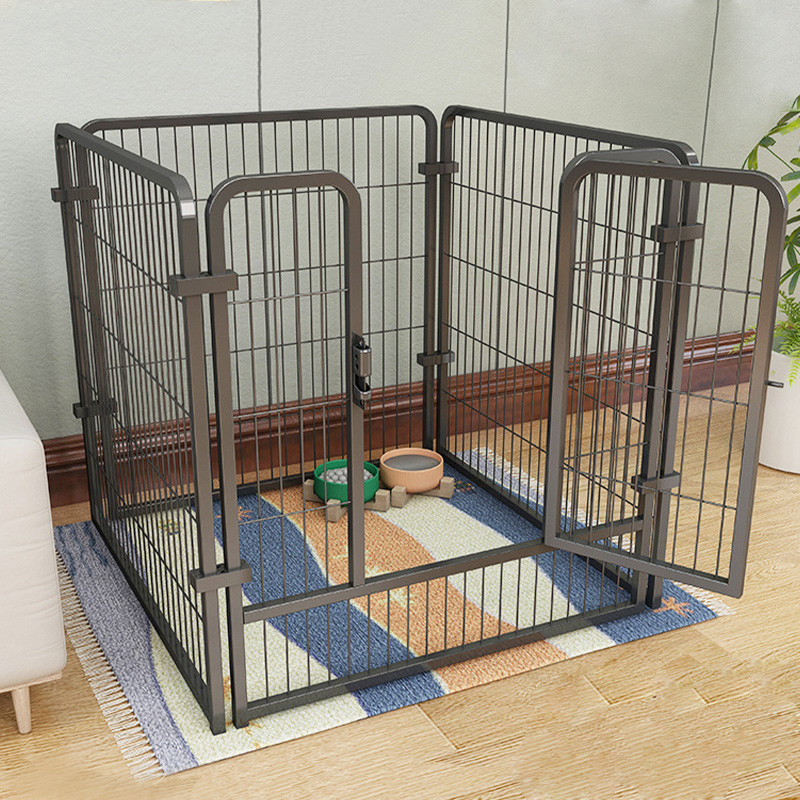
Outdoor play is essential for many pets, offering space for movement, exploration, and stimulation. At the same time, outdoor environments introduce risks that require careful planning. A Pet Fence is often discussed as a practical way to create controlled outdoor areas that support safe play for dogs and small animals alike.
Why Outdoor Containment Matters
Backyards and open outdoor spaces may appear safe at first glance, but they often include uneven ground, access points, and external distractions. Without clear boundaries, pets may wander into unsafe zones or attempt to leave the property.
Using a fence system allows pets to enjoy outdoor time while remaining within defined limits. This approach supports confidence and independence without constant human oversight.
Outdoor Pet Fence Options
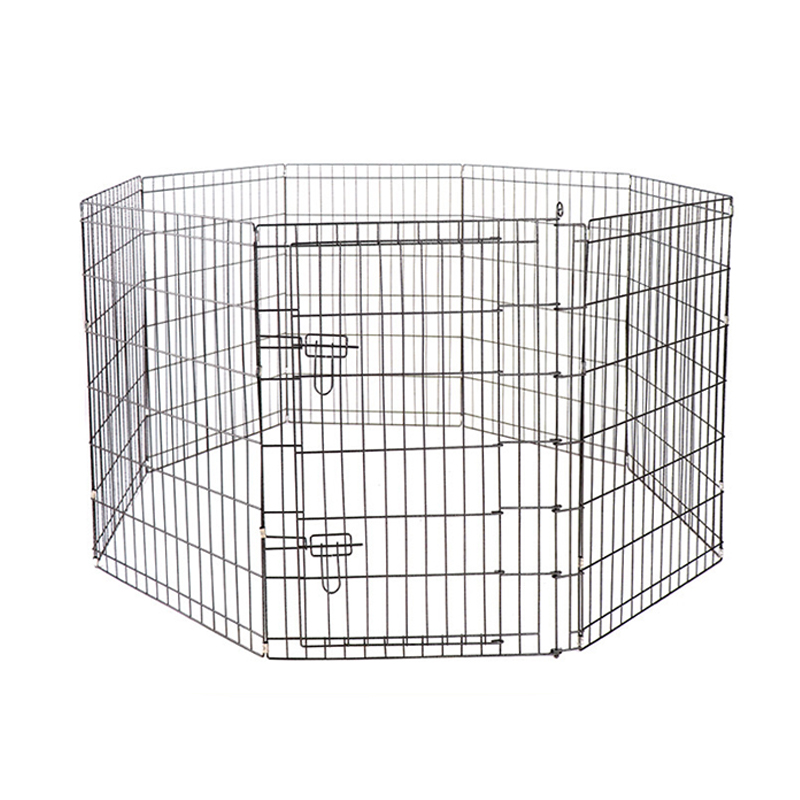
Outdoor containment solutions range from fixed perimeter fences to portable enclosures that can be repositioned. Fixed fencing offers long-term structure, while movable options support flexible use across seasons or activities.
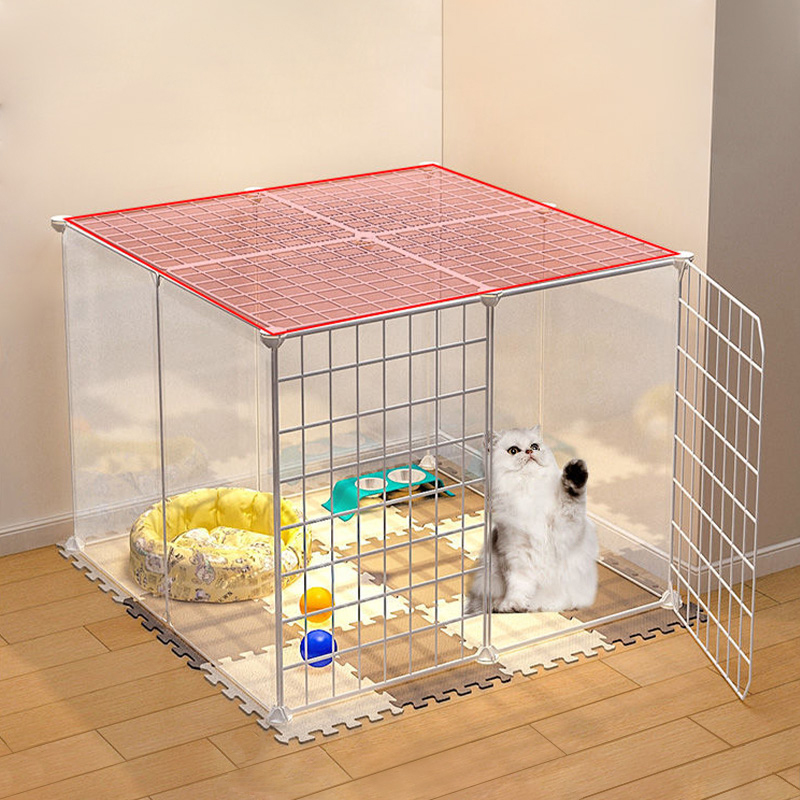
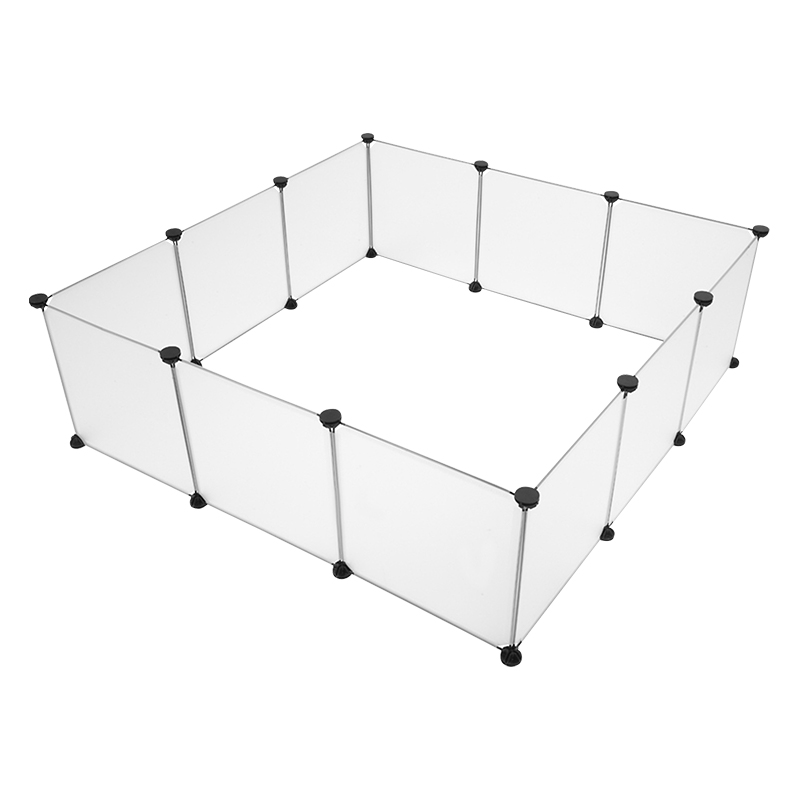
For small pets, a Small Animal Fence is frequently used to create ground-level enclosures that prevent escape while allowing visibility. These fences are especially useful for supervised outdoor play sessions and temporary setups.
Designing Play Areas for Different Animals
Dogs and small animals often require different outdoor layouts. Dogs benefit from open running areas, while smaller pets need secure zones close to the ground. Thoughtful design ensures each pet can move comfortably without interference.
Combining Pet Fence solutions with Small Animal Fence enclosures allows households to divide space efficiently. Clear separation supports safety and reduces stress during shared outdoor time.
Material Selection and Installation Considerations
Backyard containment systems face constant environmental exposure, making material durability particularly important. Weather-resistant coatings on metal components prevent rust, while UV-stabilized plastics maintain integrity under sunlight. Wooden elements require treatments safe for animal contact while resisting moisture damage and insect activity.
Installation methods should account for local soil conditions and weather patterns. Proper anchoring ensures stability during high winds or against animal pressure. For Small Animal Fence areas, securing mesh firmly to frames and burying perimeter edges prevents gaps that might develop over time. Regular inspection of all containment systems identifies wear points or potential weaknesses before they become problematic.
Encouraging Safe Outdoor Habits
Outdoor fence systems are most effective when paired with consistent routines. Pets learn where they can play and when outdoor access is available. Over time, this structure supports confident behavior and smoother transitions between indoor and outdoor environments.
With proper planning, Pet Fence solutions can turn outdoor spaces into enjoyable, well-managed areas for pets of all sizes.
Plant selection within pet spaces requires attention to animal safety, with non-toxic species placed where they won't be consumed in substantial quantities. Surface materials should support easy cleaning while providing a comfortable footing. Water access, shaded areas, and resting spots complete the backyard environment, making it appealing for all inhabitants.
Balanced Outdoor Spaces for Pet Households
Developing a backyard that safely accommodates different pet species involves combining general containment principles with specialized knowledge. A well-constructed Pet Fence establishes the foundational boundary for canine and feline family members, while thoughtfully designed Small Animal Fence areas address the specific needs of smaller companions. Through this integrated approach, outdoor spaces become accessible to all household pets while maintaining appropriate security levels. The result is a functional backyard environment that supports physical activity, environmental enrichment, and peaceful coexistence among diverse animal companions.