


Small animal companions like rabbits, ferrets, guinea pigs, and certain birds require specific containment considerations. General pet fences work for many scenarios, but smaller pets need tailored planning to address their unique behaviors, physical traits, and security needs. This guide shares practical indoor and outdoor setup strategies to create safe, engaging spaces for these companions.
Space Planning and Layout
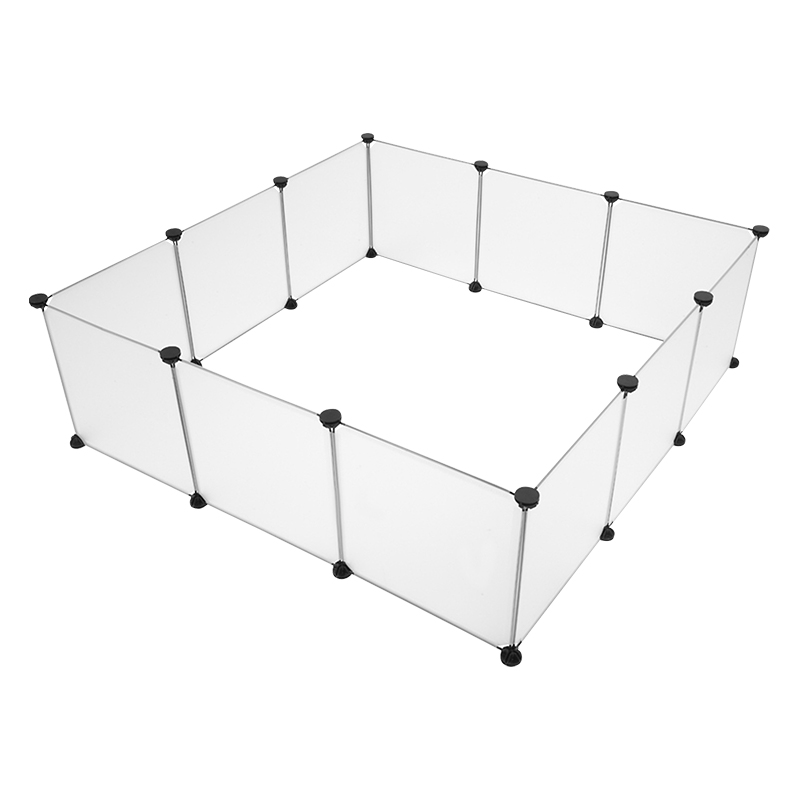
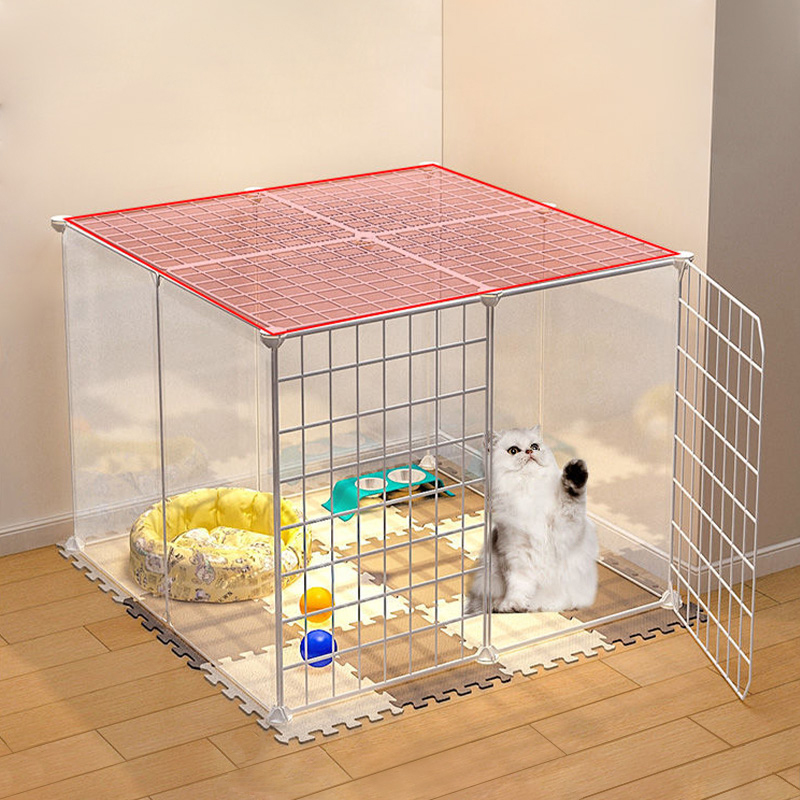
Indoor enclosures for small animals need ample space for natural behaviors—hopping, stretching, exploring. Modular small animal fence panels offer flexibility, enabling rectangular, square, or L-shaped configurations to maximize space. Include essentials: a sheltered rest area, feeding station, water source, and designated bathroom space if needed.
Position the enclosure in a temperature-stable spot, avoiding direct sunlight (to prevent overheating) and drafts. Clear the surrounding area of electrical cords, houseplants, and other hazards accessible through the barrier.
Enhanced Security Measures
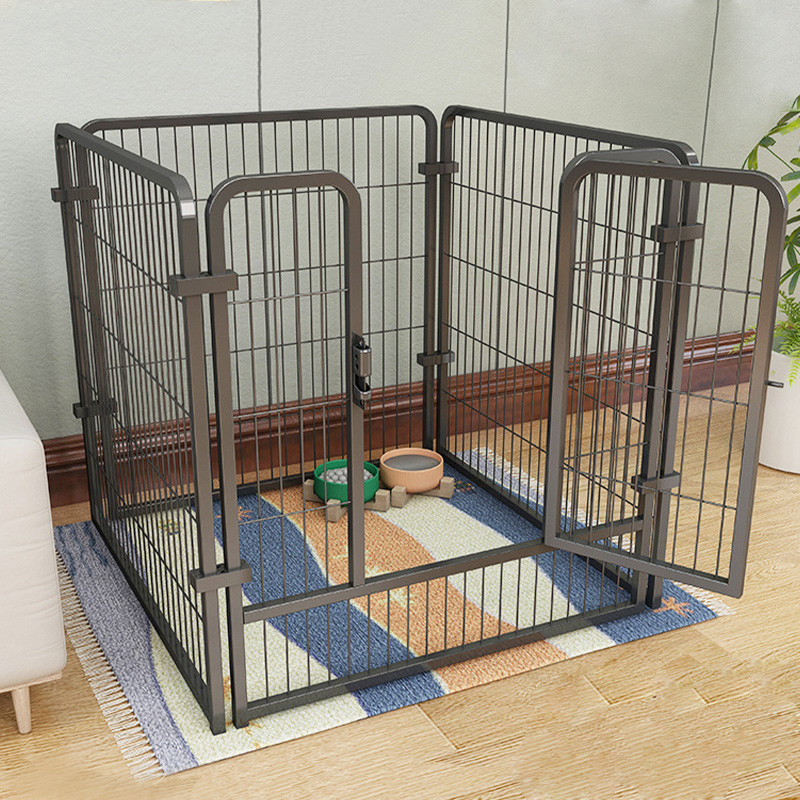
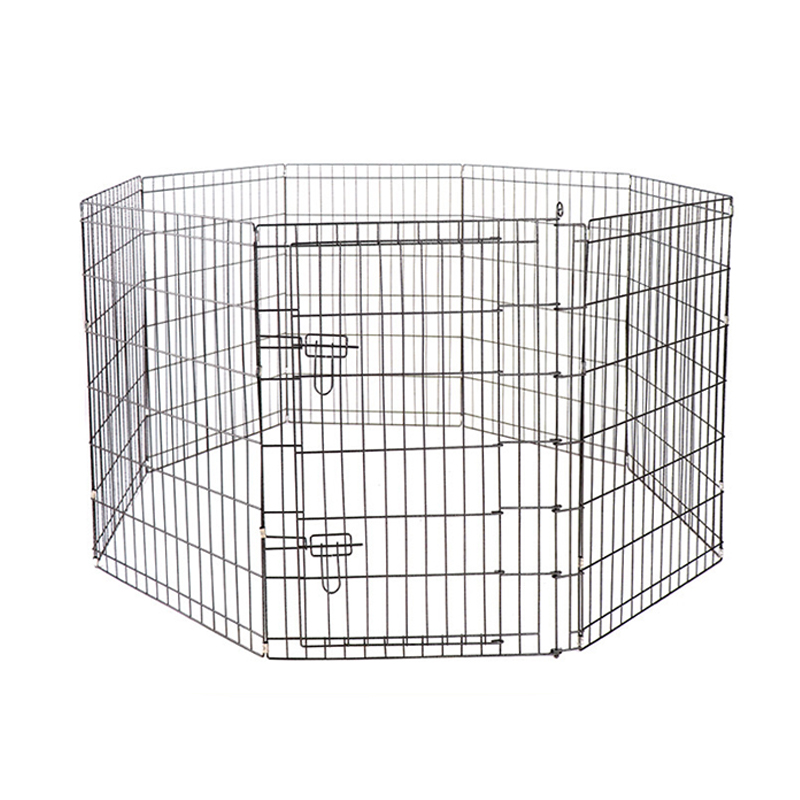
Standard dog puppy fence panels have gaps too wide for small pets. For indoor setups, add fine mesh to panels—using sturdy panels for structure and mesh for gap coverage creates an effective system.
Protect floors, as many small animals dig enthusiastically. Line the enclosure base with a plastic mat, corrugated sheet, or specialized bottom to contain bedding and shield floors. For persistent diggers, secure the barrier’s base to the flooring to block edge-lifting escapes.
Environmental Enrichment Integration
A quality small animal fence setup includes species-specific enrichment: hiding tunnels for prey animals, climbing structures for ferrets, and dust baths for chinchillas. These turn a containment space into a stimulating habitat. Rotate toys and rearrange the interior regularly to provide mental stimulation alongside physical security.
Location Selection Criteria
Outdoor enclosures need careful site selection. Choose a level area with natural drainage to avoid rainwater buildup. Partial shade from trees or structures protects against harsh afternoon sun while letting in daylight. The spot should offer wind protection but maintain good airflow.
Place it close enough to the house for easy monitoring, yet far from wild animal paths to reduce predator stress. Clear the area beneath of toxic plants or weeds that could be eaten through the fence.
Escape Prevention Strategies
Outdoor setups demand robust containment: buried perimeter barriers (dig guards/skirts), closely spaced mesh sides, and overhead protection. The underground skirt extends outward from the enclosure base to block digging escapes and intrusions. Overhead coverage—roofs or wire mesh—prevents climbing escapes and aerial predator attacks.
Weather Adaptation Features
Outdoor enclosures must handle changing weather. Solid roofs shield from rain, while removable shade cloths adjust sun exposure. In cold climates, add insulated shelters; in warm regions, ensure ventilation or cooling tiles.
Use weather-resistant materials that won’t degrade or leach chemicals. Inspect regularly for rust, rot, or UV damage to maintain integrity.
Maintenance and Safety Checks
Consistent maintenance is key for both indoor and outdoor setups. Do daily visual checks for wear, loose connections, or chewing/scratching damage. Weekly inspections verify structural stability, gate security, and mesh/protective element condition.
Clean with non-toxic, pet-safe cleaners to remove waste without residues. Replace bedding or floor coverings regularly to maintain hygiene.
Creating Purposeful Spaces for Small Companions
Small pet containment requires specialized small animal fence approaches beyond general pet products. Indoor setups balance space, security, and enrichment; outdoor ones address predators, weather, and ground security. By implementing these principles, owners create spaces where small pets thrive in safety and comfort—fostering natural behaviors while ensuring peace of mind through informed planning.