


Selecting suitable pet containment systems requires considering animal traits, installation environments, and usage patterns. Pet fences range from temporary indoor barriers to permanent outdoor setups. For small animals like rabbits, ferrets, or poultry, specialized Small Animal Fences address their unique behaviors and physical attributes. This guide outlines selection criteria for diverse scenarios, offering a structured approach to finding the right fit.
Physical Attributes and Capabilities
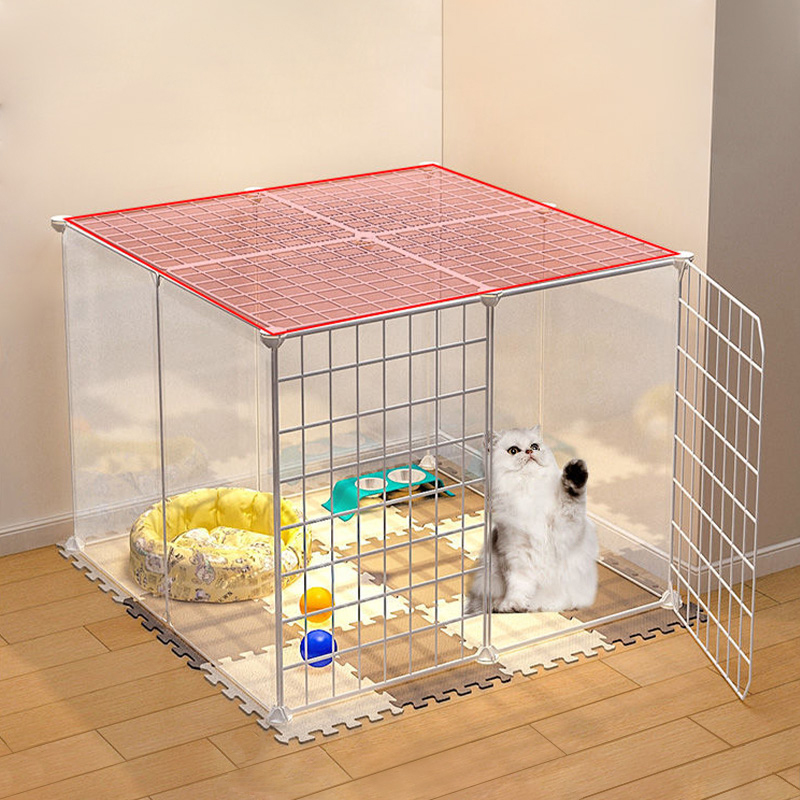
An animal’s size, strength, and physical abilities are key to containment choice. For dogs, barrier height must account for jumping capacity, and material strength must match their weight and impact force. Cats need barriers that counter climbing, often with overhangs or full enclosures.
Small animals demand distinct considerations: Small Animal Fences must address their ability to squeeze through gaps, digging instincts, and jumping/climbing skills. Mesh spacing should prevent head protrusion—a critical point for small mammals. Barrier height must exceed their reach and jump height, as some species leap multiple times their body length.
Behavioral Patterns and Temperament
Animal behaviors dictate containment approaches. Digging species need underground barrier extensions, while chewers require gnaw-resistant materials. Anxious animals prone to escape may benefit from solid enclosures that reduce stimuli, while social species prefer open mesh for visibility.
Past containment experience also matters—pets accustomed to specific barriers may test new ones differently. Observing interactions with temporary barriers informs final selections.
Electronic Containment Systems
Electronic fences, mainly for dogs, use buried wires or wireless signals with training collars that provide feedback near boundaries. They preserve open sightlines but require consistent training and suit only certain temperaments. Importantly, they are not physical Small Animal Fence solutions and offer no protection from external threats.
Portable and Exercise Pens
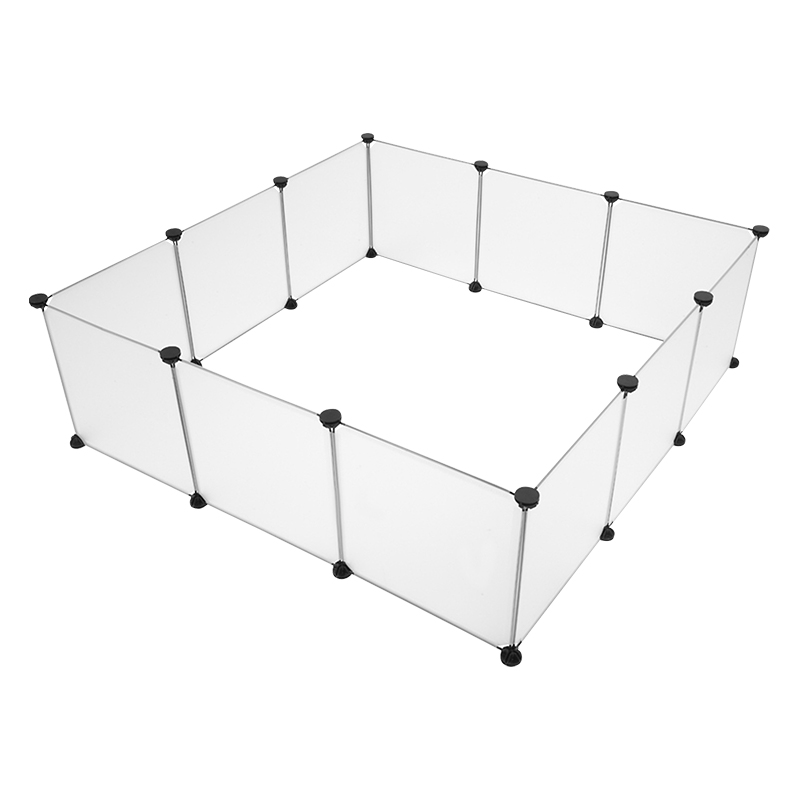
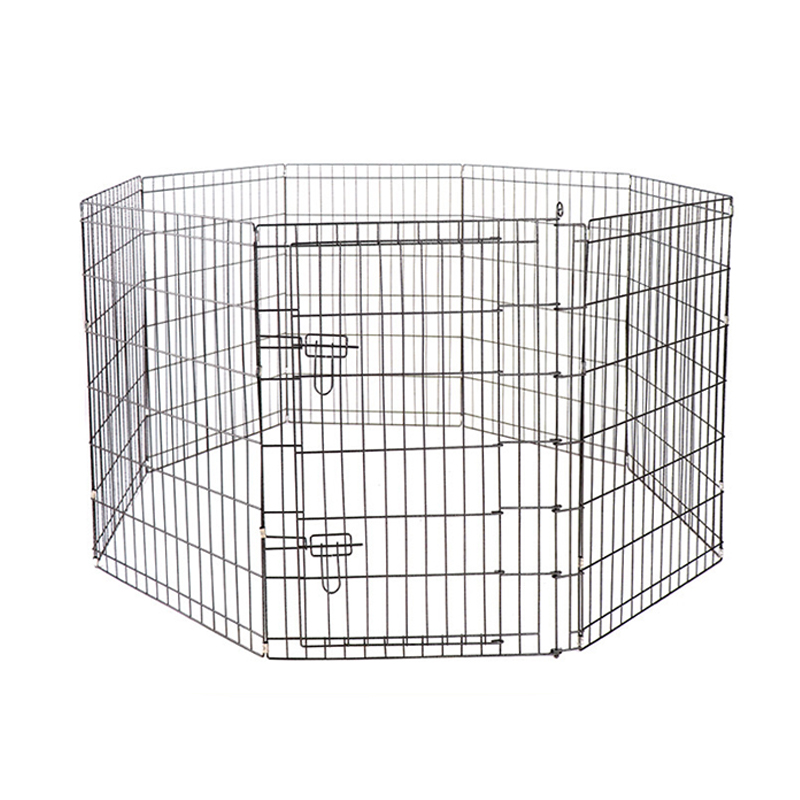
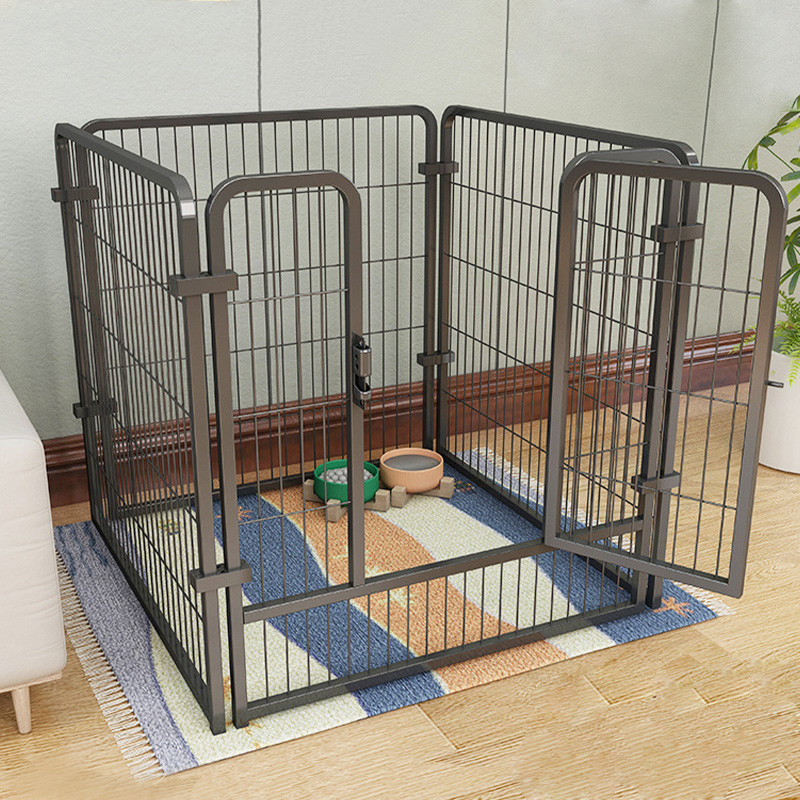
Freestanding, foldable panels are versatile for temporary containment, ideal for puppy training, travel, or safe zones. For small animals, prioritize mesh density and panel connection security—some models have narrow spacing or mesh inserts for smaller species.
Fixed Perimeter Installations
Permanent semi-permanent yard barriers (vinyl, wood, metal) are common for outdoor use. For small animals, these perimeters often need supplemental Small Animal Fence elements to create secure zones within the main boundary.
Specialized Small Animal Enclosures
Specialized Small Animal Fences include fine mesh, secure door locks, chew-resistant materials, and often integrated bottoms or dig guards. These modular or pre-configured systems work indoors or outdoors.
Indoor Containment Considerations
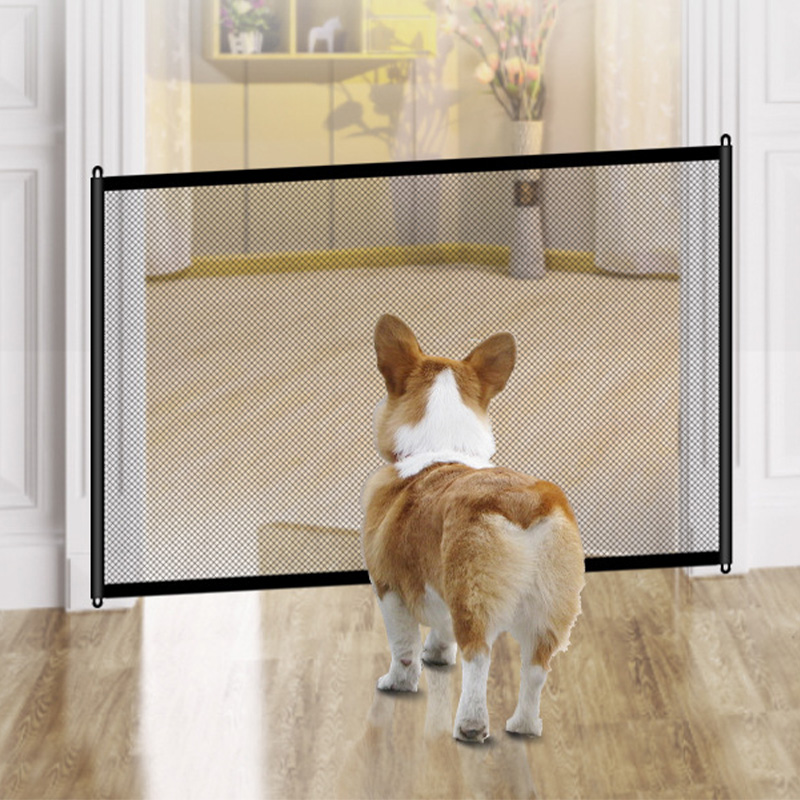
Indoor fences should complement living spaces without hazards or floor damage. Pressure-mounted gates separate rooms temporarily, while freestanding panels create exercise areas. For small animals, factor in cleanability, humidity compatibility, and aesthetics.
Ventilation is critical for indoor small animal enclosures to prevent ammonia buildup—mesh designs balance airflow and security.
Outdoor Containment Requirements
Outdoor fences must resist weather, UV damage, and moisture. They need structural stability for wind and animal pressure. For small animals, add overhead coverage to deter aerial predators and proper flooring to prevent digging, with partial visual barriers to reduce stress.
Integration and Multi-Species Considerations
Multi-pet households benefit from integrated setups: a main fence for dogs, with a Small Animal Fence inside for rabbits or poultry. Separate access schedules or supervision ease transitions. Position small animal enclosures away from larger pets to avoid stress, using visual barriers to reduce interspecies tension.
Informed Selection for Specific Situations
Choosing containment means matching animal needs to product capabilities. General pet fences suit most dogs and cats, while Small Animal Fences address smaller species’ unique traits. By evaluating animal attributes, environment, and usage, households can create secure, animal-friendly solutions—tailored results from thoughtful assessment, not assumptions.