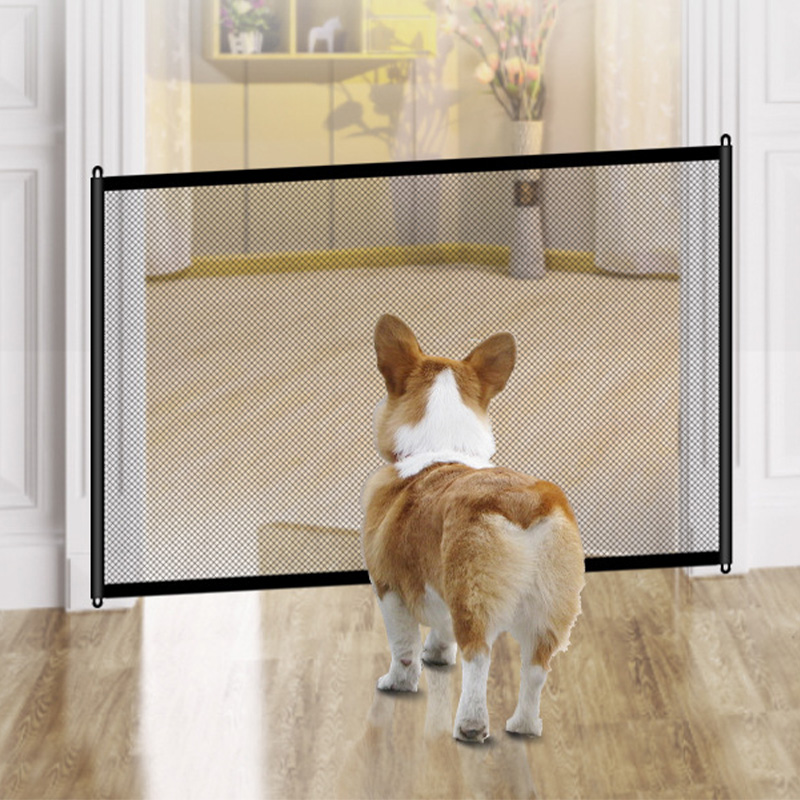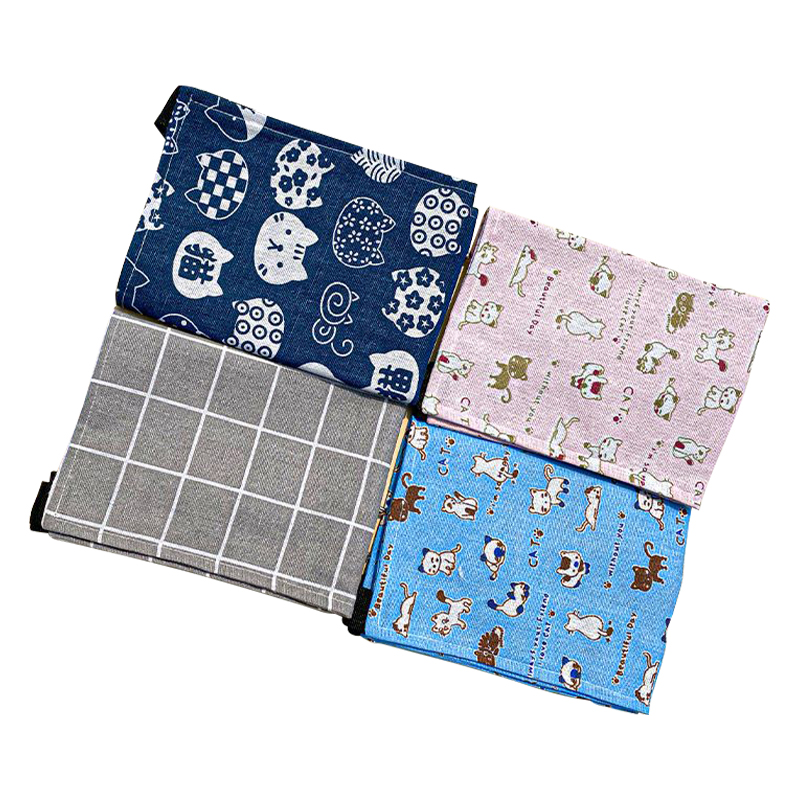



Creating a comfortable enclosure for pets often requires careful material selection. A Small Animal Fence can be made from metal, fabric, or plastic, and each material offers different advantages depending on the environment and type of animal. Pet owners commonly compare durability, portability, cleaning convenience, and outdoor performance before choosing a fencing system for rabbits, guinea pigs, ducks, puppies, or other small animals.
Because indoor and outdoor conditions vary greatly, no single material fits every situation. Some fences are designed for long-term backyard use, while others focus on portability and temporary indoor setups. Understanding the characteristics of each material can help users choose a fence that better matches their daily pet care needs.
Metal Small Animal Fences
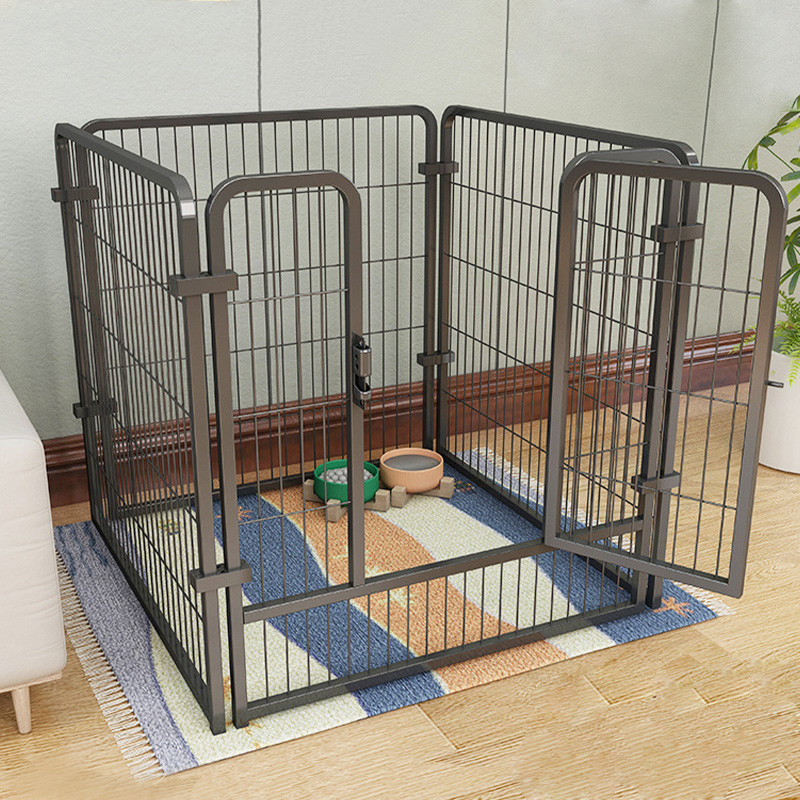
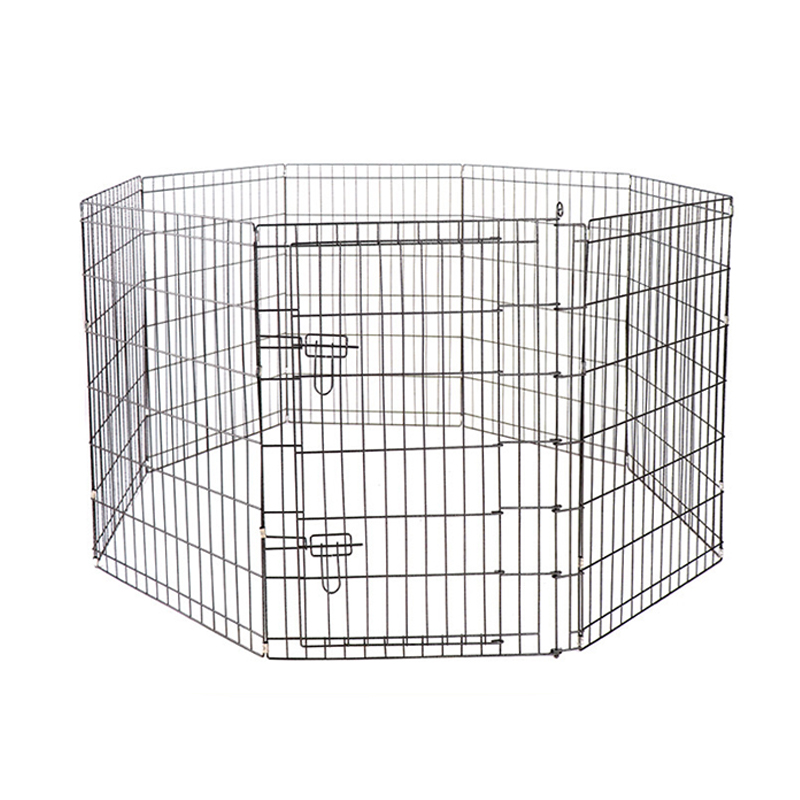
Metal fencing is widely used for outdoor enclosures because of its strong structure and stable support.
Advantages of Metal Fencing
Wire mesh and coated metal panels are commonly selected for rabbits and chickens. These fences can help contain active animals while also supporting larger enclosure layouts.
Metal fences are often suitable for backyard environments because they can handle outdoor exposure more effectively than softer materials. Some designs also include ground stakes or anti-dig features for additional stability.
Many pet owners choose metal fencing when predator protection is an important concern. Narrow mesh spacing may also help prevent smaller animals from escaping through gaps.
Considerations for Metal Fences
Although metal fences provide strong support, they are usually heavier than plastic or fabric options. Transporting larger panels may require additional storage space.
Outdoor metal fences may also require protective coatings to reduce rust development in wet conditions. Without proper treatment, long-term weather exposure can gradually affect the surface.
Fabric Small Animal Fences
Fabric fences are commonly used for temporary setups and portable activity areas.
Advantages of Fabric Fencing
Lightweight materials make fabric fences easy to carry and reposition. Some foldable designs can be stored compactly when not in use, which is useful for travel or short-term pet enclosures.
Fabric fencing is often selected for supervised indoor activity sessions or temporary outdoor use during mild weather conditions.
Portable fabric playpens are also popular for pet owners who need a quick setup without complicated assembly.
Considerations for Fabric Fences
Fabric materials may not provide the same level of chew resistance as metal panels. Active animals with strong chewing habits could gradually damage softer surfaces over time.
Long outdoor exposure to rain and sunlight may also reduce material durability. Because of this, fabric fences are often used for temporary rather than permanent outdoor setups.
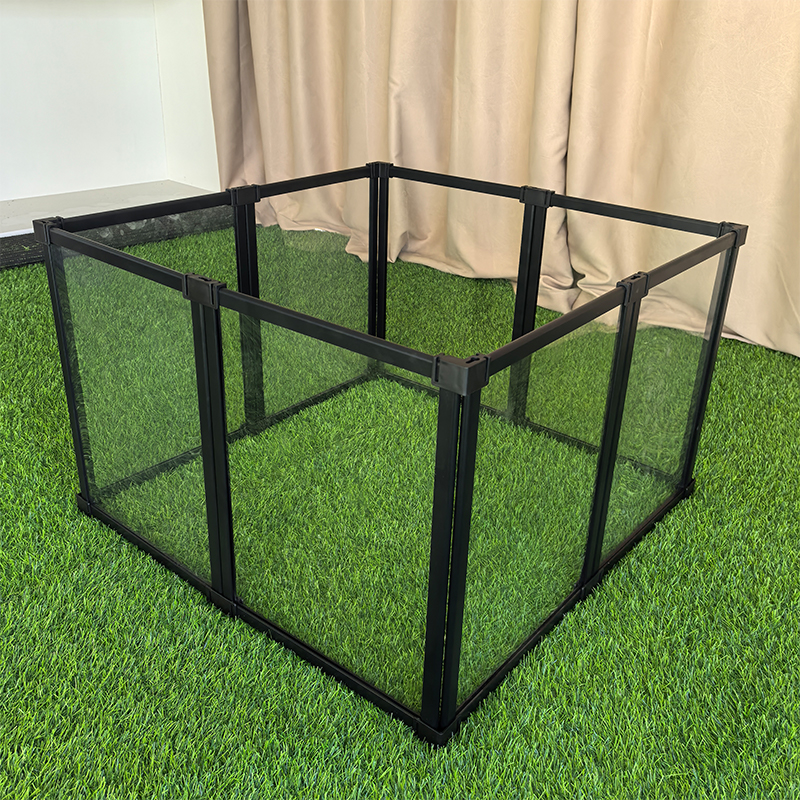
Plastic Small Animal Fences
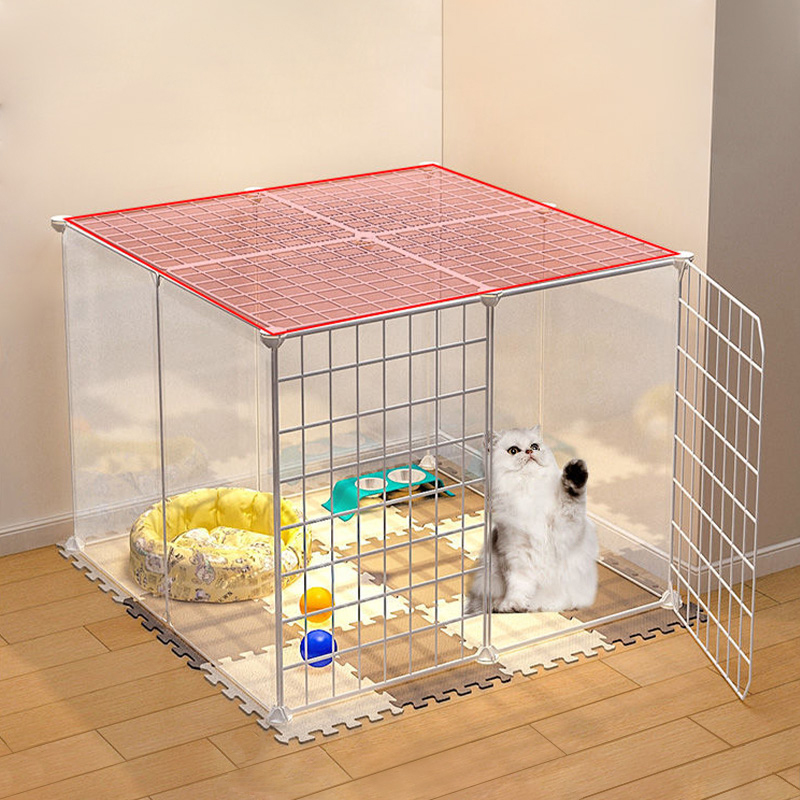
Plastic fences are commonly used indoors because they are lightweight and relatively easy to maintain.
Advantages of Plastic Fencing
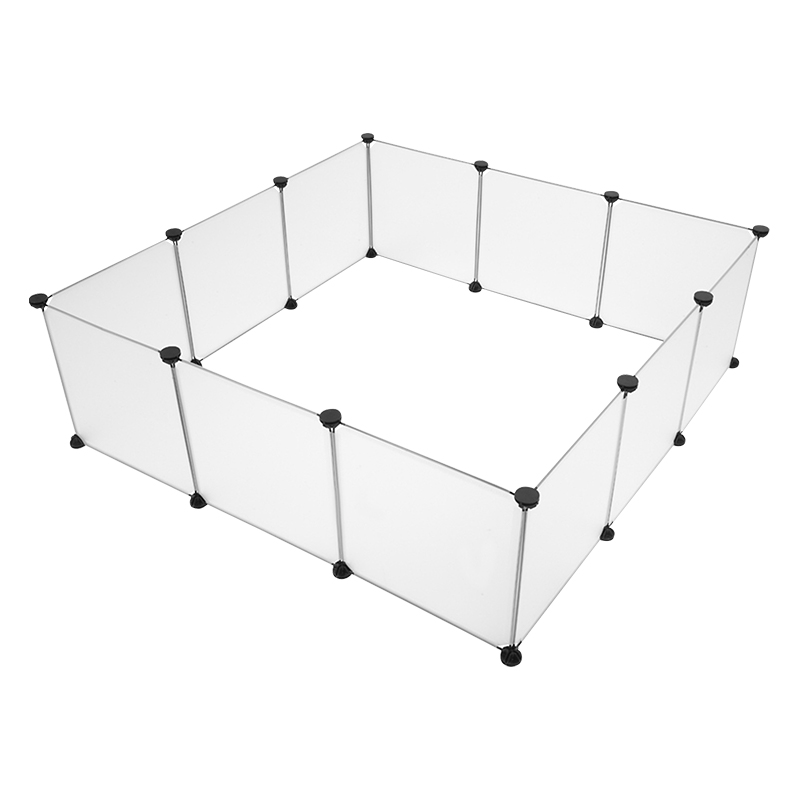
Smooth plastic surfaces are often easier to clean compared to wire structures. This makes plastic panels suitable for indoor environments where regular cleaning is necessary.
Many plastic fence systems use modular panels that can be arranged into different shapes. Pet owners can adjust enclosure layouts depending on room size and available floor space.
Plastic fencing is also widely used for rabbits and guinea pigs because the enclosed surfaces may help reduce bedding scatter outside the enclosure area.
Considerations for Plastic Fences
Plastic fences are usually lighter than metal systems, which can make them easier to move. However, very active pets may push lightweight panels if the structure is not secured properly.
Some plastic materials may also become less stable after long exposure to direct sunlight in outdoor environments.
Comparing Materials by Usage Scenario
Different materials are often better suited for specific situations.
Backyard Exercise Areas
Metal fencing is commonly preferred for outdoor exercise areas because it provides stronger structural support and better resistance to weather exposure.
Indoor Play Zones
Plastic panels are frequently used indoors due to their smooth surfaces and convenient cleaning features.
Temporary and Portable Enclosures
Fabric fences are often chosen for travel, camping, or temporary supervised activity spaces because they are lightweight and easy to fold.
Factors to Consider Before Buying
Before selecting a fence material, many pet owners evaluate several practical factors.
Pet Size and Behavior
Animals that jump, chew, or dig may require stronger fencing materials and additional safety features.
Indoor or Outdoor Use
Outdoor environments generally require weather-resistant materials, while indoor setups may focus more on portability and appearance.
Cleaning and Maintenance
Some materials require more frequent cleaning or surface care depending on where the enclosure is used.
Storage Needs
Foldable or modular fence systems may help save space when the enclosure is not being used regularly.
As pet care environments continue changing, fence materials are being developed to support different lifestyles and enclosure needs. Metal, fabric, and plastic fencing each provide different practical benefits depending on the intended use, pet behavior, and available space.