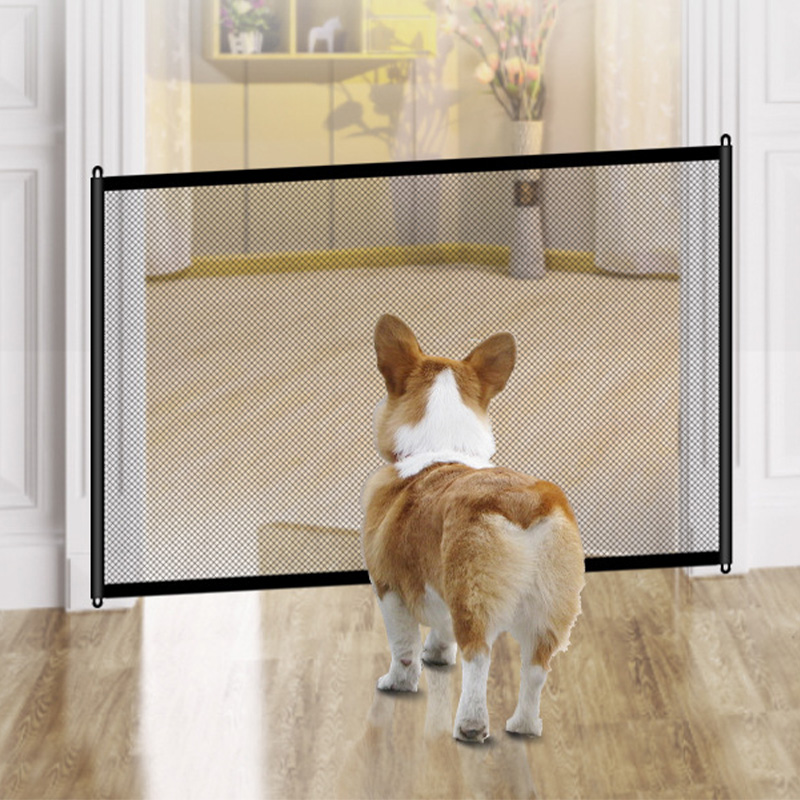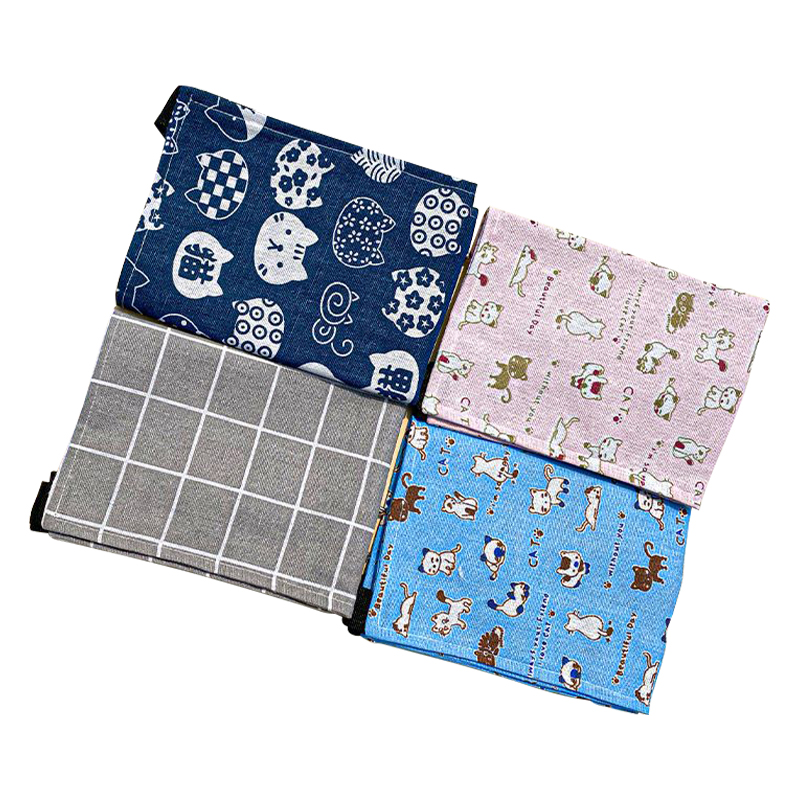



Pet owners are increasingly looking for ways to create safer and more organized spaces for rabbits, guinea pigs, ducks, puppies, and other small animals. A Small Animal Fence is often used to separate pet activity areas from the rest of the home or yard while allowing animals to move more comfortably. Because indoor and outdoor environments are very different, fencing options are now designed to match a wide range of living spaces and daily care routines.
Some households need compact indoor enclosures for apartment living, while others prefer outdoor fences for backyard exercise areas. Material choice, portability, and weather resistance all affect how suitable a fence may be for a particular environment.
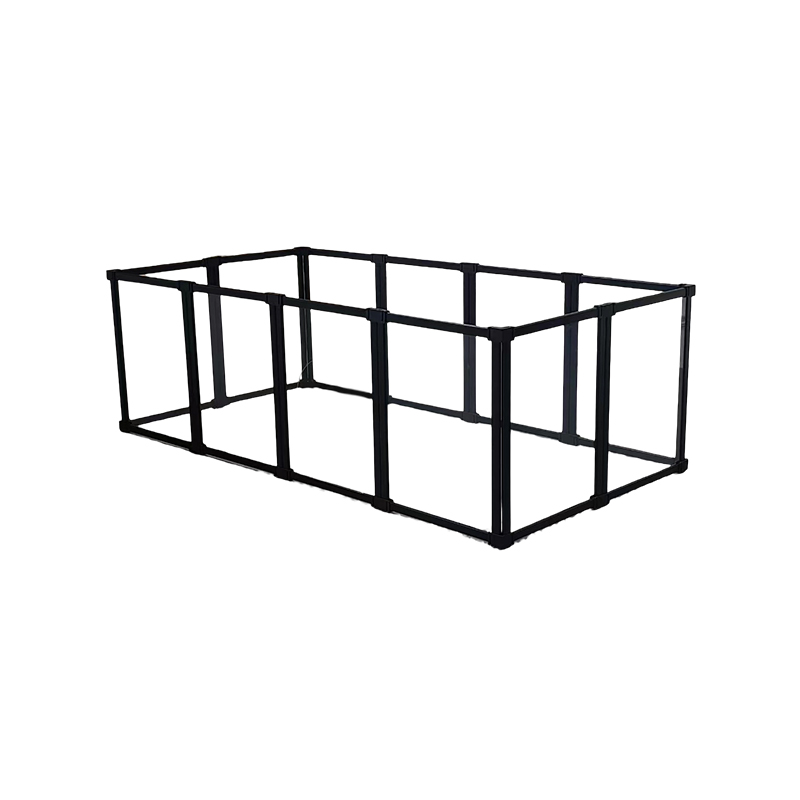
Indoor Small Animal Fence Options
Indoor fences are commonly used to create play areas and temporary exercise spaces inside the home. These enclosures are often designed with convenience and floor protection in mind.
Plastic Panel Fences
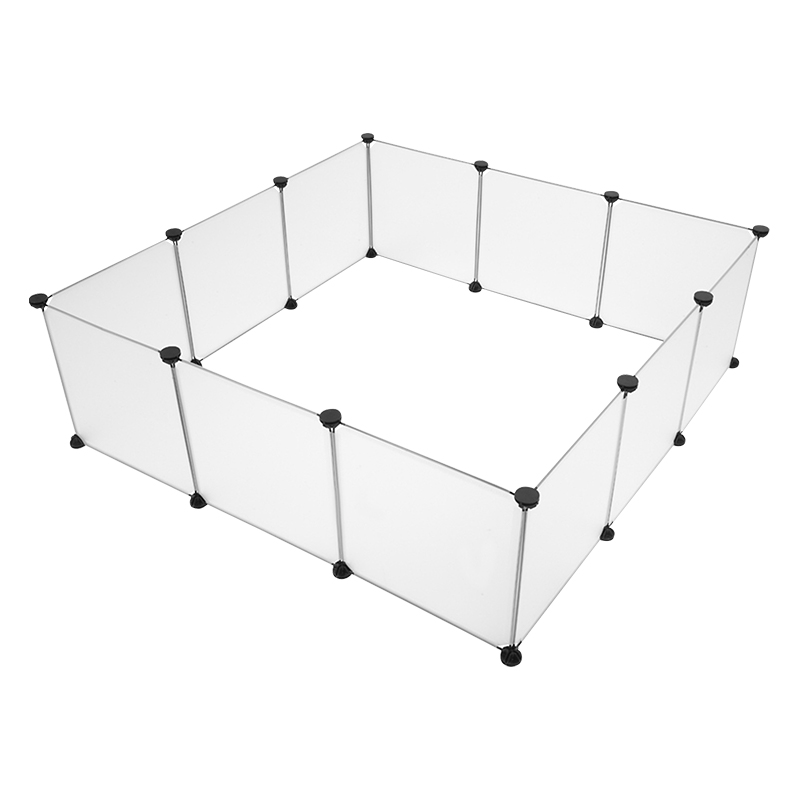
Plastic panel fences are widely used for indoor pets because they are lightweight and easy to clean. Smooth surfaces may also reduce the chance of scratching floors or furniture.
Many plastic fences use modular panels that can be connected into different shapes. This allows pet owners to adjust the enclosure according to room size and available space.
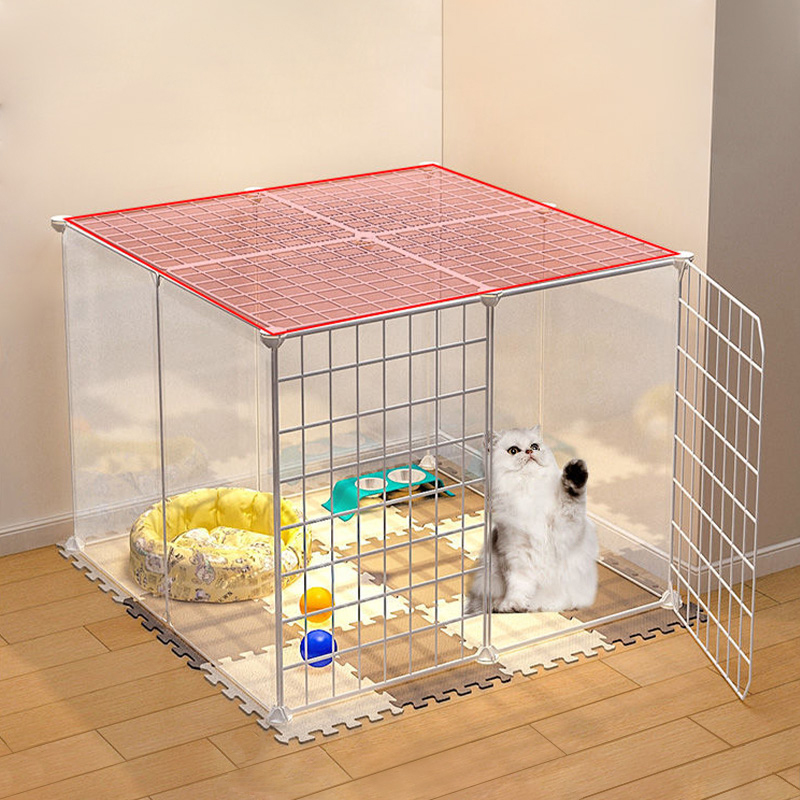
Transparent Fence Panels
Transparent panels are often selected for indoor use because they help maintain visibility while creating a contained area for pets. These fences are commonly used for rabbits and guinea pigs in living rooms or pet corners.
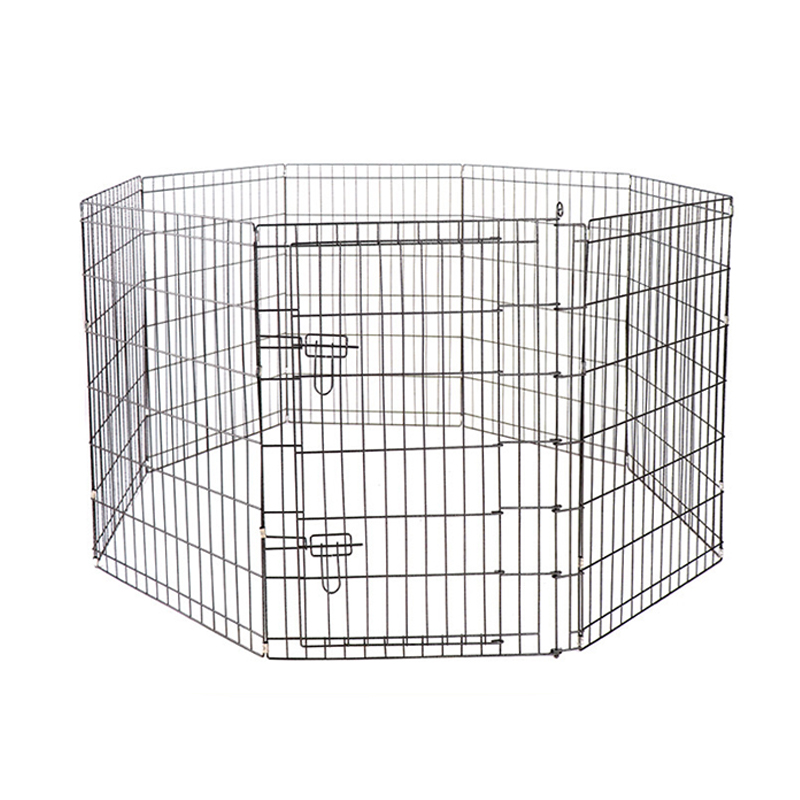
Foldable Indoor Playpens
Foldable playpens can be stored easily when not in use. Some pet owners prefer these designs for temporary activity areas or short supervised play sessions indoors.
Benefits of Indoor Fencing
Indoor fencing can help organize pet spaces more effectively. It may also reduce the chance of pets chewing furniture, damaging cables, or entering restricted areas.
Many indoor fence systems are designed for quick assembly without requiring tools. Lightweight structures can also simplify cleaning and repositioning around the home.
For smaller pets, indoor enclosures provide a safer environment during unsupervised periods while still allowing more movement than traditional cages.
Outdoor Small Animal Fence Options
Outdoor fences are often designed with stronger materials because they need to handle weather exposure and outdoor conditions.
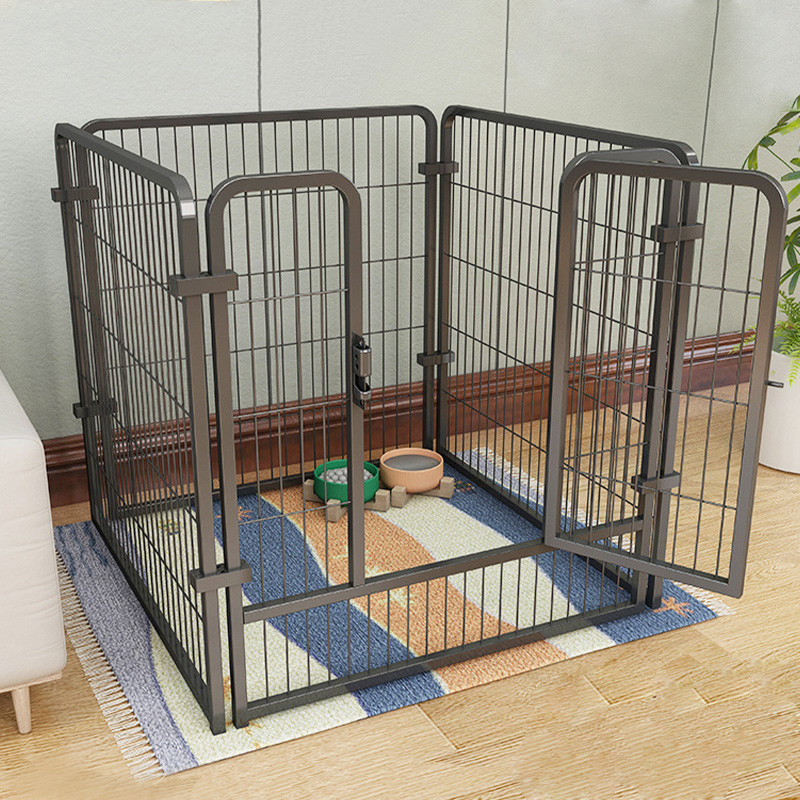
Metal Wire Fencing
Metal fencing is commonly used for backyard enclosures because it provides stronger structural support. Coated metal panels may also help reduce weather-related wear over time.
This type of fencing is frequently chosen for rabbits, ducks, and chickens that require larger outdoor spaces.
Portable Garden Enclosures
Portable outdoor fences allow pet owners to move enclosures around the yard. Some users place the fence in different grass areas throughout the week to provide animals with fresh ground surfaces.
Weather-Resistant Fence Panels
Outdoor fence panels are often designed with protective coatings that support long-term use in rain and sunlight. Ground stakes are also commonly included to improve stability.
Important Outdoor Features
Outdoor fencing usually requires additional safety features compared to indoor systems.
Rust Resistance
Metal fences used outdoors are often coated to help reduce rust development in wet conditions.
UV-Resistant Materials
Plastic and coated materials exposed to sunlight may gradually weaken over time. UV-resistant surfaces can support longer outdoor use.
Secure Ground Anchoring
Ground anchors help prevent fence movement during strong winds or active pet behavior. Stable installation is especially important for larger outdoor enclosures.
Comparing Indoor and Outdoor Use
Indoor fences are generally lighter and easier to move, while outdoor fences focus more on durability and weather protection. Cleaning requirements may also differ depending on where the enclosure is placed.
Indoor systems are usually designed for smooth flooring and compact storage. Outdoor fences often require stronger support structures and additional protection against digging or climbing.
Some pet owners choose to use both indoor and outdoor fencing systems so animals can safely spend time in different environments throughout the day.
Choosing Based on Pet Type
Different animals may require different fence designs.
Rabbits often need taller barriers because they may jump or dig.
Guinea pigs usually require smaller mesh spacing.
Ducks and chickens may benefit from larger outdoor enclosures.
Puppies may need stronger panels depending on their activity level.
Fence selection often depends on pet behavior, available space, and how frequently the enclosure will be used.
As indoor and outdoor pet care continues evolving, fencing systems are becoming more flexible and adaptable for different household environments. Portable layouts, modular panels, and weather-resistant materials continue attracting attention among pet owners looking for practical enclosure solutions.