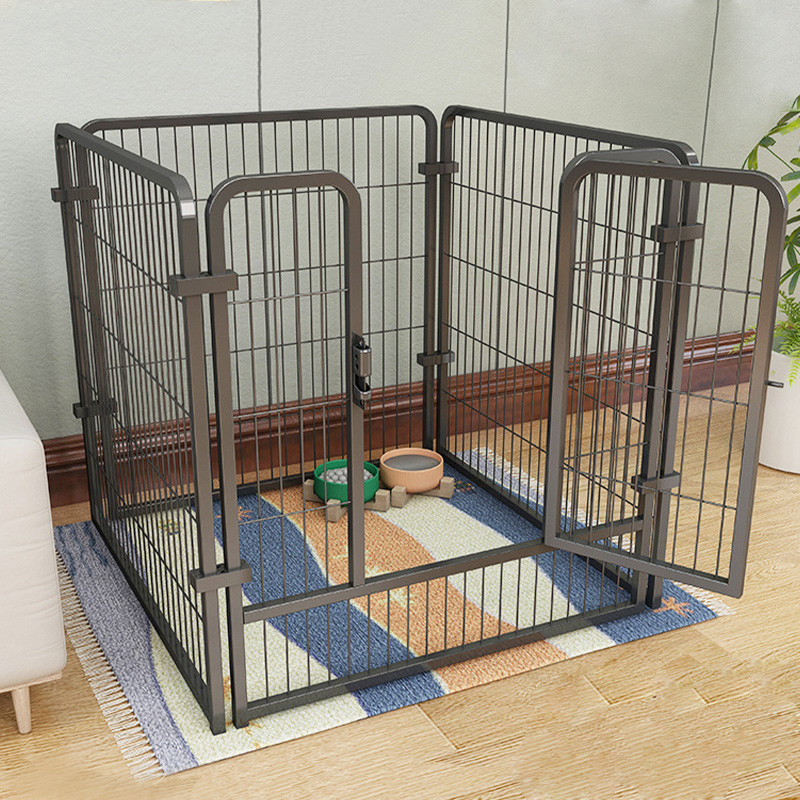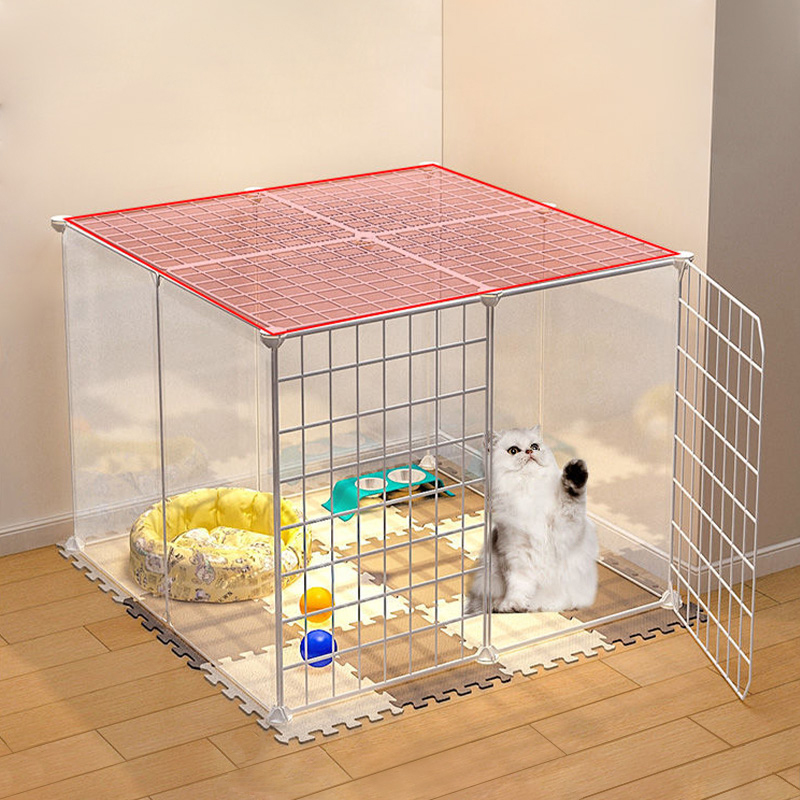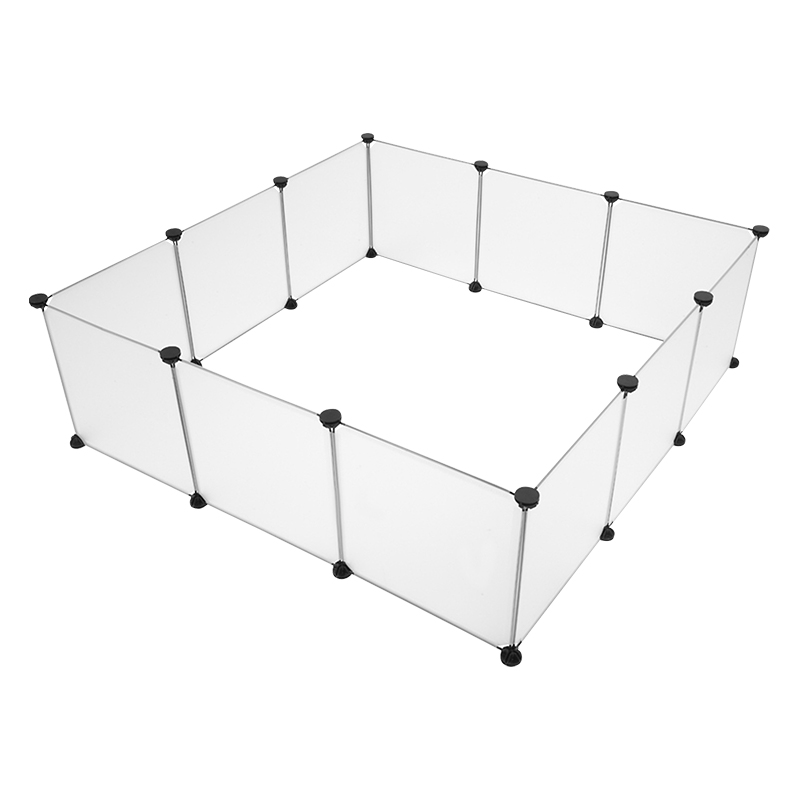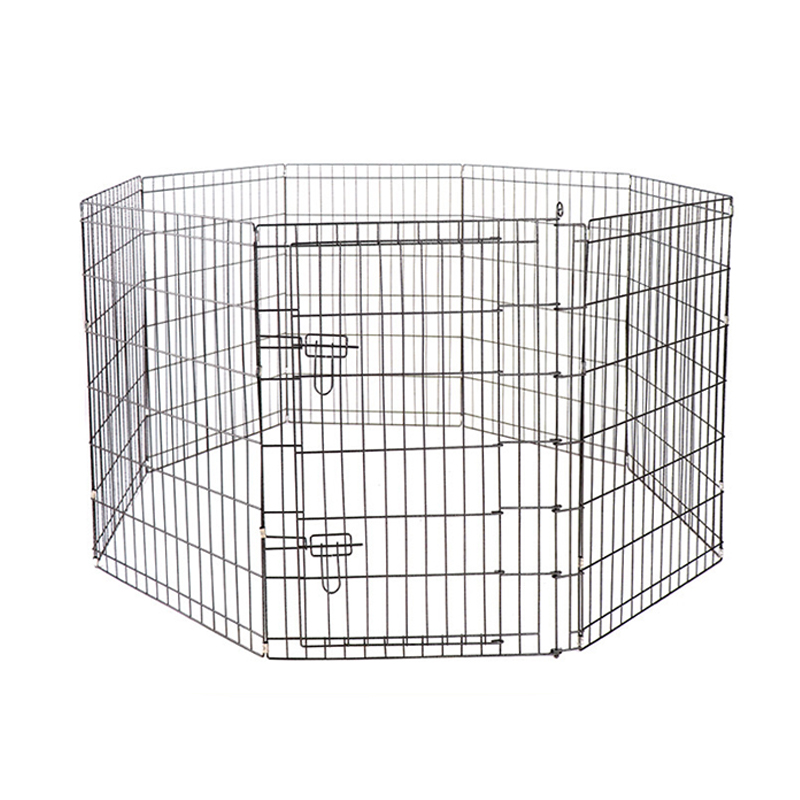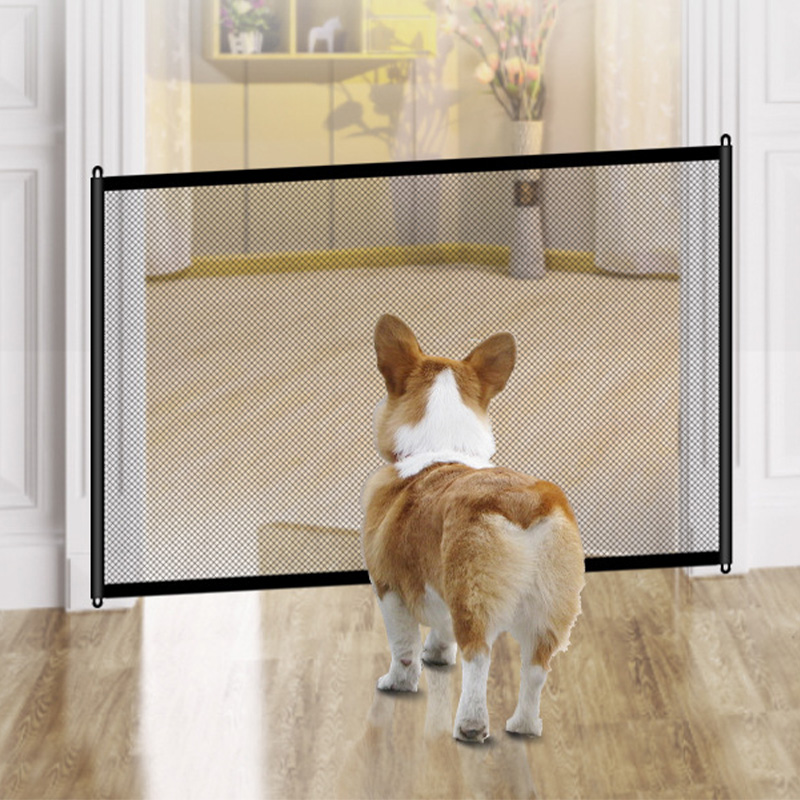



Creating a safe enclosure for rabbits, guinea pigs, ducks, puppies, and other pets often requires more than a simple barrier. A Small Animal Fence is commonly used to provide animals with a dedicated activity area while helping owners manage supervision and daily care more easily. As pet owners continue looking for flexible indoor and outdoor solutions, fence design features have become an important part of the purchasing process.
Different animals have different movement habits, and living environments can vary widely between apartments, gardens, and backyards. Because of this, many buyers compare fence height, material strength, portability, and weather resistance before selecting a fencing system.
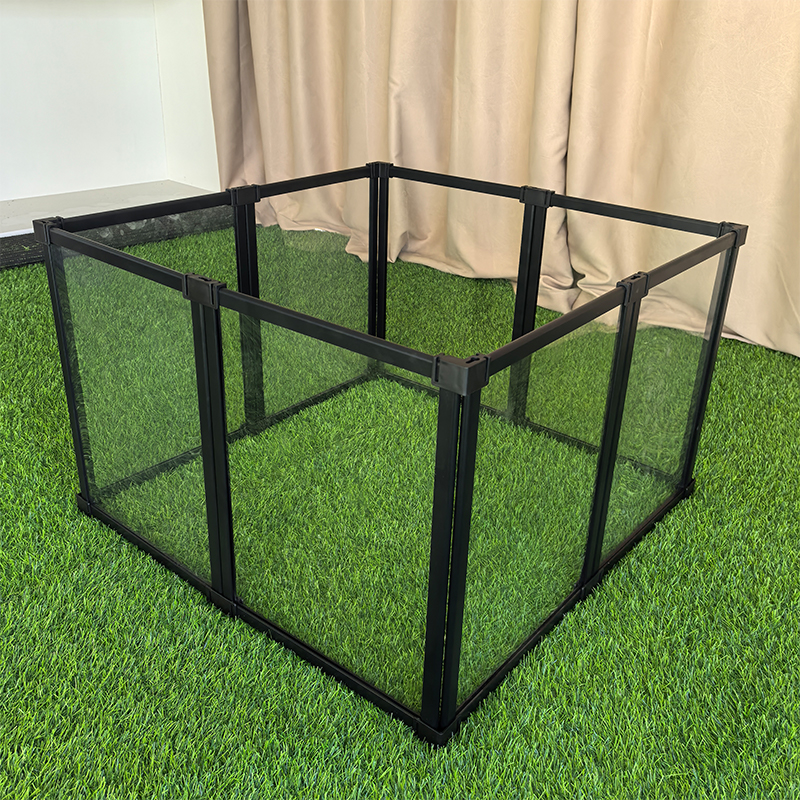
Fence Height and Overall Security
Fence height plays a major role in enclosure safety. Some small animals may jump higher than expected when excited or frightened. Rabbits, for example, often require taller barriers compared to guinea pigs.
A fence that is too low may allow pets to escape during outdoor activity sessions. Taller panels can provide additional containment while also helping reduce climbing attempts.
Secure panel connections are also important. Loose connections may create openings between fence sections, especially when animals push against the structure repeatedly.
Mesh Size and Gap Control
Mesh spacing is another important feature that affects enclosure performance. Wide openings may allow smaller animals to squeeze through gaps or get stuck between wires.
Narrower mesh spacing is commonly preferred for rabbits and guinea pigs because it helps improve containment while also reducing access from outside animals.
Some pet owners also choose enclosed lower panels near the bottom of the fence to help limit bedding scatter and digging behavior.
Anti-Dig Protection
Digging is a common concern for outdoor pet enclosures. Rabbits and some other animals may try to tunnel beneath fence edges if the ground is soft.
To address this issue, some fencing systems include:
- Extended lower mesh sections
- Ground stakes for stability
- Outward-facing bottom barriers
- Reinforced corner supports
These features can help improve fence stability while discouraging digging near the enclosure perimeter.
Weather Resistance for Outdoor Use
Outdoor fences are exposed to rain, sunlight, and changing temperatures. Because of this, material durability becomes an important consideration.
Rust-Resistant Coatings
Metal fences designed for outdoor use are often coated to help reduce surface wear caused by moisture exposure.
UV-Resistant Materials
Plastic panels and coated surfaces may gradually weaken under direct sunlight. UV-resistant materials are commonly used to support longer outdoor use.
Stable Ground Support
Outdoor fence systems often include stakes or anchors to help keep panels stable during windy conditions or active pet movement.
Ease of Installation
Many pet owners prefer fence systems that can be assembled without complicated tools. Simple installation may save time during setup and allow easier relocation when needed.
Tool-Free Assembly
Some modular fence panels connect using clips or simple locking systems. This can make setup more convenient for temporary or portable enclosures.
Expandable Layouts
Expandable fencing systems allow users to increase enclosure size by adding extra panels. This flexibility can be useful as pets grow or activity needs change.
Foldable Structures
Foldable fences are often selected for travel, camping, or temporary indoor setups because they can be stored compactly.
Portability and Storage
Portable fencing continues attracting attention among pet owners who regularly move enclosure areas around the home or yard.
Lightweight panels can simplify repositioning and cleaning. Foldable systems may also reduce storage space requirements when the enclosure is not being used.
Some outdoor fences are designed with removable panels so owners can adjust layouts depending on seasonal conditions or backyard arrangements.
Cleaning and Maintenance
Fence maintenance is another important factor for daily pet care.
Smooth plastic surfaces are often easier to wipe clean indoors, while coated metal panels may support easier outdoor washing. Replaceable panels and removable floor sections can also simplify enclosure maintenance over time.
Pet owners frequently look for fencing systems that balance cleaning convenience with structural support and long-term usability.
Changing Trends in Pet Enclosures
Modern pet spaces are increasingly designed to provide animals with more movement and interaction rather than relying only on compact cages. Because of this shift, fencing systems are becoming more flexible in both appearance and functionality.
Portable layouts, modular connections, and weather-resistant materials continue gaining attention among households looking for practical enclosure solutions. Fence selection now often focuses on safety, convenience, and adaptability for different indoor and outdoor environments.