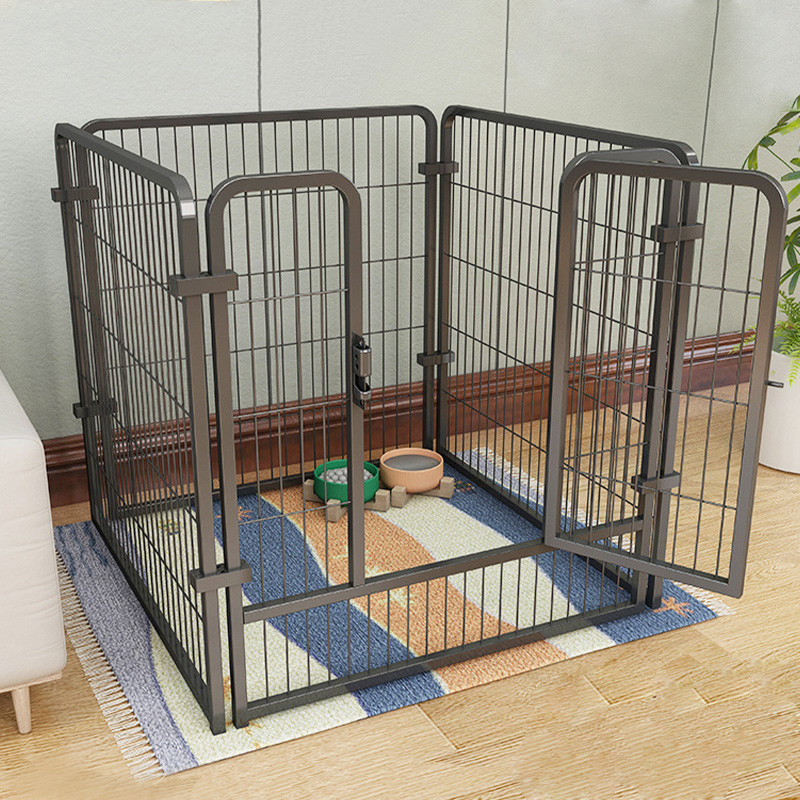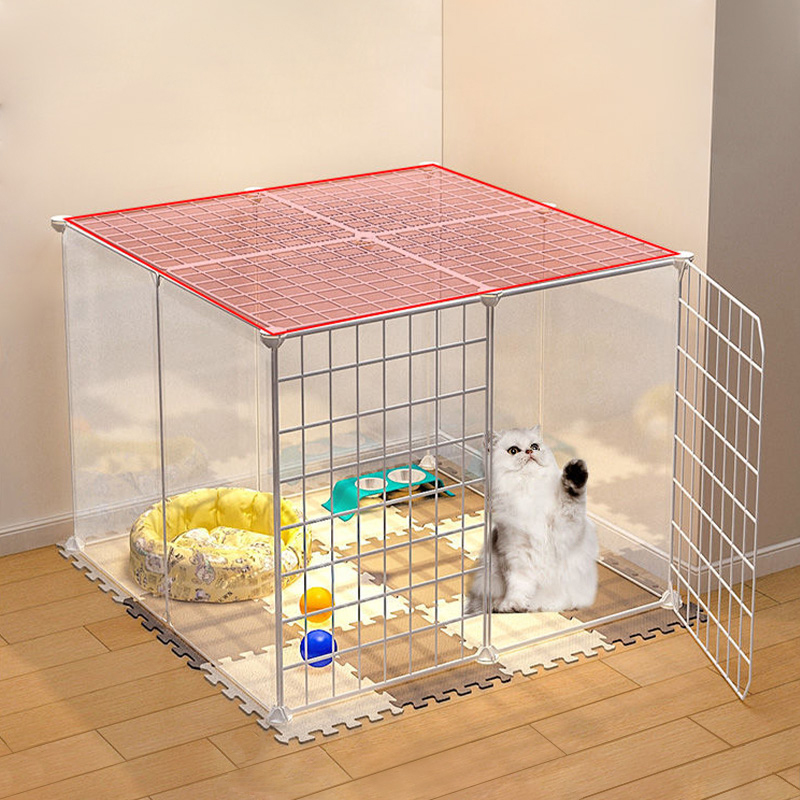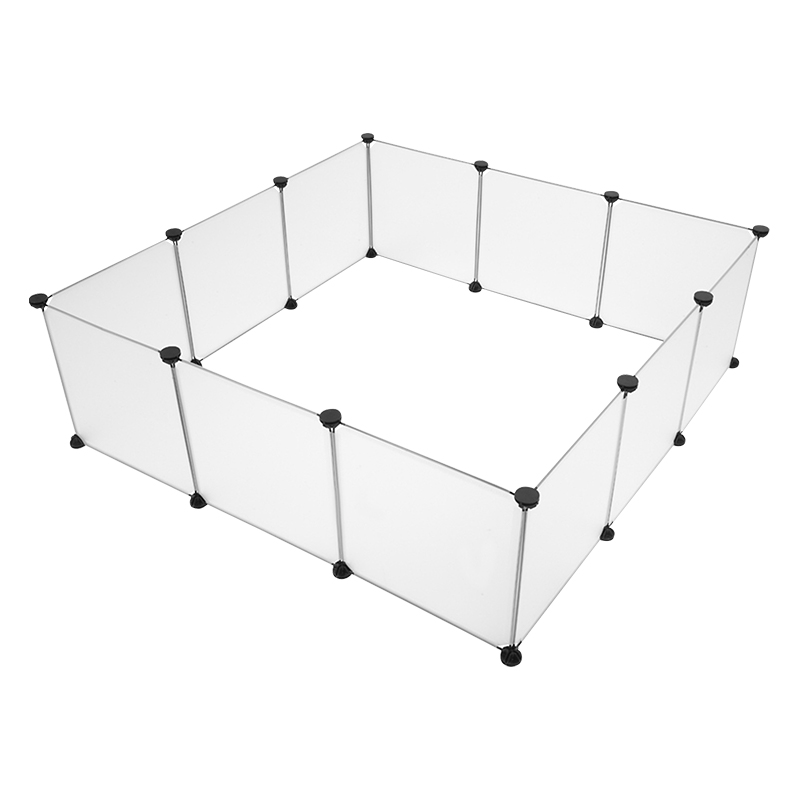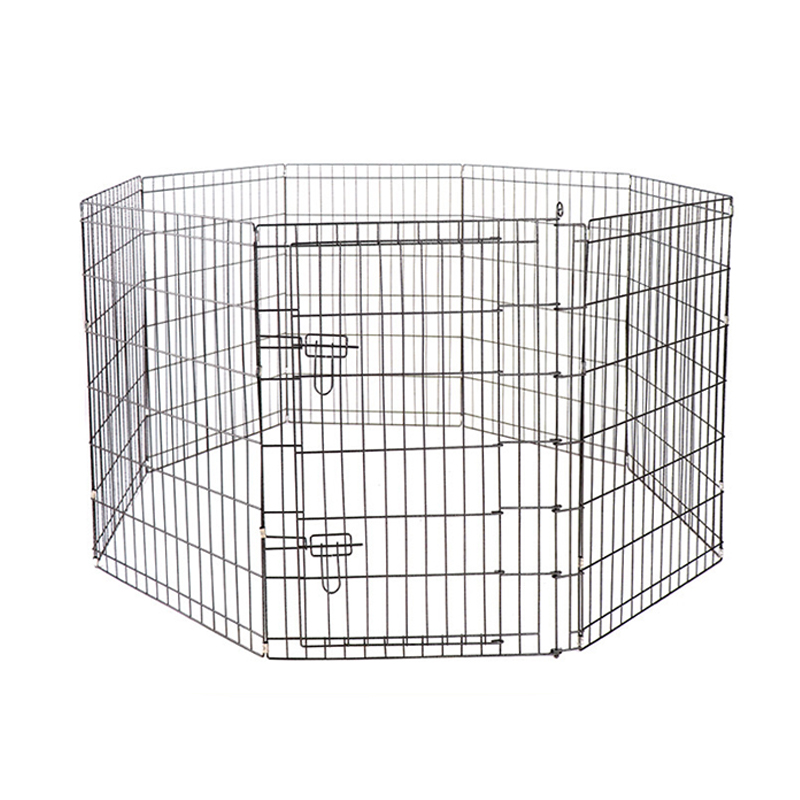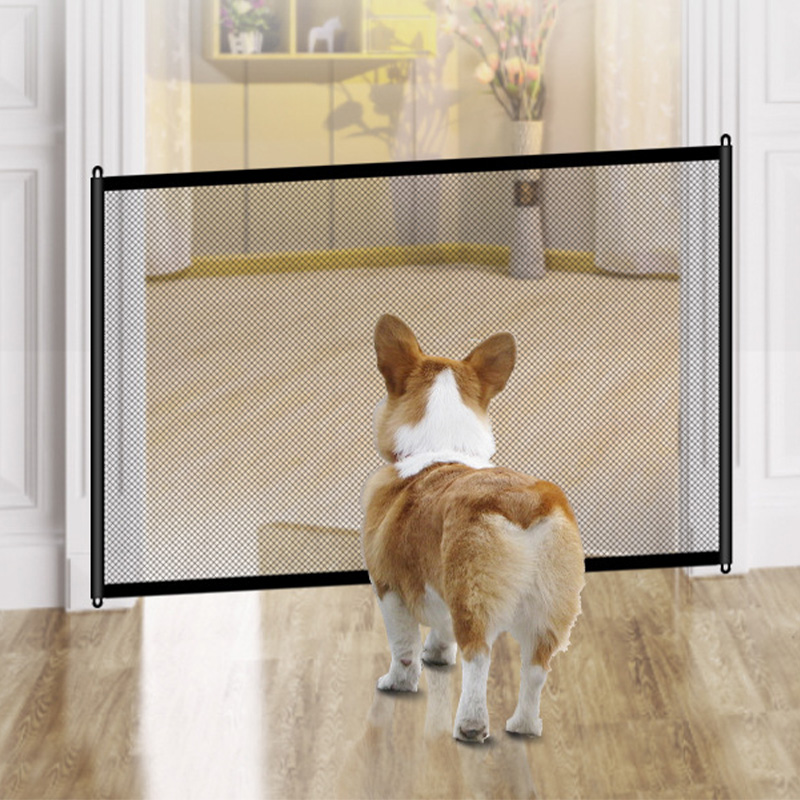



A Small Animal Fence plays an important role in maintaining pet safety and managing small animals in backyard spaces. Many pet owners and gardeners use these fences to create secure zones, ensuring that pets remain contained while preventing wildlife or other small creatures from entering restricted areas. Choosing the right design and following practical tips can significantly improve the enclosure's effectiveness.
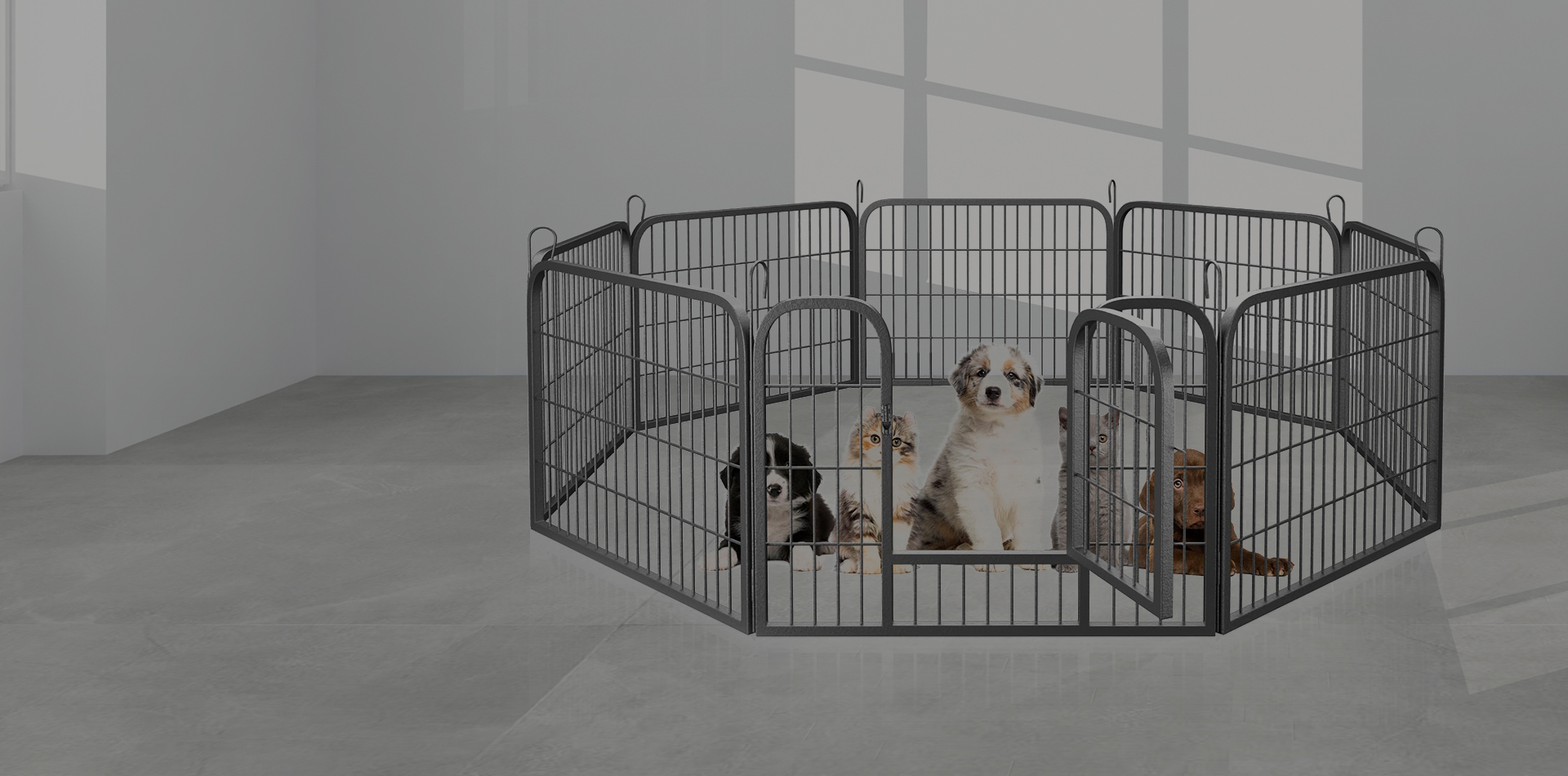
Prioritizing Safety in Design and Materials
The primary consideration for any enclosure is that the structure itself does not pose a risk. This means selecting materials without sharp, protruding edges that could cause injury. All fasteners, such as staples and screws, should be securely fastened and checked regularly. The fencing material must be robust enough to withstand pushing and leaning without collapsing or bending in a way that could trap an animal. Additionally, for pets that spend considerable time outdoors, the enclosure should offer areas of shade and consistent access to fresh water, positioned away from any plants that may be harmful if ingested.
Understanding Safety Needs
Before selecting or installing a fence, it is crucial to assess the types of animals involved. Household pets such as rabbits, guinea pigs, and small dogs may require different security measures compared to outdoor wildlife. Identifying potential escape routes or access points allows for a more targeted approach to securing the area.
Selecting Appropriate Dimensions
Fence height and mesh spacing are key factors. Small dogs or rabbits may be able to jump or squeeze through large openings, so adjusting the size of the mesh and height of the fence according to the animal's behavior is necessary.
Enhancing Protection Measures
Preventing animals from digging underneath the fence is essential. Extending the mesh below the ground or using stakes to stabilize the structure can prevent breaches. Reinforcing connection points and corners can also reduce the risk of animals pushing through weak areas.
Implementing Effective Containment Strategies
Different animals present distinct challenges, and a one-size-fits-all approach often leads to failure. For persistent diggers like rabbits and some breeds of dogs, a standard buried fence edge is frequently insufficient. A more reliable method involves creating an “L”-shaped apron underground. This is done by extending the wire mesh horizontally outwards from the base of the fence before covering it with soil, which effectively discourages digging directly at the fence line. For agile climbers and jumpers, such as cats and ferrets, height alone may not be a deterrent. Enclosures for these animals often require a fully covered top or a section of fencing at the top that angles inward, preventing them from gaining the leverage needed to climb over.
Regular Inspection and Maintenance
Security is an ongoing process, not a one-time installation. A routine inspection schedule is vital. This includes checking for signs of wear like rust, loose posts, or gaps created by weather or persistent animal activity, particularly around gates and the base of the fence. Equally important is the quality of life within the enclosure. For pets, a secure fence should enable a stimulating environment. Adding shelters, platforms, and safe toys can turn a simple pen into an engaging habitat, reducing stress and unwanted behaviors driven by boredom. This holistic view—where physical security meets behavioral needs—creates a truly successful and humane containment solution.
By understanding safety requirements, choosing suitable dimensions, reinforcing protective measures, and maintaining the fence, pet owners can ensure their animals remain secure while effectively managing small animals in the surrounding environment.