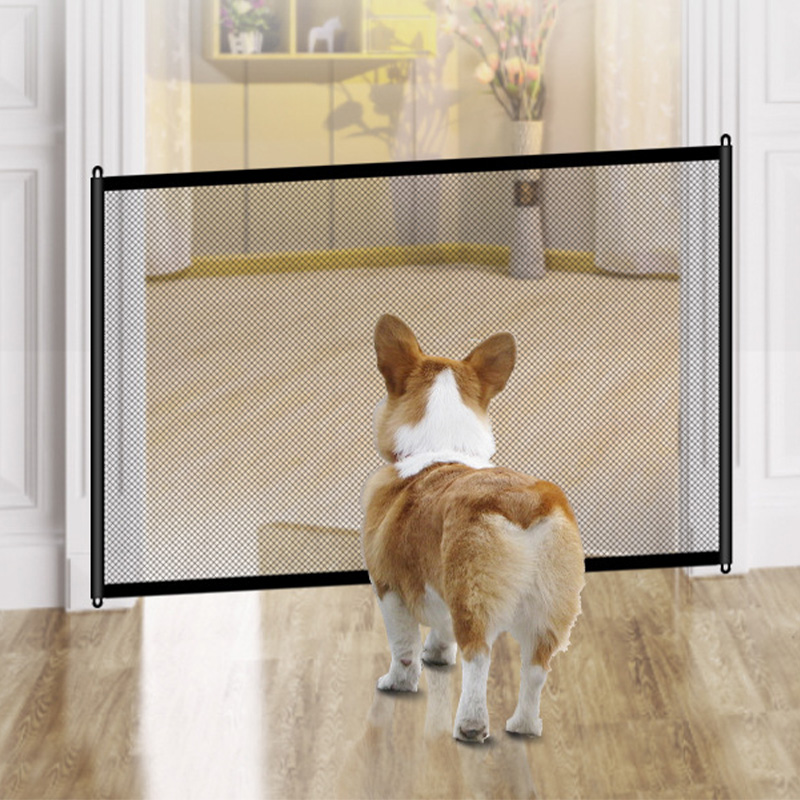



Many pet owners are paying more attention to outdoor activity areas for rabbits, guinea pigs, ducks, and other small animals. A Small Animal Fence can help create a safer space where pets can move around more freely while staying within a controlled area. Backyard fencing is no longer limited to simple wire barriers, as many households now look for practical designs that support daily pet care and outdoor safety.
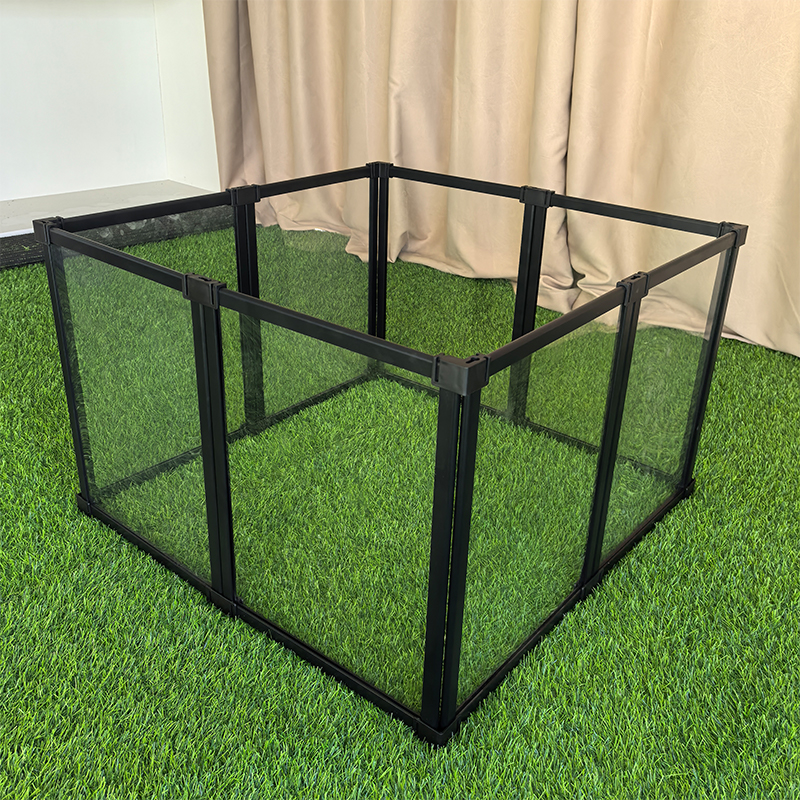
Outdoor enclosures can provide fresh air and additional exercise space, but they also introduce certain risks. Small animals may try to dig under fences, squeeze through openings, or climb over low barriers. In some locations, outdoor pets may also face threats from stray animals or wildlife. Because of this, fence design has become an important consideration for many pet owners.
Common Backyard Fence Designs
Different fence styles are used depending on the type of animal and the size of the yard.
Wire Mesh Fencing
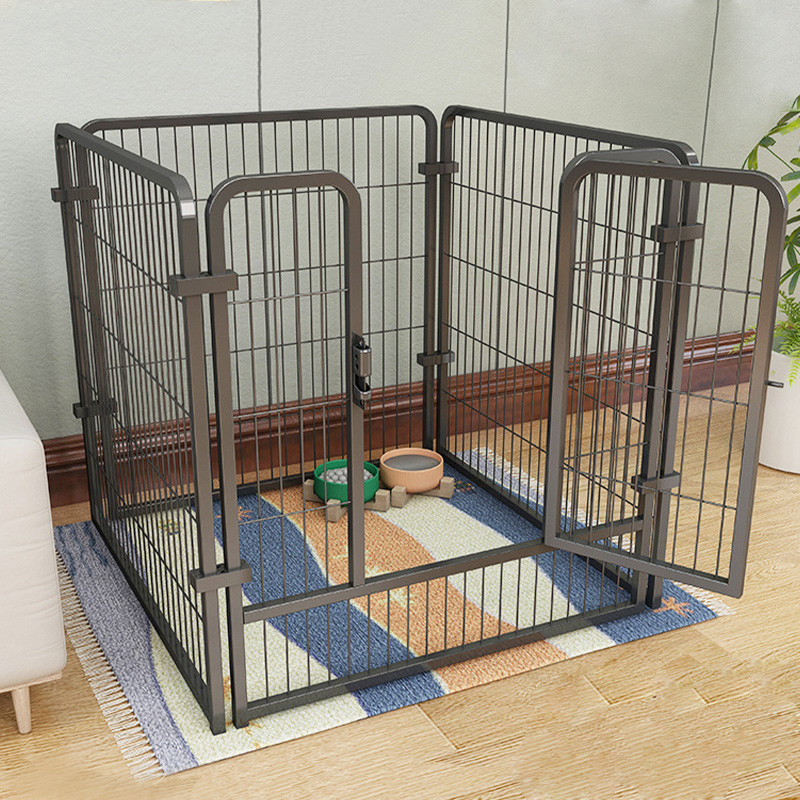
Wire mesh fencing is widely used for rabbits and chickens because it provides airflow and visibility while helping keep animals inside the enclosure. Smaller mesh openings are often preferred because they reduce the chance of pets slipping through gaps.
Modular Fence Panels
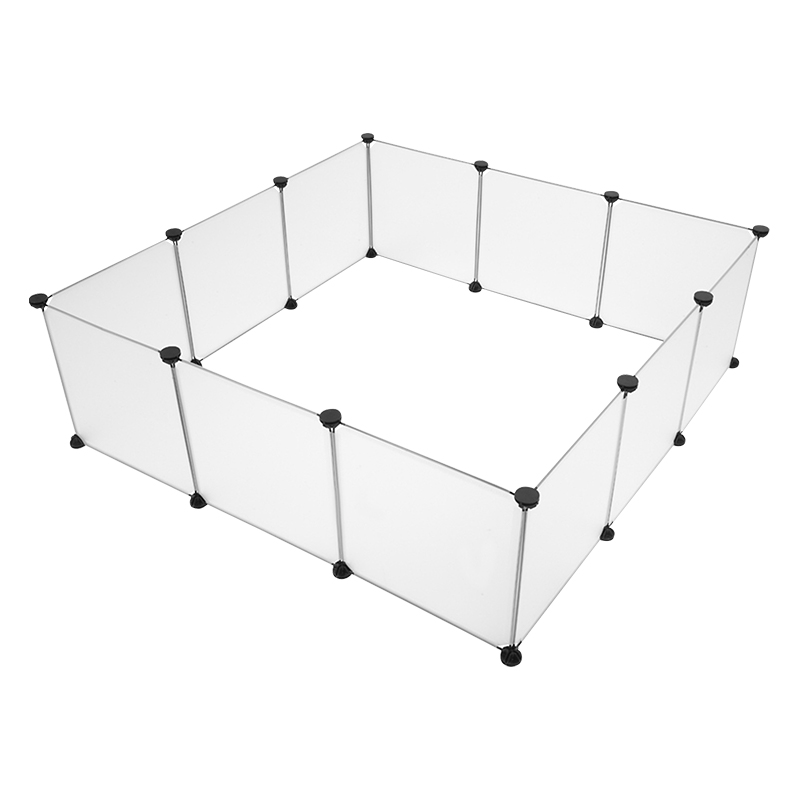
Modular fencing systems allow users to connect multiple panels to create different layouts. These systems are useful for backyards with limited space or unusual shapes. Some pet owners also prefer modular designs because they can expand the enclosure later if needed.
Foldable Portable Fences
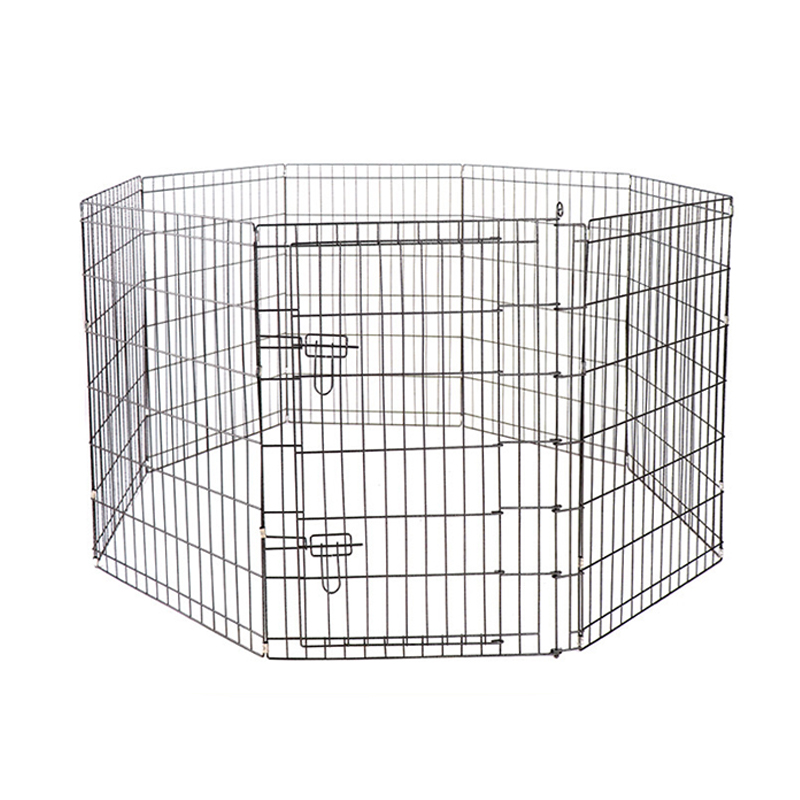
Portable fences are commonly used for temporary outdoor activity areas. Foldable designs can be moved around the yard and stored when not in use. This type of fence is often chosen for supervised playtime or seasonal outdoor setups.
Covered Fence Designs
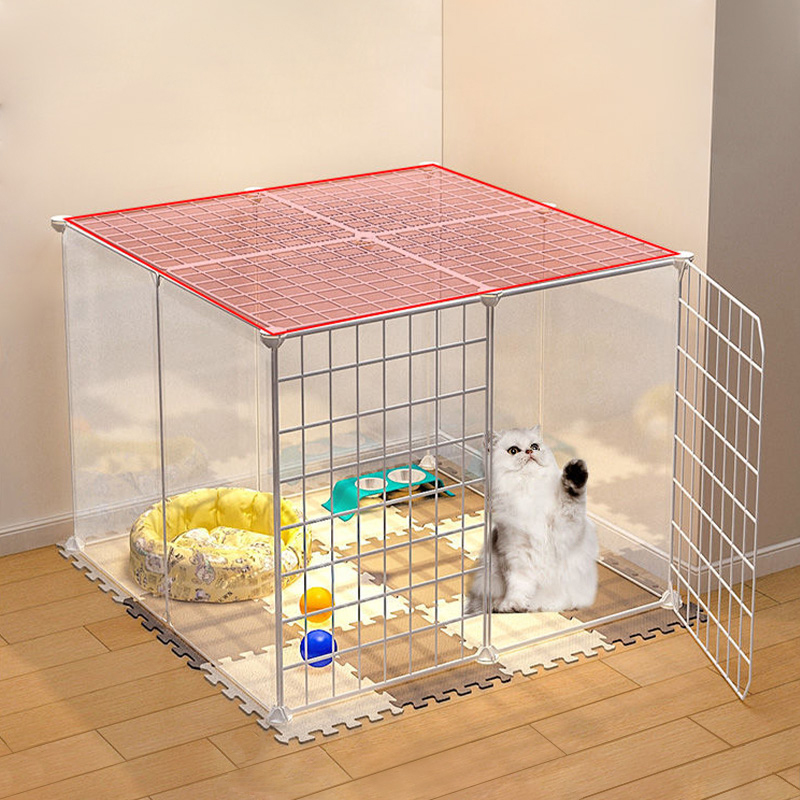
Some backyard enclosures include roof covers or netting. These designs may help prevent climbing animals from escaping while also offering protection from birds or direct sunlight.
Fence Height and Mesh Size
Fence height is one of the main factors that affect enclosure safety. Rabbits may jump higher than expected, especially when excited or frightened. Taller fences are often recommended for active animals.
Mesh spacing is also important. Large openings may allow smaller pets to squeeze through the fence. Narrower spacing can improve enclosure security and help reduce unwanted animal access from outside the fence.
Additional Safety Features
Many pet owners look for extra fence features that support outdoor use.
Anti-Dig Protection
Some fencing systems include lower mesh extensions or ground barriers to discourage digging near the fence line. This feature is especially useful for rabbits.
Ground Stakes
Ground stakes help keep fence panels stable during windy weather or when pets push against the enclosure.
Secure Access Doors
Fence doors should open easily for feeding and cleaning while remaining secure enough to prevent accidental escape.
Shade Areas
Outdoor enclosures may include shaded sections where animals can rest during warmer weather. Some owners also place small shelters inside the fenced area.
Choosing a Suitable Backyard Location
Fence placement can influence both maintenance and pet comfort. Flat ground is usually easier for installation because it helps reduce gaps beneath the fence. Areas with good drainage may also help prevent muddy conditions after rain.
Many households place outdoor enclosures close to the home so pets can be monitored more easily during the day.
Growing Interest in Outdoor Pet Spaces
Pet owners are increasingly creating outdoor exercise areas instead of relying only on traditional cages. Backyard fencing systems are now available in a wide range of styles, materials, and layouts to support different pet care needs.
Portable designs, coated metal panels, and expandable fence systems continue attracting attention because they offer flexibility for changing outdoor spaces. A carefully planned enclosure can help improve safety while giving small animals more room to explore and move comfortably outdoors.