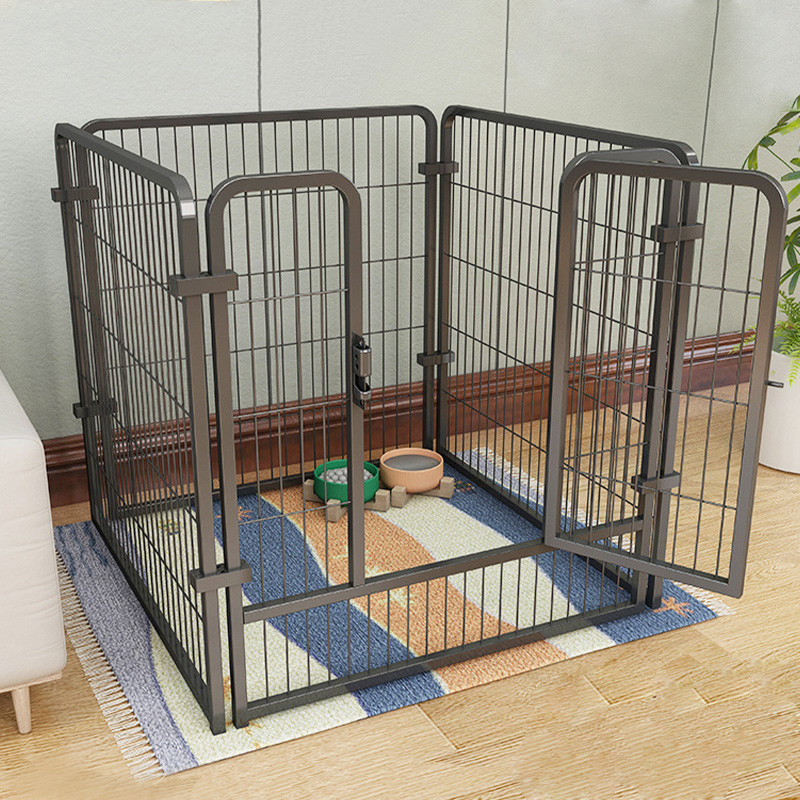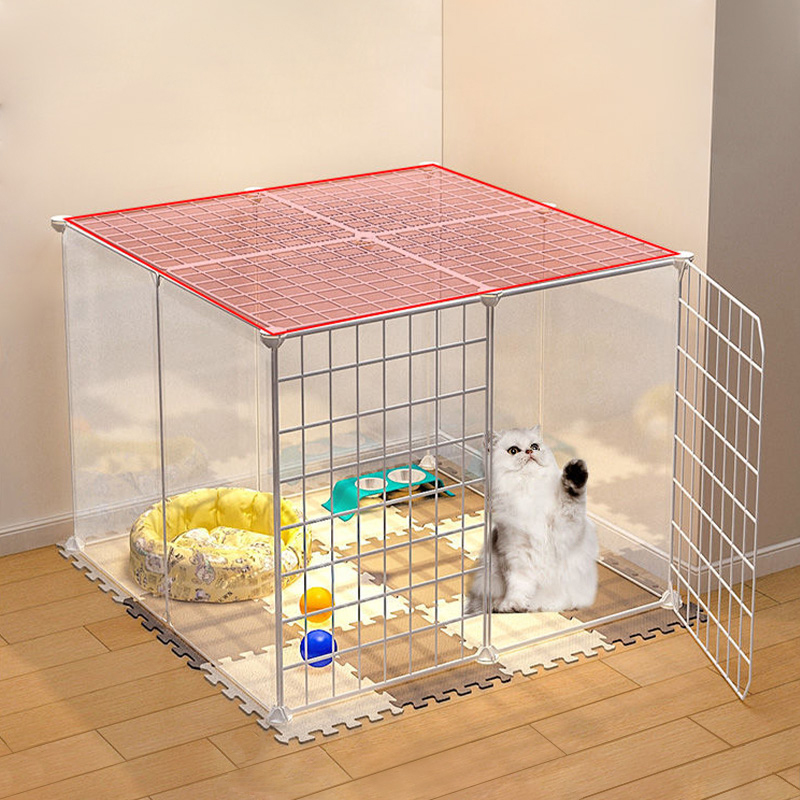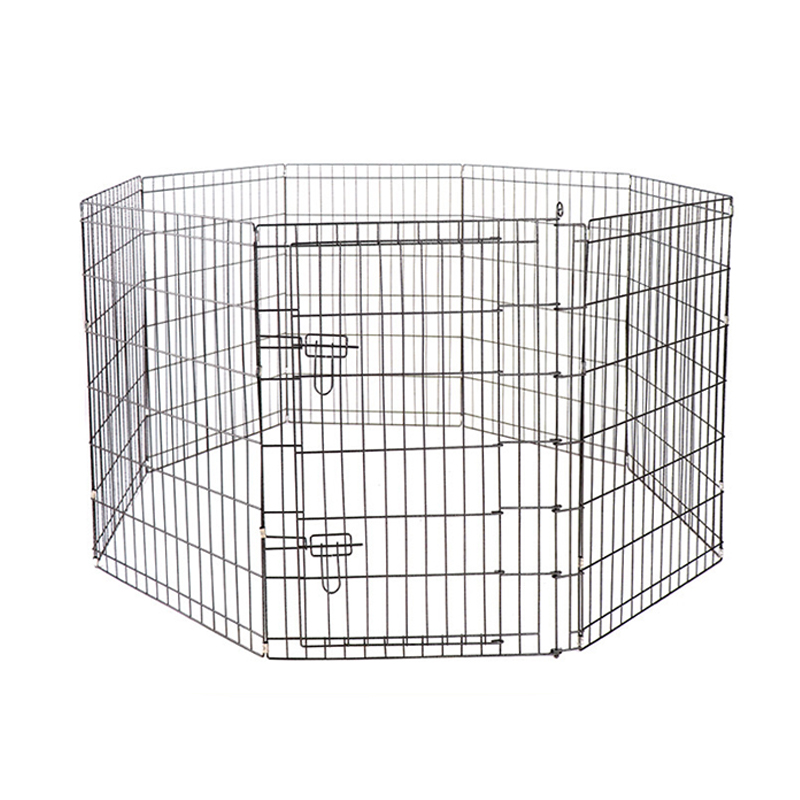



A pet tent can be a wonderful resting space for your dog or cat, but not all tents provide the same level of comfort and safety. Some look attractive but lack proper ventilation, while others use materials that may not be ideal for an animal that likes to chew or scratch. Knowing which features matter most helps you choose a tent that keeps your pet happy and healthy.
Ventilation: More Than Just a Mesh Window
Good airflow is necessary for any enclosed space where an animal spends time. Without enough ventilation, heat and humidity build up, and the air can become stuffy. Look for tents that have mesh panels on at least two sides. Ideally, there should be a mesh window on the front, one on the back, and perhaps a small opening near the top. This arrangement allows air to move through the tent, carrying away warm breath and moisture. During warm weather, a tent with large mesh areas stays noticeably cooler than one with only a tiny window. Some tents also have a roll‑up front door that converts to a mesh screen, giving you flexibility.
Non‑Toxic Materials: A Hidden Safety Factor
Pets may lick or nibble the fabric of their tent, especially when they are anxious or bored. If the material contains certain chemical treatments, this habit could be a health concern. Look for tents that state they use dyes and finishes that meet general safety guidelines. Fabrics like untreated cotton or polyester without heavy chemical coatings are safer choices. Avoid tents that have a strong chemical smell when you open the package; that odor often indicates volatile compounds that will off‑gas over time. Washing the tent before first use (if the instructions allow) can reduce any residues.
Slip‑Resistant Floor: Preventing Accidents
A tent that slides across the floor every time your pet moves can be annoying and even unsafe. A dog that jumps into a sliding door might knock it into a piece of furniture. Check the bottom of the tent. Many good designs have a separate floor layer made of thicker material with a textured surface. Some use a coating that grips the floor. For outdoor use, a tent with a waterproof bottom also prevents moisture from seeping up from the ground. If your tent’s floor is slippery, you can place a non‑slip rug or a yoga mat underneath to hold it in place.
Comfortable Interior Padding
The tent’s floor padding makes a big difference in how much your pet enjoys using it. A thin sheet of nylon over hard ground is not inviting. Most tents come with a removable cushion or mat. Check that this cushion is thick enough to provide a soft surface, especially for older pets with joint issues. The cushion should be easy to remove for washing because fur, dirt, and occasional accidents will happen. Some cushions have a water‑resistant liner, which is helpful for young pets or those with bladder control challenges. If the tent you like has a thin pad, you can add a small blanket or a separate pet bed inside.
Secure Zippers and Escape Prevention
A tent that your pet can open from the inside defeats the purpose of keeping the animal contained. Look at the zipper design. Two zipper pulls that meet in the middle can be clipped together with a small carabiner or a twist tie. This simple addition prevents a clever cat or dog from pawing the zipper open. Also, examine the stitching around the zipper track. Strong, even stitches with no loose threads indicate better quality. For dogs that scratch at the door, a zipper cover (a flap of fabric over the zipper) protects the teeth from damage.
Structural Stability for Active Pets
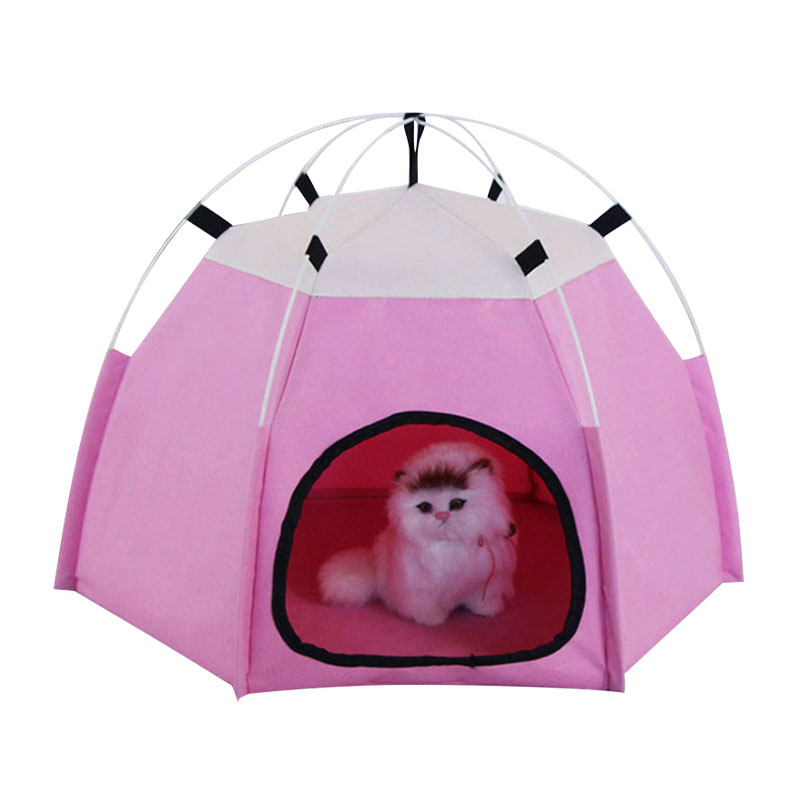
Even a calm dog may lean against the tent walls or jump inside excitedly. The tent should not collapse under normal use. Poles made of fiberglass or aluminum offer a good balance of strength and weight. Steel poles are stronger but heavier. Check how the poles attach to the fabric. Sleeves that fully enclose the poles distribute pressure evenly. Some tents use external clips; these are fine but may pop off if the pet pushes hard. For a very active dog, a tent with a rigid frame design (like a small dome tent with crossing poles) provides more resistance to pushing.
Seasonal Adaptability
While no single tent works for all weather conditions, you can look for features that extend its usable range. In summer, large mesh areas and a light‑colored exterior reflect heat. In winter, a tent with a full fabric cover (not just mesh) and a thicker floor pad retains warmth. Some tents have a removable rainfly or an extra insulating layer. If you live in an area with varied seasons, consider buying a tent that allows you to close up the mesh windows with zippered fabric panels. This way, you can adjust ventilation as needed.