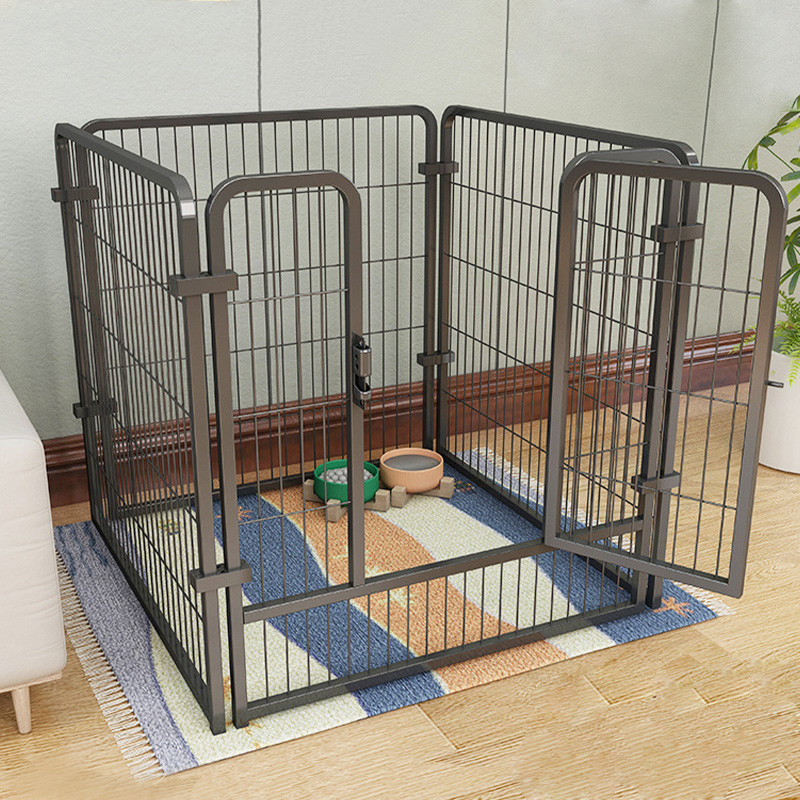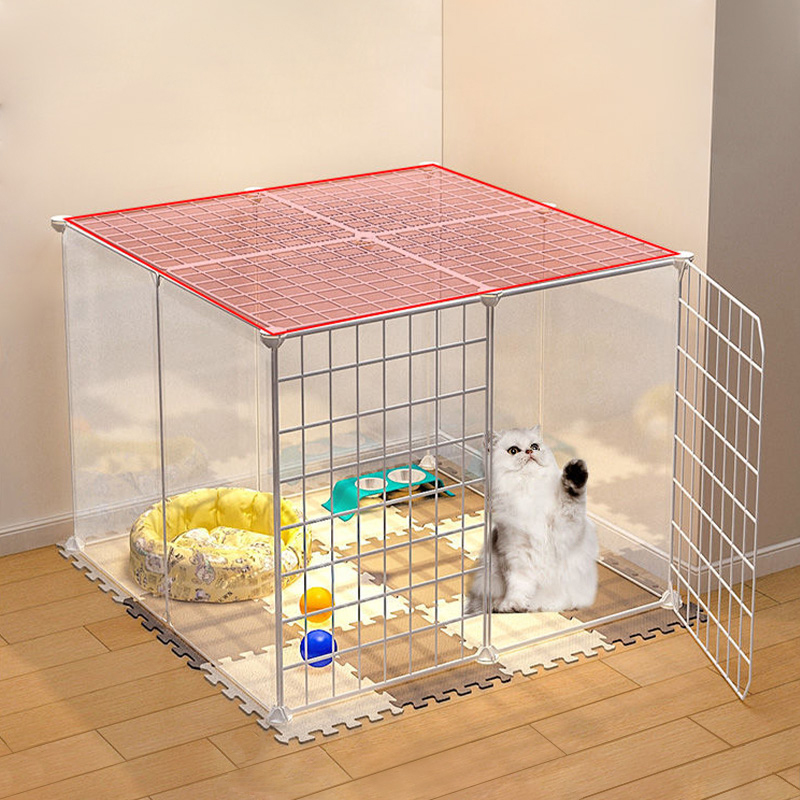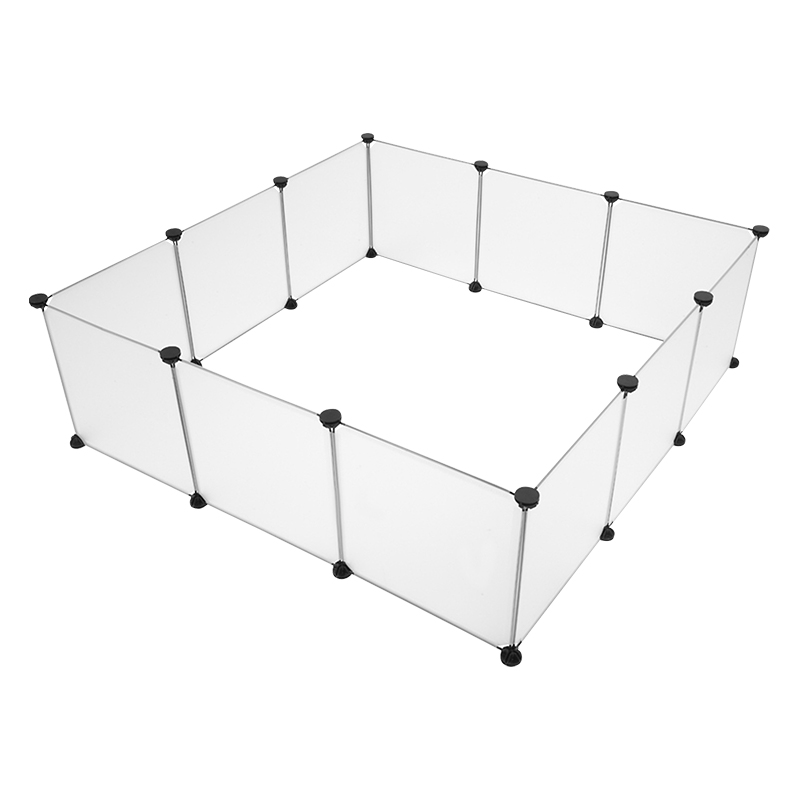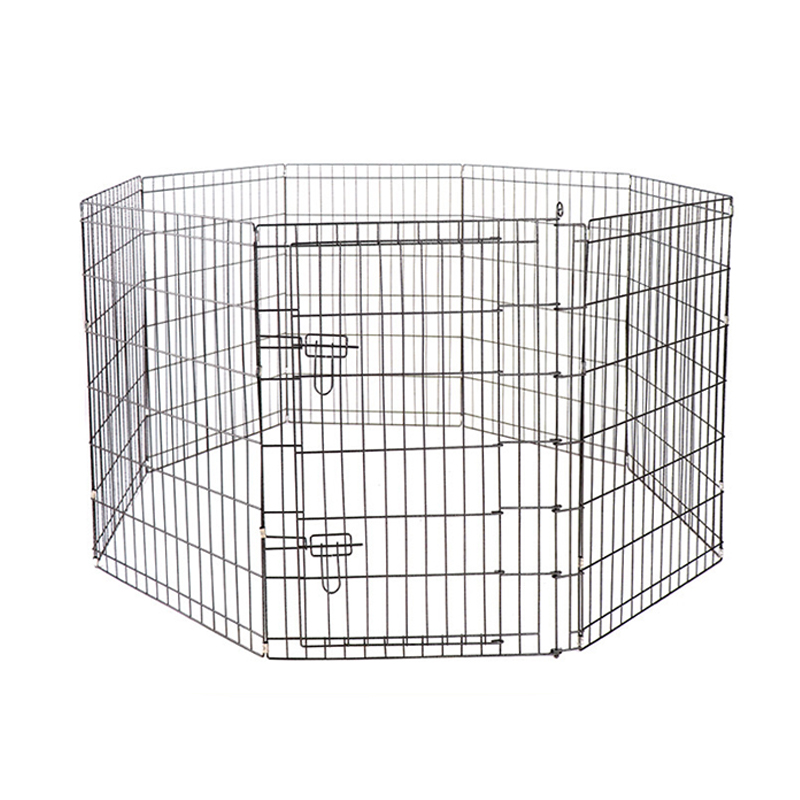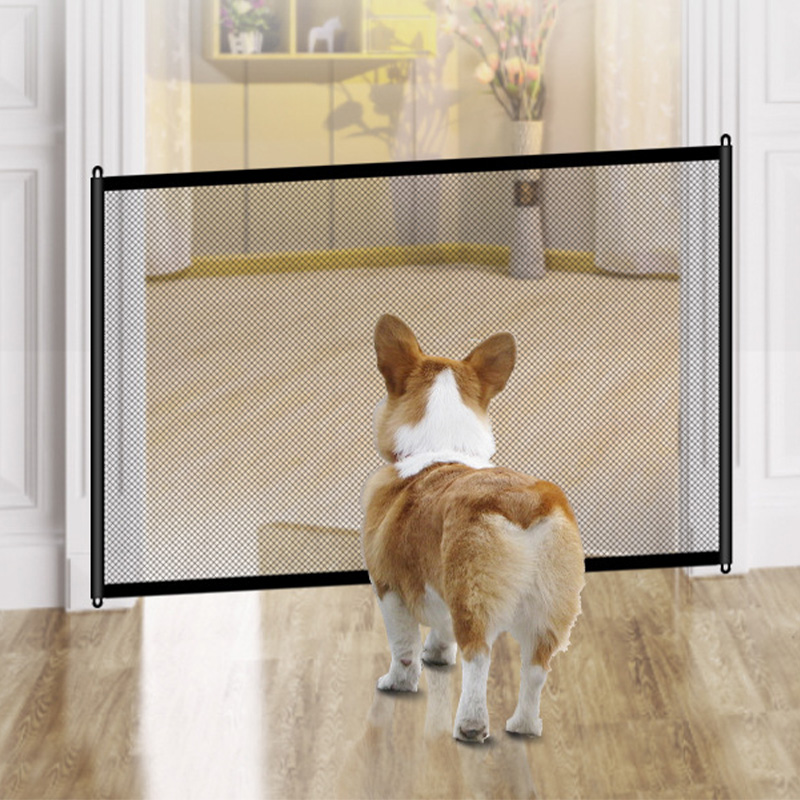



During warm weather, insects can ruin pleasant outdoor moments with your pet. Mosquitoes, flies, and other biting bugs annoy animals and may carry diseases. A pet tent with ample mesh panels protects your dog or cat while letting fresh air flow freely, creating a bug‑free zone where your pet rests without repellents or swatting flies.
How Mesh Panels Work to Keep Bugs Out
Mesh fabric has tiny interlocking threads with openings too small for most insects. Fine mesh (small holes) blocks midges and no‑see‑ums, while coarser mesh stops larger flies and mosquitoes. For general use, mesh with holes under one millimeter works best. Usually made of polyester or nylon (more tear-resistant than cotton), fully zipped mesh tents keep insects out while allowing unobstructed airflow.
The Role of Air Circulation in Pet Comfort
Stale, warm air makes animals restless. Closed solid tents heat up quickly in the sun, but mesh panels enable cross-ventilation. Mesh on opposite sides lets breezes pass through, carrying away body heat. Even without wind, natural convection works: warm air rises out of the top mesh, drawing in cooler air from lower openings, keeping the interior fresher than hard-sided carriers.
Choosing the Right Mesh Density
When comparing tents, hold the mesh up to the light—large gaps let tiny insects through. High-density mesh (like sheer curtains) offers better protection but may slightly reduce airflow, so balance is key. Medium-fine mesh suits most camping/backyard use; in areas with tiny biting insects (e.g., sandflies), prioritize the finest mesh available.
Using the Tent Outdoors During Bug Season
On summer campground evenings, mosquitoes appear—place your dog in the zipped mesh tent to keep them safe while they see you. For cats, a tent on a picnic table lets them observe without exposure to fleas/ticks in the grass. Always place the tent in shade (direct sun heats interiors), and a solid roof panel adds better sun protection.
Indoor Use to Keep Flies Away
Mesh tents aren’t just for outdoors. With open doors/windows, flies bother sleeping pets—set a tent in a living room corner for a fly-free retreat. Mesh maintains visibility, reducing separation anxiety, and is ideal for pets recovering from illness/surgery, also keeping other household pets at bay.
Durability Concerns with Mesh
Mesh is strong but vulnerable to sharp claws/teeth. Cheap mesh may tear if cats claw at it—look for reinforced mesh with a high denier rating or double-layer mesh at stress points. For dogs that paw doors, tents with lower solid panels and upper mesh are more durable. Inspect mesh regularly and repair small holes promptly with a patch kit or glue.
Cleaning Mesh Panels
Mesh collects dust, pollen, and debris over time. Clean with a soft brush or vacuum brush attachment; for deep cleaning, hand-wash with mild soap and air-dry. Avoid stiff brushes (they enlarge holes). Stretched or large tears make the tent ineffective—replace it or sew a mesh patch over the damage.
Combining Mesh with Other Features
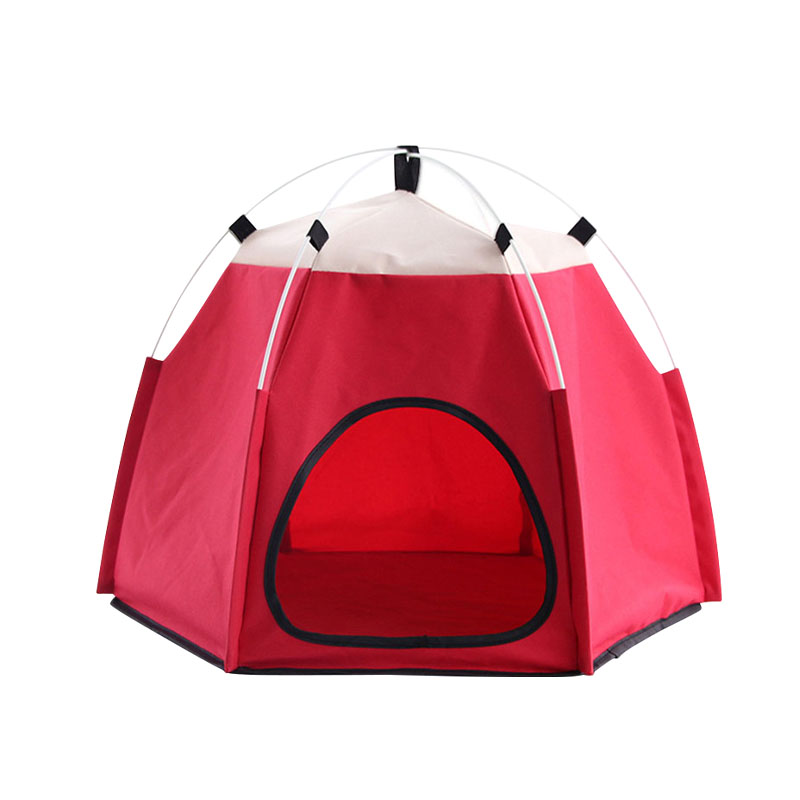
A good bug-proof tent includes extra features: a bathtub-style floor (sides rise a few centimeters) blocks crawling insects; a zipper flap prevents tiny bugs from squeezing through the teeth; some have a top hook for a battery-powered fan to boost airflow on still days.
When to Use a Mesh‑Panel Tent vs. a Solid Tent
Solid tents retain heat better in cool/cold weather; mesh tents are ideal for bug season. For all-season use, a convertible tent with removable mesh windows offers flexibility—expose mesh when bugs are present, zip closed when cold. It costs more but delivers year-round value.
Final Thoughts on Bug Protection
A well-designed mesh pet tent lets you and your pet enjoy the outdoors without bug irritation. Fresh air keeps pets comfortable, and clear mesh reduces anxiety. Choose a durable, fine-mesh tent with good ventilation for a backyard, park, or camping sanctuary—your pet will reward you with relaxed naps and happy tail wags.