


Having an airline pet carrier that meets all requirements is a necessary step, but ensuring your pet remains calm inside it is another matter altogether. The moments of transition—being placed in the carrier, moving through space, encountering new environments—are often when anxiety peaks. Fortunately, some methods and techniques can help soothe your pet and make these experiences more manageable. These approaches focus on preparation, environmental management, and building positive associations around the carrier itself.
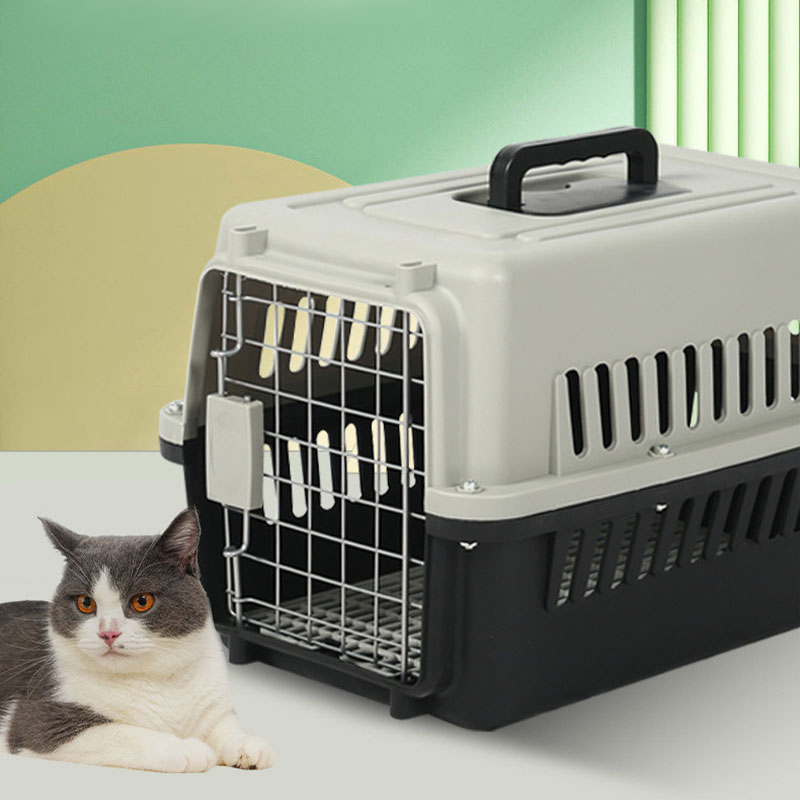
Setting the Stage for a Calm Departure
What happens before you even leave the house can set the tone for the entire outing. One effective technique involves using scent to promote relaxation. Synthetic pheromone sprays or wipes designed for cats or dogs can be applied to the bedding inside the carrier about thirty minutes before departure. These products mimic natural calming pheromones. For some pets, a drop of a gentle essential oil like lavender on a cloth near (not inside) the carrier may have a soothing effect, though it’s important to ensure your pet does not have a sensitivity to it.
Another useful tool is a visual barrier. A lightweight, breathable cloth that can be draped over a portion of the carrier serves multiple purposes. It can reduce overwhelming visual stimuli during a car ride or in a busy airport, creating a dimmer, more enclosed space that feels safer, particularly for cats. It also provides a degree of privacy that can prevent unintended interactions with strangers, which helps your pet avoid feeling on display when they may prefer to be left alone.
Managing the Sensory Experience in Transit
The sounds and motions of travel are common sources of stress. You can address auditory anxiety by playing calming soundscapes. Music composed with specific tempos and frequencies for animals, or simple white noise like soft static or rainforest sounds, can be played at a low volume in the car or from a personal device. This audio buffer helps mask startling external noises such as traffic horns, airport announcements, or the hum of airplane engines, allowing your pet to remain more relaxed.
How you physically handle the carrier also sends a direct message to your pet. Moving with intention—lifting the carrier smoothly, avoiding abrupt swings, and setting it down gently—communicates stability. Speaking to your pet in a calm, steady, and reassuring tone of voice throughout the process can be beneficial. Your voice is a familiar anchor, and maintaining your own composure helps prevent your pet from mirroring any nervous energy you might be feeling.
Building Long-Term Positive Associations
Beyond managing single trips, you can work on shaping your pet’s overall feelings about travel. Develop a consistent post-trip ritual that your pet can anticipate. After every carrier outing, even a short visit to the vet, offer a special reward. This could be a favorite treat, a longer play session with a beloved toy, or simply quiet cuddle time. This practice helps create a narrative where time in the career is followed by something enjoyable, shifting their focus from the journey to the positive outcome.
This method extends to minimizing your own observable anxiety. Pets are adept at reading human body language and tone. By consciously slowing your movements, taking deep breaths, and maintaining a relaxed demeanor around the carrier, you model calm behavior. Your pet is more likely to interpret the situation as routine and non-threatening if you are acting as though it is. Your confidence becomes a key component of their own sense of security.
Implementing these techniques requires observation and patience, as each pet will respond differently. The consistent theme is proactive care—addressing potential stressors before they escalate and intentionally linking the airline pet carrier with feelings of safety and reward. Over time, these tricks can transform travel from a series of stressful events into a predictable and even peaceful art of life with your pet. The goal is a companion who feels secure, not because the world is never loud or new, but because they have a trusted place and a trusted person beside them.