


The process of choosing an airline pet carrier involves more than checking size regulations. For cat and small dog owners, understanding the distinct needs of these different companions is central to making a good choice. While an airline pet carrier must meet specific travel requirements, the ideal model for a cat often contrasts with one suited for a small dog, due to their unique behaviors and instincts. Focusing on these differences helps create a travel experience that supports each pet’s comfort.
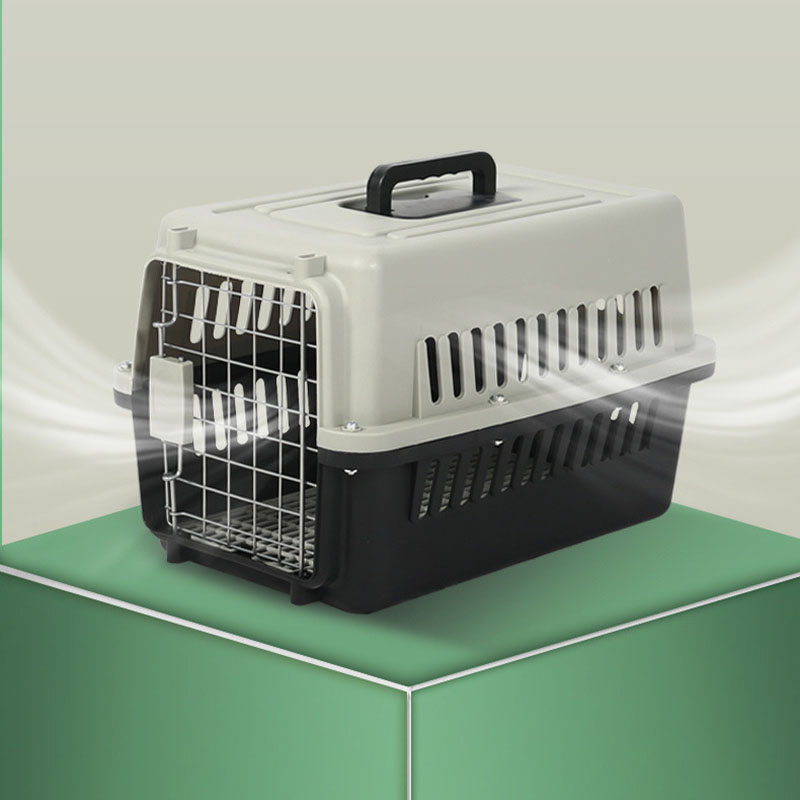
Prioritizing Security for Feline Friends
Cats typically seek security and an ability to hide when faced with stress. For them, a carrier that offers a sense of enclosure and privacy is often preferable. Carriers with a solid, structured frame and limited mesh on the top can create a more den-like atmosphere that feels safer than a fully soft-sided, flexible model. The solid walls provide a barrier against external stimuli, which can help a cat feel less exposed and vulnerable during movement.
Ventilation and interior details are also significant considerations for cats. Look for carriers with multiple well-placed mesh panels to ensure a steady flow of air without compromising the sense of shelter. The interior should feature a removable, washable liner, as cats may salivate or have accidents when nervous. Easy access through a top or wide front opening helps place a hesitant cat inside gently and allows them to be examined by a veterinarian without being fully removed, which can reduce their stress.
Addressing the Preferences of Small Dogs
Small dogs often have different priorities than cats, frequently showing more interest in observing their surroundings. For many small breeds, a soft-sided airline pet carrier with ample mesh windows on multiple sides can be a good fit. This design allows them to satisfy their curiosity by watching what’s happening outside, which can prevent feelings of isolation. A reliable leash clip inside the carrier is a useful safety feature for securing a harness during check-in or upon arrival.
The construction of the carrier should support a small dog’s tendency to shift positions and sometimes stand. A firm, padded bottom that doesn’t sag is important for joint support and comfort during longer periods inside. For energetic dogs, carriers that offer a safe, zippered expansion option can provide a welcome chance to stretch out in secure environments like a hotel room, adding to the carrier’s overall utility. Durable, scratch-resistant fabric is also a practical feature for canine companions.
Shared Foundations for a Good Choice
Despite their different needs, both cats and small dogs require a carrier that first and foremost complies with airline policies for cabin travel. Carefully review the specific dimensions, including height, length, and width, required by the airlines you use most frequently. The carrier’s weight is another shared factor; a lighter model is easier for you to carry, which indirectly benefits your pet through smoother handling.
Finally, consider the design elements that affect your own ease of use. Comfortable carrying handles, the option of a shoulder strap, and straightforward cleaning access are features that make consistent use more practical. If possible, allow your pet to investigate a new carrier at home before a trip. Observing whether they choose to enter it willingly or show signs of avoidance can provide valuable insight into whether a particular design aligns with their comfort.
Selecting an airline pet carrier is an exercise in understanding perspective—seeing the world through your pet’s eyes. By recognizing that a cat might value a hidden perch while a small dog might prefer a viewing booth, you can guide your selection toward a product that doesn’t just meet travel rules, but actively contributes to your pet’s sense of well-being on the move. This thoughtful approach lays the groundwork for smoother journeys ahead.