


Selecting the right equipment is a key part of responsible pet ownership, and a capable airline pet carrier is a central piece of that toolkit. Its design, built to meet specific travel regulations, also makes it a remarkably adaptable resource for a variety of settings. Understanding how to use it effectively in different environments can significantly improve your pet’s sense of security and your own peace of mind. This guide offers practical suggestions for utilizing your carrier at home, in the car, and during outdoor excursions.
Creating a Positive Home Environment
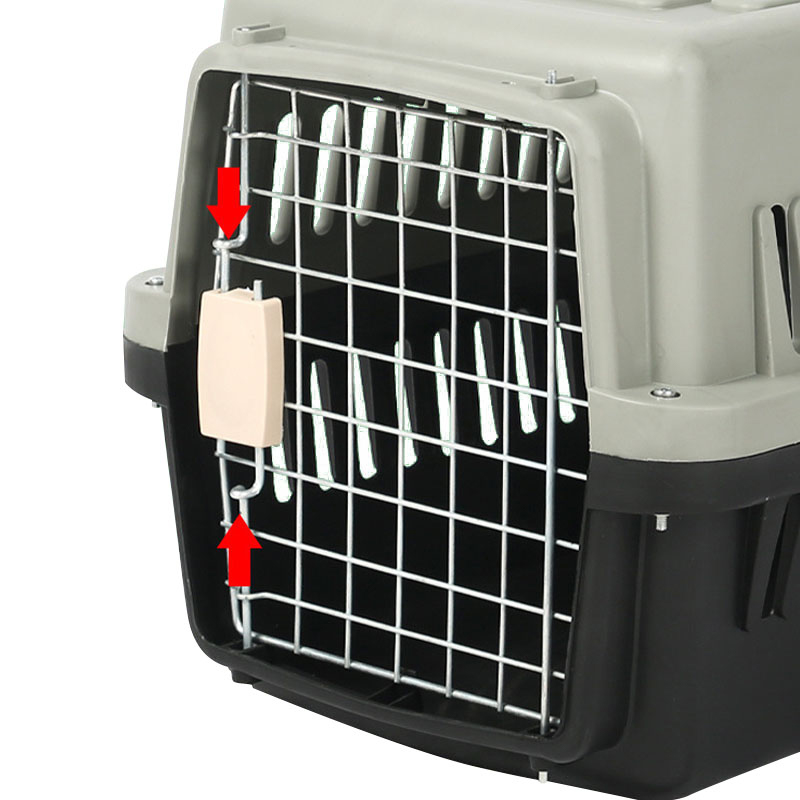
The relationship your pet has with their carrier is formed long before any journey begins. At home, placement is important. Position the carrier in a quiet, low-traffic area where your family spends time, such as a corner of the living room. Avoid placing it near loud appliances, heating vents, or drafty doorways. An inviting setup, with a cozy bed inside and the door removed or fastened open, encourages your pet to explore and use the space for naps and quiet time.
Engage your pet with the carrier through positive interaction. Turn it into part of playtime by hiding their favorite treats inside, encouraging them to enter willingly to find the reward. You can also place a puzzle toy filled with kibble at the back of the carrier. These activities build a mental association where the carrier is linked to fun and discovery, not just confinement. This foundational work at home is what transforms the carrier from a simple object into a recognized personal space for your pet.
Ensuring Safety and Calm on the Road
When traveling by car, an airline pet carrier provides a structured and secure environment. The most important rule is to always secure the carrier itself. Use the vehicle's seatbelt, threaded through the handle or a dedicated strap on the carrier, to prevent it from sliding or tipping during turns or sudden stops. This protects your pet from injury and keeps them from becoming a dangerous distraction to the driver.
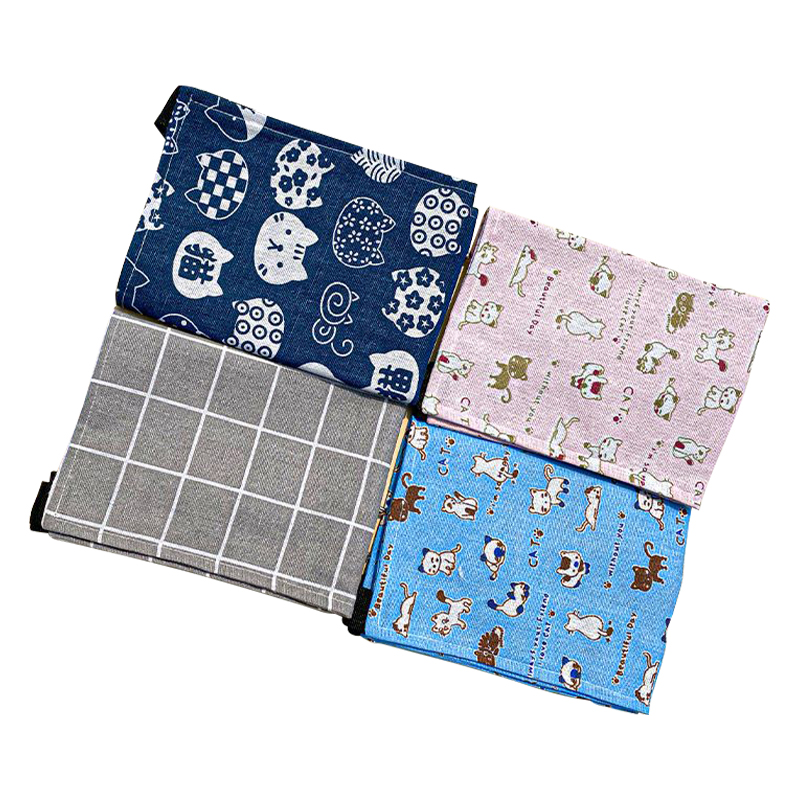
Managing the environment inside the car is also helpful for your pet’s comfort. Be mindful of temperature, ensuring the air conditioning or heating is set to a comfortable level, and use sunshades on windows to prevent the carrier from becoming too warm from direct sunlight. For pets that become overstimulated by passing scenery, a lightweight, breathable cloth draped over part of the carrier can create a dimmer, less visually busy space that helps them settle more easily for the duration of the ride.
Navigating the Wider World Together
An airline pet carrier can be incredibly useful during outdoor adventures to parks, patios, or on errands. In these open or semi-public spaces, the carrier acts as a movable saven. It gives your pet a designated spot to observe their surroundings without being overwhelmed, which is particularly helpful in busy areas. This controlled exposure allows them to become accustomed to new sights and sounds from a position of safety.
The carrier is also a valuable tool for managing unexpected situations. If your pet becomes startled by a loud noise, an unfamiliar dog, or a crowd of people, having their carrier nearby offers an immediate retreat. Guiding them back into this familiar space allows them to decompress and feel protected. It’s a way to ensure that outings remain positive experiences, preventing a single frightening moment from creating lasting anxiety about leaving home.
Incorporating these tips for home, car, and outdoor use allows your airline pet carrier to fulfill its full potential. It moves beyond being just travel-compliant luggage and becomes an integral part of a lifestyle that prioritizes your pet’s safety and emotional comfort. By leveraging its structure and the sense of security it provides across different environments, you build a stronger, more resilient bond with your pet, ready for both everyday moments and new adventures.