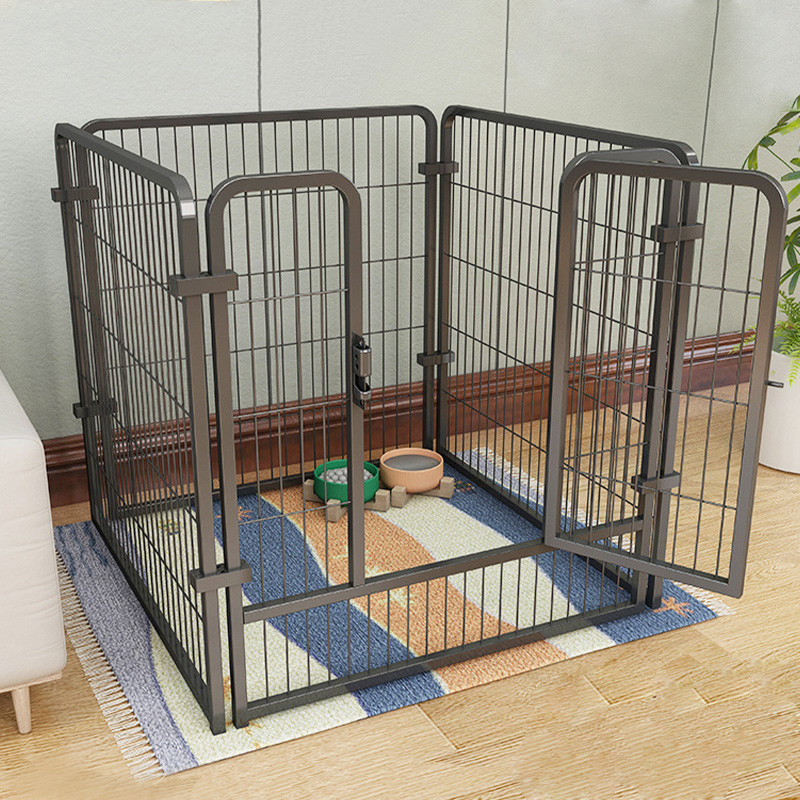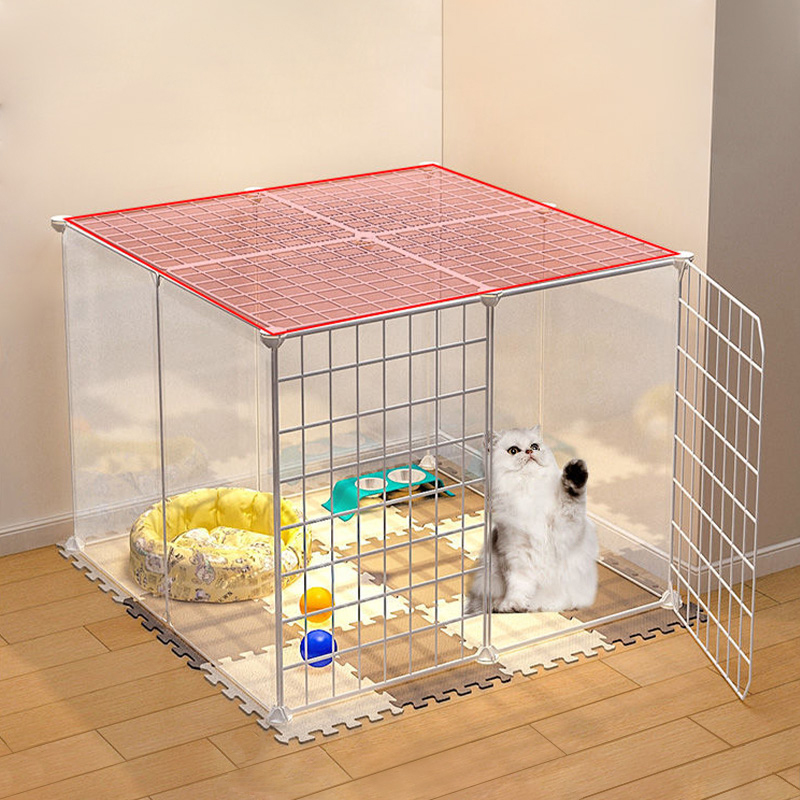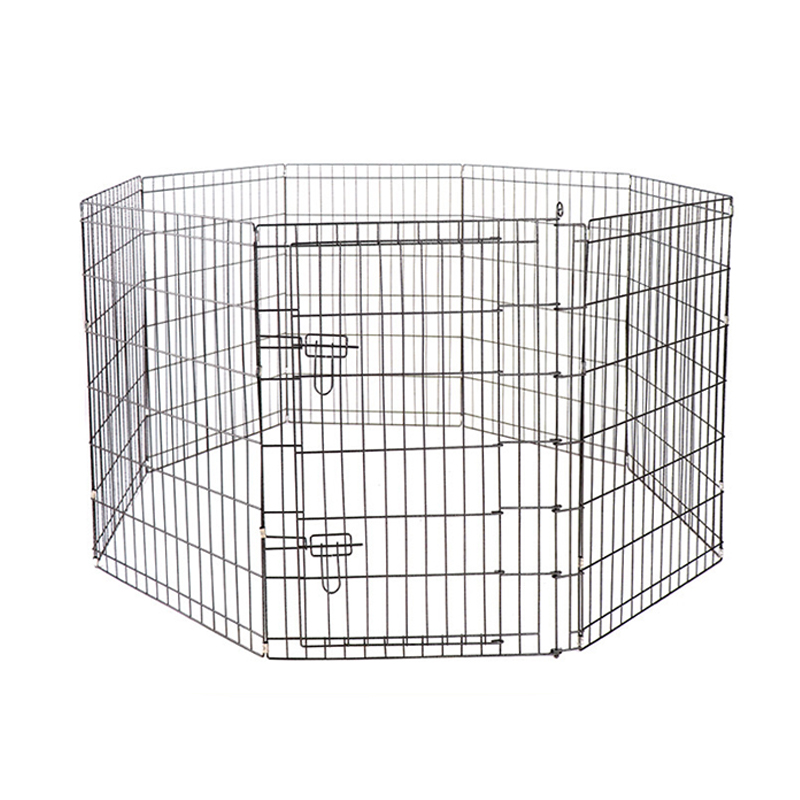



Selecting the right size for a pet tent is more important than many owners realize. A shelter that is too small makes the dog feel cramped, while one that is overly large may not provide the sense of security that dogs naturally seek in a den‑like space. To help your dog feel comfortable and safe, you need to measure your dog correctly and understand how different sizes affect the animal’s behavior. This guide walks you through the steps of finding a suitable size without relying on exaggerated claims.
Why Size Matters for Your Dog’s Well‑Being
Dogs have an instinct to curl up in enclosed spaces. In the wild, their ancestors rested in dens that were just large enough to fit their bodies. A properly sized tent mimics that feeling. If the tent is too small, the dog cannot stretch its legs or change sleeping positions, leading to restless nights. If it is too large, the dog may not feel protected, and the extra fabric can collapse in an unappealing way. Getting the size right helps the dog accept the tent as its own resting spot.
Measuring Your Dog Correctly
Before you look at any product, take out a soft measuring tape. Measure your dog’s length from the tip of the nose to the base of the tail. This is the most critical number. Next, measure the height from the floor to the top of the shoulder (withers). Finally, note the dog’s weight as a reference, though shape matters more than pounds. For a comfortable fit, the tent’s internal length should be longer than the dog’s length by a small margin – roughly the width of your hand. The tent’s height should exceed the dog's shoulder height so the dog can stand without touching the roof.
Size Guidelines for Different Dog Types
While every dog is unique, general categories can help you narrow choices.
- Small dogs (such as Chihuahuas, Yorkshire Terriers, or Toy Poodles) usually need a tent with an internal length between 50 and 70 centimeters. The height should be around 45 centimeters. These dogs like to burrow, so a slightly lower ceiling may actually feel cozy.
- Medium dogs (like Beagles, French Bulldogs, or Cocker Spaniels) fit well in tents of 70 to 90 centimeters in length. A height of 60 to 70 centimeters allows them to sit up and turn around.
- Large dogs (such as Labradors, Golden Retrievers, or Boxers) require more space. Look for tents with a length of 100 to 120 centimeters and a height of at least 80 centimeters. Some large breeds prefer to stretch out, so longer is better within reason.
Extra‑large breeds (Great Danes, Mastiffs) may need custom or oversized tents that are not common in regular stores. For these dogs, a tent intended for human toddlers might work, but always check the weight limit.
The “Stand and Turn” Test
A practical way to check if a tent is big enough is to watch your dog inside. The dog should be able to stand up without its head pushing against the fabric. It should also be able to turn around in a full circle without bumping into the walls. If the dog can lie on its side with legs extended, that is a good sign. If the dog has to keep its legs tucked, the tent is too small. Do this test at home before you travel, so you have time to exchange the product if needed.
Common Mistakes to Avoid
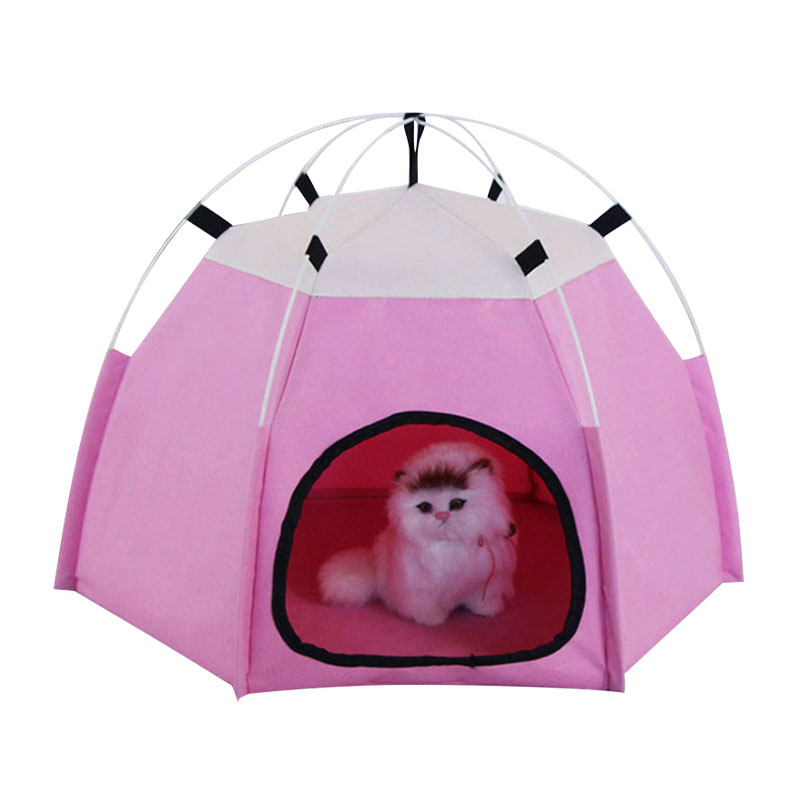
One frequent error is buying a tent that matches the dog’s current size without considering growth. Puppies will outgrow a small tent quickly. Another mistake is choosing a tent based on the dog’s weight alone. A heavy but short dog (like a Bulldog) needs length, not just floor strength. Some owners pick a tent that looks cute but has a low ceiling, forcing the dog to crawl. Also, avoid tents with a slanted roof that reduces usable height near the edges. A simple boxy or dome shape usually provides the most usable space.
Multi‑Dog Households
If you have two or more dogs that like to sleep together, add the lengths of the two largest dogs and then add a small extra amount. However, many dogs prefer separate tents. Providing each dog with its own tent can reduce arguments over space. In that case, each tent should follow the individual sizing rules.
Final Reminder on Fit
The goal is a tent where your dog enters willingly and stays calmly. Watch for signs of acceptance: circling before lying down, sighing, and closing its eyes. If your dog scratches at the door or tries to push the door from inside, reconsider the size or the shape. A well‑fitted pet tent becomes a favorite resting place, whether at home, in the car, or at a campsite.