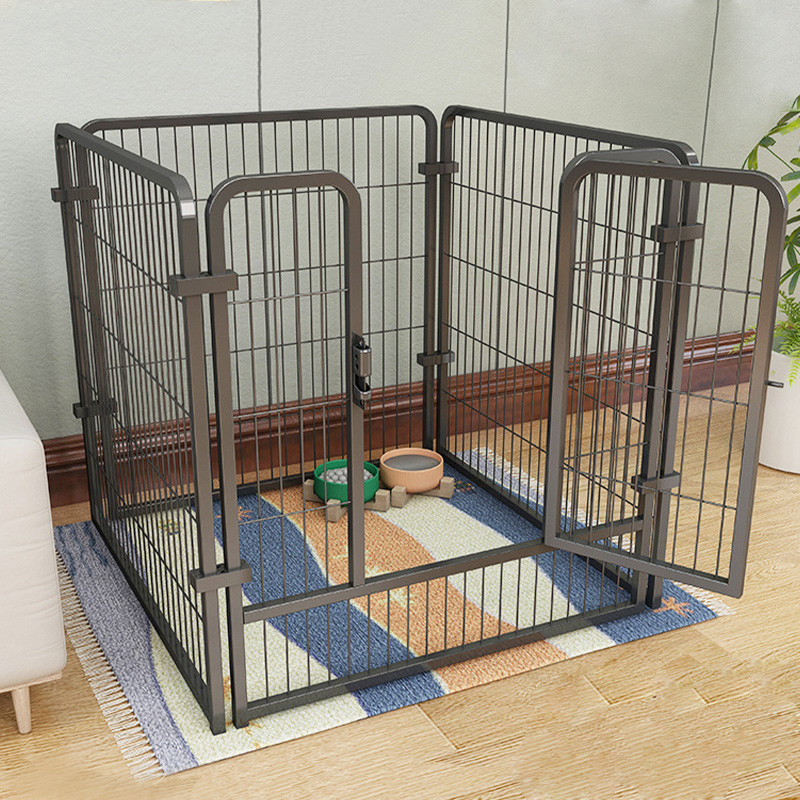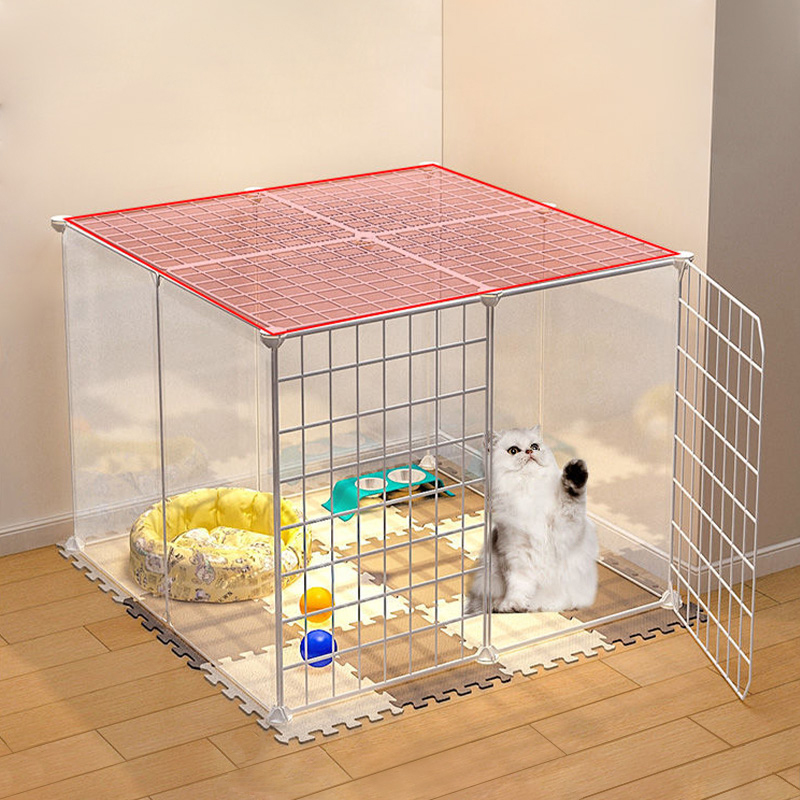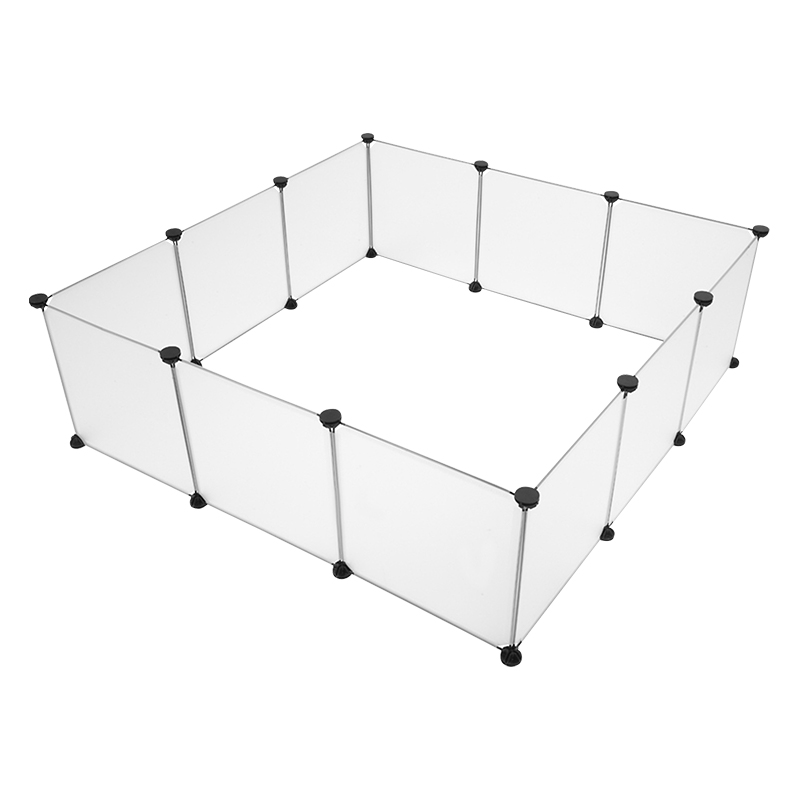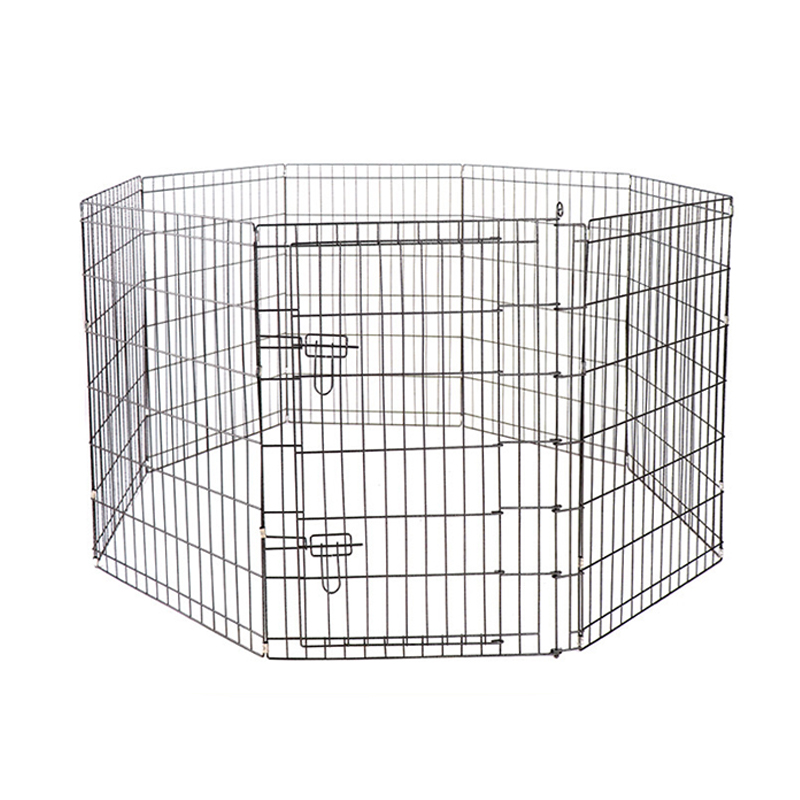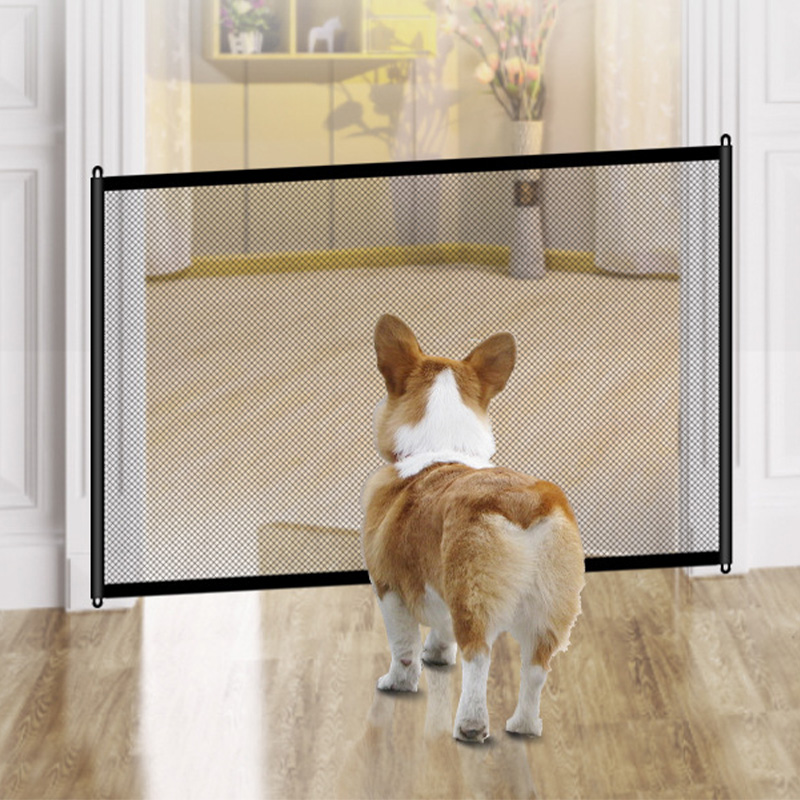



A well-planned Pet Fence does more than mark the edge of a yard. For pet product buyers, distributors, and project engineers, the current focus is shifting toward practical containment: preventing dogs from digging under barriers, climbing over panels, slipping through gaps, or reaching unsafe areas. Recent overseas discussions also compare physical fencing with wireless and GPS-based containment, making safety, installation, and daily usability important factors when developing pet fencing products.
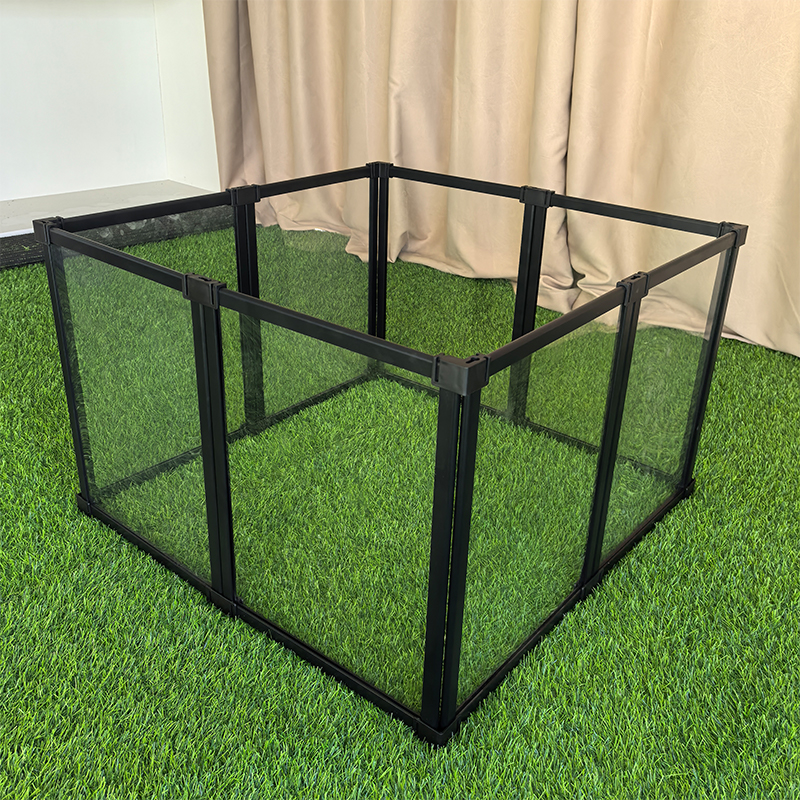
Matching Fence Structure to Pet Behavior
Different pets create different containment challenges. A small dog may require closer mesh spacing, while an active dog may test the fence by jumping or pushing against it. Digging is another common issue, especially when the fence meets loose soil.
For buyers developing products for different markets, fence height, opening size, bottom structure, and panel stability should therefore be considered together rather than treated as separate specifications.
Closing the Gaps That Create Escape Routes
Fence gaps deserve careful attention during product development. A pet may squeeze through an opening that looks insignificant from a human perspective, while a curious animal can also become caught in poorly designed spaces.
As a manufacturer, we recommend evaluating mesh or panel openings according to the intended pet size and application. Smooth edges, stable connections, and consistent spacing can make the finished enclosure easier to maintain and safer for routine outdoor use.
Building Around Digging and Climbing Habits
A fence can remain visually intact while still failing as a containment solution if the lower edge is poorly secured. Dogs that dig may create an escape route beneath the panel, while agile dogs can use certain fence structures as footholds.
Practical designs can address these behaviors through a more secure lower section, appropriate panel geometry, and a stable installation method. This approach is especially useful for outdoor dog runs, garden areas, and temporary pet zones.
Physical Fencing Versus Electronic Containment
Wireless, underground, and GPS-based systems have attracted attention because they can reduce installation work or accommodate unusual property layouts. However, they work differently from a physical barrier.
Electronic systems do not stop people or other animals from entering the area, while physical fencing creates a visible boundary. Recent buyer guides continue to emphasize that the choice depends on property layout, pet behavior, training, and the intended use of the space.
Designing for Outdoor Maintenance
For overseas buyers, long-term usability is closely connected with maintenance. Outdoor fencing may face rain, sunlight, soil contact, pet activity, and repeated gate movement. Product development should therefore consider material selection, surface treatment, connection points, and replacement of wear-prone components.
A practical design should also make routine cleaning and inspection straightforward, helping distributors offer a product that fits everyday pet-care scenarios rather than a purely decorative outdoor accessory.
OEM Pet Fence Solutions for Different Markets
As a manufacturer, we understand that distributors and brand owners may require different enclosure formats for residential yards, kennels, training areas, gardens, or portable pet zones.
OEM and ODM development can focus on dimensions, panel configuration, connection methods, packaging, and appearance according to the target market. This gives buyers more flexibility when building product lines for different pet sizes and outdoor applications without relying on a single standardized structure.
Making Pet Containment More Practical
Current discussions around pet fencing show that buyers are looking beyond simple boundary creation. They want products that address escape behavior, installation challenges, maintenance, and everyday pet safety in a practical way.
For this reason, a well-designed Pet Fence should combine suitable structure, reliable connections, appropriate spacing, and application-specific design to create a more usable outdoor containment solution for both pets and their owners.